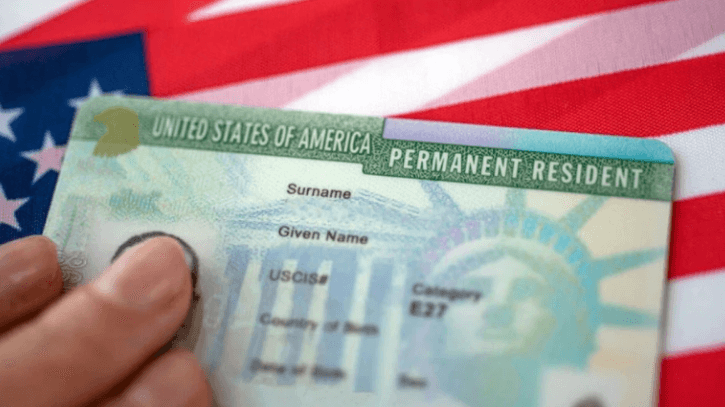
AC21 Portability: Changing Jobs After I-140 Approval

The American Competitiveness in the Twenty-First Century Act (AC21) provides critical protections for employment-based green card applicants who want to change employers during the lengthy immigration process. Understanding AC21 portability rules helps workers maintain their green card paths while pursuing career opportunities. This blog explains how portability works and what you need to know before changing jobs.

The American Competitiveness in the Twenty-First Century Act (AC21) provides critical protections for employment-based green card applicants who want to change employers during the lengthy immigration process. Understanding AC21 portability rules helps workers maintain their green card paths while pursuing career opportunities. This blog explains how portability works and what you need to know before changing jobs.

Quick Answer

AC21 portability allows you to change employers after your I-140 has been approved for 180 days and your I-485 has been pending for 180 days, without losing your green card priority date or pending adjustment application. The new job must be in the same or similar occupational classification as the original job. You do not need USCIS approval to change jobs, but you should file a supplement J to notify USCIS of the new employment. Portability protects your I-140 from revocation due to employer withdrawal and allows your adjustment application to continue based on the new employment. This flexibility is essential for workers facing years-long waits for visa availability.

Key Takeaways

  • AC21 Section 106(c) allows job changes after I-485 pending 180 days.

  • USCIS requires the new job be same or similar occupational classification.

  • The I-140 must have been approved for at least 180 days to be protected from revocation.

  • File Supplement J to Form I-485 to notify USCIS of the job change.

  • No USCIS approval is needed before starting the new job.

  • Portability applies to EB-1, EB-2, and EB-3 employment-based categories.

  • Your priority date remains valid even if the original employer withdraws the I-140.

Key Takeaways

  • AC21 Section 106(c) allows job changes after I-485 pending 180 days.

  • USCIS requires the new job be same or similar occupational classification.

  • The I-140 must have been approved for at least 180 days to be protected from revocation.

  • File Supplement J to Form I-485 to notify USCIS of the job change.

  • No USCIS approval is needed before starting the new job.

  • Portability applies to EB-1, EB-2, and EB-3 employment-based categories.

  • Your priority date remains valid even if the original employer withdraws the I-140.

Table of Content

What Are the Requirements for AC21 Portability?

Three main requirements must be met for AC21 job portability. First, your I-485 adjustment of status application must have been pending for at least 180 days. Second, your I-140 immigrant petition must have been approved for at least 180 days for revocation protection. Third, the new job must be in the same or similar occupational classification as the job listed on your original I-140.

The 180-day I-485 requirement is straightforward: count from the date USCIS received your I-485. Check your receipt notice for this date.

According to INA Section 204(j), the job offer in the new position must be in the same or similar occupational classification as the position for which the petition was filed.

What Does Same or Similar Occupation Mean?

Same or similar occupational classification means the new job shares core job duties, requirements, and responsibilities with the original position. Minor differences in title, salary, or specific duties are acceptable.

USCIS considers SOC codes, job duties, educational requirements, and skill levels when evaluating similarity. Jobs with identical SOC codes are clearly similar. Jobs with different SOC codes may still be similar if duties substantially overlap.

A software engineer moving to a senior software engineer position at a new company is clearly same or similar. A software engineer moving to a product manager role would raise questions about similarity.

How Does I-140 Protection Work?

AC21 Section 106(b) protects approved I-140 petitions from revocation when the I-140 has been approved for at least 180 days. After this 180-day period, the employer cannot effectively cancel your I-140 by withdrawing it.

If the original employer withdraws the I-140 after 180 days of approval, USCIS will not revoke the approval unless the withdrawal is based on fraud, misrepresentation, or invalidation of the labor certification.

This protection means your priority date survives employer withdrawal. You can use your original priority date even after changing jobs, which is critical for workers from backlogged countries facing years-long waits.

What If Your Employer Withdraws Before 180 Days?

If your employer withdraws the I-140 before it has been approved for 180 days, the I-140 will be revoked. Your pending I-485 may be denied without an underlying approved petition.

This risk makes timing important. If you anticipate job changes, try to ensure your I-140 reaches the 180-day approval mark before taking action that might prompt employer withdrawal.

Some employers withdraw I-140s when employees leave. Understand your employer's practices and plan accordingly.

How Do You Notify USCIS of a Job Change?

File Supplement J to Form I-485 to notify USCIS of your job change. Supplement J confirms your intent to accept the new position and provides information about the new employer and job.

Supplement J should include details about the new employer, the new job title and duties, salary information, and confirmation that the position is same or similar to your original I-140 position.

You can file Supplement J proactively after starting the new job or in response to USCIS inquiry. Filing proactively is recommended to ensure your file is current.

Is Supplement J Required?

Supplement J is technically optional but strongly recommended. USCIS may not know about your job change without notification, which could cause issues at interview or final adjudication.

Filing Supplement J creates a clear record that you are relying on AC21 portability. This documentation protects you if questions arise later about your employment.

At green card interviews, officers often ask about current employment. Having Supplement J on file shows you properly notified USCIS of changes.

Can You Change Jobs Multiple Times?

Yes. AC21 portability allows multiple job changes as long as each new position is same or similar to the original I-140 position. There is no limit on the number of job changes.

Each new job should be documented with Supplement J. Maintain records of all positions held during your I-485 pending period.

Frequent job changes may raise questions at interview about your employment stability or the bona fide nature of job offers. Be prepared to explain your career progression if asked.

What If You Become Unemployed?

Unemployment during pending I-485 creates risk. You must have a valid job offer at the time of I-485 adjudication. Brief unemployment gaps may be acceptable, but extended unemployment raises concerns.

If you lose a job, prioritize finding new same or similar employment. Document your job search efforts in case questions arise.

Some applicants file Supplement J with new employment as soon as possible after job changes to maintain clear employment records.

What Happens at the Green Card Interview?

At your green card interview, the officer will verify your current employment and confirm it is same or similar to your original I-140 position. Bring documentation of your current job.

The officer may compare your current job duties to the original I-140. Be prepared to explain how your current position relates to the original petition.

Officers understand that job titles and specific duties evolve over careers. Focus on demonstrating substantial similarity in the core nature of your work.

What Documents Should You Bring?

Bring your current employment verification letter with job title, duties, start date, and salary. Include any job descriptions or offer letters you received.

Bring a copy of your original I-140 approval notice and the job description from the original petition if available. This allows comparison between original and current positions.

Bring copies of any Supplement J filings you made. This shows you properly notified USCIS of job changes.

What Are Common Portability Mistakes?

Changing jobs before I-485 has been pending 180 days is risky. You do not have statutory protection until this threshold is met. Early job changes may jeopardize your application.

Taking positions that are not same or similar jeopardizes your adjustment. Significant career changes to unrelated fields during I-485 pending may result in denial.

Failing to document job changes leaves your file outdated. Officers reviewing outdated files may have questions that delay processing.

How Do You Evaluate Job Similarity?

Compare the core duties, educational requirements, and skill levels between positions. Focus on what you actually do day-to-day, not just titles.

Consider SOC codes as a reference point. Jobs with the same SOC code are clearly similar. Different SOC codes require more analysis of actual duties.

When in doubt, consult an immigration attorney before accepting positions that might not be same or similar.


What Are the Requirements for AC21 Portability?

Three main requirements must be met for AC21 job portability. First, your I-485 adjustment of status application must have been pending for at least 180 days. Second, your I-140 immigrant petition must have been approved for at least 180 days for revocation protection. Third, the new job must be in the same or similar occupational classification as the job listed on your original I-140.

The 180-day I-485 requirement is straightforward: count from the date USCIS received your I-485. Check your receipt notice for this date.

According to INA Section 204(j), the job offer in the new position must be in the same or similar occupational classification as the position for which the petition was filed.

What Does Same or Similar Occupation Mean?

Same or similar occupational classification means the new job shares core job duties, requirements, and responsibilities with the original position. Minor differences in title, salary, or specific duties are acceptable.

USCIS considers SOC codes, job duties, educational requirements, and skill levels when evaluating similarity. Jobs with identical SOC codes are clearly similar. Jobs with different SOC codes may still be similar if duties substantially overlap.

A software engineer moving to a senior software engineer position at a new company is clearly same or similar. A software engineer moving to a product manager role would raise questions about similarity.

How Does I-140 Protection Work?

AC21 Section 106(b) protects approved I-140 petitions from revocation when the I-140 has been approved for at least 180 days. After this 180-day period, the employer cannot effectively cancel your I-140 by withdrawing it.

If the original employer withdraws the I-140 after 180 days of approval, USCIS will not revoke the approval unless the withdrawal is based on fraud, misrepresentation, or invalidation of the labor certification.

This protection means your priority date survives employer withdrawal. You can use your original priority date even after changing jobs, which is critical for workers from backlogged countries facing years-long waits.

What If Your Employer Withdraws Before 180 Days?

If your employer withdraws the I-140 before it has been approved for 180 days, the I-140 will be revoked. Your pending I-485 may be denied without an underlying approved petition.

This risk makes timing important. If you anticipate job changes, try to ensure your I-140 reaches the 180-day approval mark before taking action that might prompt employer withdrawal.

Some employers withdraw I-140s when employees leave. Understand your employer's practices and plan accordingly.

How Do You Notify USCIS of a Job Change?

File Supplement J to Form I-485 to notify USCIS of your job change. Supplement J confirms your intent to accept the new position and provides information about the new employer and job.

Supplement J should include details about the new employer, the new job title and duties, salary information, and confirmation that the position is same or similar to your original I-140 position.

You can file Supplement J proactively after starting the new job or in response to USCIS inquiry. Filing proactively is recommended to ensure your file is current.

Is Supplement J Required?

Supplement J is technically optional but strongly recommended. USCIS may not know about your job change without notification, which could cause issues at interview or final adjudication.

Filing Supplement J creates a clear record that you are relying on AC21 portability. This documentation protects you if questions arise later about your employment.

At green card interviews, officers often ask about current employment. Having Supplement J on file shows you properly notified USCIS of changes.

Can You Change Jobs Multiple Times?

Yes. AC21 portability allows multiple job changes as long as each new position is same or similar to the original I-140 position. There is no limit on the number of job changes.

Each new job should be documented with Supplement J. Maintain records of all positions held during your I-485 pending period.

Frequent job changes may raise questions at interview about your employment stability or the bona fide nature of job offers. Be prepared to explain your career progression if asked.

What If You Become Unemployed?

Unemployment during pending I-485 creates risk. You must have a valid job offer at the time of I-485 adjudication. Brief unemployment gaps may be acceptable, but extended unemployment raises concerns.

If you lose a job, prioritize finding new same or similar employment. Document your job search efforts in case questions arise.

Some applicants file Supplement J with new employment as soon as possible after job changes to maintain clear employment records.

What Happens at the Green Card Interview?

At your green card interview, the officer will verify your current employment and confirm it is same or similar to your original I-140 position. Bring documentation of your current job.

The officer may compare your current job duties to the original I-140. Be prepared to explain how your current position relates to the original petition.

Officers understand that job titles and specific duties evolve over careers. Focus on demonstrating substantial similarity in the core nature of your work.

What Documents Should You Bring?

Bring your current employment verification letter with job title, duties, start date, and salary. Include any job descriptions or offer letters you received.

Bring a copy of your original I-140 approval notice and the job description from the original petition if available. This allows comparison between original and current positions.

Bring copies of any Supplement J filings you made. This shows you properly notified USCIS of job changes.

What Are Common Portability Mistakes?

Changing jobs before I-485 has been pending 180 days is risky. You do not have statutory protection until this threshold is met. Early job changes may jeopardize your application.

Taking positions that are not same or similar jeopardizes your adjustment. Significant career changes to unrelated fields during I-485 pending may result in denial.

Failing to document job changes leaves your file outdated. Officers reviewing outdated files may have questions that delay processing.

How Do You Evaluate Job Similarity?

Compare the core duties, educational requirements, and skill levels between positions. Focus on what you actually do day-to-day, not just titles.

Consider SOC codes as a reference point. Jobs with the same SOC code are clearly similar. Different SOC codes require more analysis of actual duties.

When in doubt, consult an immigration attorney before accepting positions that might not be same or similar.

Frequently Asked Questions

Can I use portability if my I-140 is still pending?

Portability under INA 204(j) technically requires an approved I-140. However, if your I-485 has been pending for 180 days, some protection exists. The I-140 revocation protection specifically requires 180 days of approval.

Can I use portability if my I-140 is still pending?

Portability under INA 204(j) technically requires an approved I-140. However, if your I-485 has been pending for 180 days, some protection exists. The I-140 revocation protection specifically requires 180 days of approval.

Does portability apply to EB-1A self-petitions?

EB-1A self-petitioners have unique circumstances since they do not have an employer sponsor. Portability applies differently; the key question is whether you continue to work in your area of extraordinary ability.

Does portability apply to EB-1A self-petitions?

EB-1A self-petitioners have unique circumstances since they do not have an employer sponsor. Portability applies differently; the key question is whether you continue to work in your area of extraordinary ability.

Can I start a business instead of taking a new job?

Self-employment is complex under portability. You would need to demonstrate a valid job offer to yourself in a same or similar position. Structure and documentation matter significantly.

Can I start a business instead of taking a new job?

Self-employment is complex under portability. You would need to demonstrate a valid job offer to yourself in a same or similar position. Structure and documentation matter significantly.

What if my new employer wants to file a new I-140?

A new employer can file a new I-140 for you while you use portability. The new I-140 does not affect your existing priority date. If approved, it provides additional security.

What if my new employer wants to file a new I-140?

A new employer can file a new I-140 for you while you use portability. The new I-140 does not affect your existing priority date. If approved, it provides additional security.

Share post