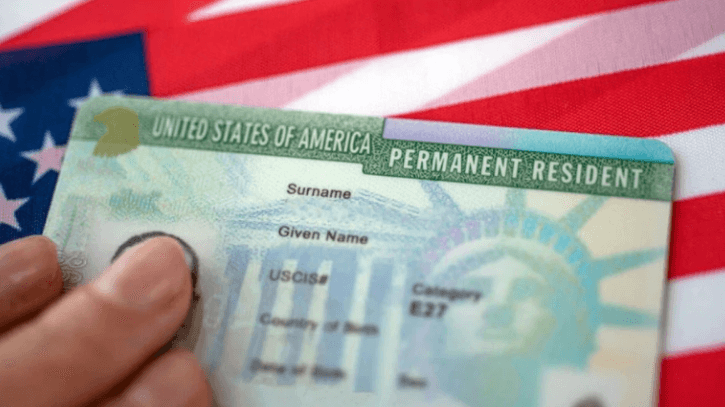
What Is the Affidavit of Support?
Form I-864 is a legally binding contract between the sponsor and the U.S. government. The sponsor promises to provide financial support to the immigrant at specified levels.
This contract is enforceable in court. Government agencies that provide public benefits to sponsored immigrants can sue sponsors for reimbursement. Immigrants can also sue sponsors who fail to provide required support.
The affidavit creates a support obligation, not a gift. Sponsors agree to maintain immigrants above poverty guidelines regardless of the relationship's future status.
Who Must File Form I-864?
The petitioner (the person who filed the immigrant visa petition) must file Form I-864 for most family-based cases. This includes U.S. citizens petitioning for spouses, parents, children, and siblings, and permanent residents petitioning for spouses and children.
Employment-based petitioners are not required to file Form I-864 unless a relative filed the petition or owns 5% or more of the sponsoring employer.
Joint sponsors may file Form I-864 to supplement the petitioner's income, but the petitioner must still file even if their income is insufficient.
What Are the Income Requirements?
Sponsors must demonstrate household income at or above 125% of the Federal Poverty Guidelines for their household size. Active duty military sponsors need only 100% of poverty guidelines.
2024 Poverty Guidelines (125% threshold):
Household of 2: $24,650
Household of 3: $31,075
Household of 4: $37,500
Household of 5: $43,925
Each additional person adds approximately $6,425 to the requirement.
How Do You Calculate Household Size?
Household size includes: the sponsor, the sponsor's spouse and dependents, any other immigrants the sponsor has previously sponsored who have not naturalized, and the current immigrant(s) being sponsored.
Count all individuals you are legally obligated to support, not just those living in your home.
If sponsoring multiple immigrants (such as a spouse and stepchildren), include all of them in your household size calculation.
What Documents Prove Income?
Tax returns from the most recent tax year are the primary income evidence. Submit complete returns including all schedules and W-2s.
If tax returns are unavailable or do not reflect current income, submit alternative evidence: employment verification letters, pay stubs from the past six months, or explanation of changed circumstances.
Current employment verification should include job title, salary, employment dates, and whether employment is permanent. Letters should be on company letterhead and signed by HR or a supervisor.
What If Your Tax Return Shows Lower Income?
If your current income exceeds your most recent tax return, provide evidence of the increase: recent pay stubs, new employment letter, or documentation of raises or promotions.
Self-employed sponsors should provide business records, profit/loss statements, and contracts demonstrating current income levels.
Explain income discrepancies in a cover letter. USCIS will consider current income even if tax returns show lower historical income.
Can Assets Substitute for Income?
Yes. Assets can supplement or replace income if they equal at least three times the difference between your income and the required threshold (five times for siblings of U.S. citizens).
Qualifying assets include: bank accounts, stocks and bonds, real estate equity (net of mortgages), retirement accounts (with withdrawal documentation), and other liquid assets.
Non-liquid assets like real estate require appraisals and documentation of equity calculations. USCIS may discount asset values based on liquidation feasibility.
Asset Calculation Example
If the income requirement is $24,650 and your income is $18,000, the shortfall is $6,650.
For most family relationships, multiply the shortfall by 3: $6,650 × 3 = $19,950 in assets required.
For sibling petitions, multiply by 5: $6,650 × 5 = $33,250 in assets required.
What Is a Joint Sponsor?
A joint sponsor is someone other than the petitioner who agrees to assume full financial responsibility for the immigrant. Joint sponsors must meet all the same requirements as petitioners.
Joint sponsors must be U.S. citizens or permanent residents, at least 18 years old, and domiciled in the United States. They file a separate Form I-864 assuming identical obligations.
Joint sponsors can be friends, relatives, or anyone willing to accept the legal responsibility. They need not have any relationship to the immigrant.
When Are Joint Sponsors Needed?
Joint sponsors are needed when the petitioner's income and assets are insufficient to meet the 125% threshold.
The petitioner must still file Form I-864 even when using a joint sponsor. Both the petitioner and joint sponsor assume legal obligations, though the petitioner's insufficient income does not disqualify the case.
Household members can also contribute income using Form I-864A, Contract Between Sponsor and Household Member, but this does not replace the petitioner's filing obligation.
How Long Do Sponsor Obligations Last?
Sponsor obligations continue until one of four events occurs:
Naturalization: The immigrant becomes a U.S. citizen, ending the sponsor's obligations.
40 qualifying quarters of work: The immigrant (or combination of immigrant and spouse's work during marriage) accumulates 40 quarters of covered employment under Social Security (approximately 10 years).
Permanent departure: The immigrant permanently leaves the United States and abandons permanent residence.
Death: Either the sponsor or the immigrant dies.
Does Divorce End Sponsor Obligations?
No. Divorce does not terminate Form I-864 obligations. The sponsor remains legally responsible for the immigrant even after the marriage ends.
Courts have consistently enforced sponsor obligations against divorced petitioners. Sponsors have been ordered to pay support or reimburse benefits even years after divorce.
Consider this carefully before filing Form I-864. The commitment survives marital dissolution and can result in significant financial liability.
What Can Happen If You Fail to Support?
Government agencies that provide means-tested public benefits to sponsored immigrants can sue sponsors for reimbursement. Federal, state, and local agencies can seek recovery.
Sponsored immigrants can sue sponsors directly for failing to provide support at required levels. Courts have awarded immigrants the difference between poverty guidelines and actual support provided.
Sponsors may also face immigration consequences if their failure to support affects future petitions or their own immigration status.
Which Benefits Trigger Reimbursement?
Means-tested public benefits subject to sponsor reimbursement include: SNAP (food stamps), Medicaid (in most circumstances), SSI, TANF, state cash assistance, and similar programs.
Not all benefits trigger reimbursement obligations. Emergency Medicaid, school lunches, and certain other programs may be excluded.
Sponsored immigrants should understand that using certain benefits may create financial obligations for their sponsors.
Form I-864 for Different Petitioner Types
Citizen petitioners for immediate relatives: Standard I-864 required; 125% poverty guidelines apply.
Citizen petitioners for siblings: I-864 required; asset calculations use 5x multiplier instead of 3x.
Permanent resident petitioners: I-864 required; same requirements as citizen petitioners.
Employment-based with relative involvement: I-864 required if relative filed petition or owns 5%+ of employer.
Multiple Beneficiaries
When petitioning for multiple family members (such as spouse and stepchildren), include all beneficiaries in household size calculations.
Each beneficiary age 18 or older files Form I-864A, Contract Between Sponsor and Household Member, agreeing to household income pooling.
Joint sponsors can cover multiple beneficiaries if their income supports the entire group.