Buying Your First Home as an Immigrant in the U.S.

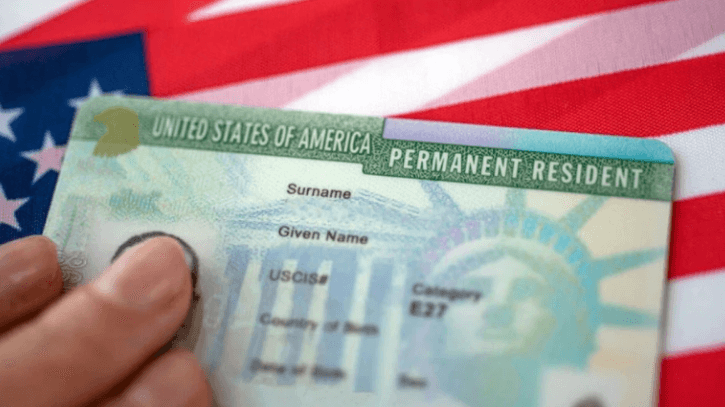
Immigrants on work visas or with green cards can legally buy homes in the United States and qualify for mortgages. Approval depends on immigration status stability, income history, credit profile, and down payment. Green card holders qualify most easily, while work visa holders face additional scrutiny but can still succeed with proper planning.

Quick Answer

Yes. Immigrants on work visas such as H-1B, L-1, or O-1, as well as green card holders, can buy homes in the U.S. and obtain mortgages. Most lenders require valid immigration status, at least two years of work history or employment authorization, a credit score of 620 or higher, and a down payment of 3–20%. Mortgage approval depends more on visa stability than citizenship.

Key Takeaways

  • Immigrants on work visas and green cards can buy homes in the U.S.

  • Green card holders qualify most easily for mortgages

  • Credit score of 620+ is typically required, 740+ gets best rates

  • Down payments usually range from 3–20%

  • Visa expiration risk affects lender approval decisions

  • Buying on H-1B carries more risk than buying as a permanent resident

Key Takeaways

  • Immigrants on work visas and green cards can buy homes in the U.S.

  • Green card holders qualify most easily for mortgages

  • Credit score of 620+ is typically required, 740+ gets best rates

  • Down payments usually range from 3–20%

  • Visa expiration risk affects lender approval decisions

  • Buying on H-1B carries more risk than buying as a permanent resident

Table of Content

Can You Buy a Home on a Work Visa?

Yes. U.S. law allows noncitizens on valid work visas to purchase real estate. Property ownership is not restricted by visa type.

Mortgage approval depends on lender confidence that you can remain in the U.S. long enough to repay the loan. According to guidance from the Consumer Financial Protection Bureau, lenders assess income stability, credit history, and legal ability to work when approving mortgages for noncitizens.

Green card holders are treated similarly to U.S. citizens. Work visa holders must demonstrate ongoing employment and valid status.

What Mortgage Lenders Require from Immigrants

Most lenders evaluate immigrant applicants using standard underwriting criteria, with additional scrutiny of immigration status.

Typical requirements include:

  • Valid immigration status with unexpired visa or green card

  • At least two years of work history or employment authorization

  • Credit score of 620 or higher

  • Down payment between 3–20% of the home price

  • Proof of income through pay stubs and tax returns

Limited U.S. credit history is the most common obstacle for recent immigrants. The Federal Housing Administration confirms that non-citizens with lawful status may qualify for FHA-insured mortgages, provided they meet standard credit and income requirements.

How Much Home Can You Afford?

A widely accepted guideline is that your home price should be three to four times your annual income. Monthly housing costs should generally stay below 28–30% of gross monthly income.

This framework aligns with affordability guidance published by the U.S. Department of Housing and Urban Development.

Example:
If you earn $100,000 annually, a home priced between $300,000 and $400,000 is typically considered affordable, with monthly housing costs under $2,800.

Down Payment Requirements for Immigrants

Most mortgage programs require a down payment between 3% and 20%.

  • First-time buyers may qualify for 3–5% down programs

  • A 20% down payment avoids private mortgage insurance (PMI)

  • Closing costs usually add $5,000–$10,000

According to the Federal Housing Finance Agency, higher down payments can reduce lender risk and improve approval chances, particularly for borrowers with non-permanent immigration status.

Why Visa Type Matters for Mortgage Approval

Lenders assess how stable and long-term your immigration status appears.

  • Green card holders qualify most easily due to permanent status

  • H-1B, L-1, and O-1 holders must show sufficient time remaining on status

  • F-1 OPT holders often struggle due to short authorization periods

  • E-2 holders must demonstrate ongoing business viability

This risk-based approach reflects standard underwriting practices described by major U.S. mortgage regulators.

Should You Buy a Home on an H-1B Visa?

Buying a home on H-1B involves real risk. If employment ends, federal immigration rules typically allow a 60-day grace period to find new work or depart the U.S.

If you are forced to leave, you still own the property and must sell, rent it out, or continue paying the mortgage remotely. Many H-1B holders wait until they have an approved I-140 or are close to permanent residence before buying.

The Mortgage Process for Immigrants

The home-buying process typically follows these steps:

  1. Mortgage pre-approval

  2. Home search within approved budget

  3. Offer, inspection, and appraisal

  4. Final underwriting approval

  5. Closing and ownership transfer

The Consumer Financial Protection Bureau recommends working with lenders experienced in noncitizen mortgages to avoid documentation delays.

Renting vs Buying as an Immigrant

Renting provides flexibility, lower upfront costs, and easier relocation, which can be valuable for temporary visa holders.

Buying makes more sense when immigration status is stable, long-term plans are clear, and sufficient savings are available. According to housing guidance from the U.S. Department of Housing and Urban Development, there is no universal rule. The decision depends on financial readiness and stability.


Can You Buy a Home on a Work Visa?

Yes. U.S. law allows noncitizens on valid work visas to purchase real estate. Property ownership is not restricted by visa type.

Mortgage approval depends on lender confidence that you can remain in the U.S. long enough to repay the loan. According to guidance from the Consumer Financial Protection Bureau, lenders assess income stability, credit history, and legal ability to work when approving mortgages for noncitizens.

Green card holders are treated similarly to U.S. citizens. Work visa holders must demonstrate ongoing employment and valid status.

What Mortgage Lenders Require from Immigrants

Most lenders evaluate immigrant applicants using standard underwriting criteria, with additional scrutiny of immigration status.

Typical requirements include:

  • Valid immigration status with unexpired visa or green card

  • At least two years of work history or employment authorization

  • Credit score of 620 or higher

  • Down payment between 3–20% of the home price

  • Proof of income through pay stubs and tax returns

Limited U.S. credit history is the most common obstacle for recent immigrants. The Federal Housing Administration confirms that non-citizens with lawful status may qualify for FHA-insured mortgages, provided they meet standard credit and income requirements.

How Much Home Can You Afford?

A widely accepted guideline is that your home price should be three to four times your annual income. Monthly housing costs should generally stay below 28–30% of gross monthly income.

This framework aligns with affordability guidance published by the U.S. Department of Housing and Urban Development.

Example:
If you earn $100,000 annually, a home priced between $300,000 and $400,000 is typically considered affordable, with monthly housing costs under $2,800.

Down Payment Requirements for Immigrants

Most mortgage programs require a down payment between 3% and 20%.

  • First-time buyers may qualify for 3–5% down programs

  • A 20% down payment avoids private mortgage insurance (PMI)

  • Closing costs usually add $5,000–$10,000

According to the Federal Housing Finance Agency, higher down payments can reduce lender risk and improve approval chances, particularly for borrowers with non-permanent immigration status.

Why Visa Type Matters for Mortgage Approval

Lenders assess how stable and long-term your immigration status appears.

  • Green card holders qualify most easily due to permanent status

  • H-1B, L-1, and O-1 holders must show sufficient time remaining on status

  • F-1 OPT holders often struggle due to short authorization periods

  • E-2 holders must demonstrate ongoing business viability

This risk-based approach reflects standard underwriting practices described by major U.S. mortgage regulators.

Should You Buy a Home on an H-1B Visa?

Buying a home on H-1B involves real risk. If employment ends, federal immigration rules typically allow a 60-day grace period to find new work or depart the U.S.

If you are forced to leave, you still own the property and must sell, rent it out, or continue paying the mortgage remotely. Many H-1B holders wait until they have an approved I-140 or are close to permanent residence before buying.

The Mortgage Process for Immigrants

The home-buying process typically follows these steps:

  1. Mortgage pre-approval

  2. Home search within approved budget

  3. Offer, inspection, and appraisal

  4. Final underwriting approval

  5. Closing and ownership transfer

The Consumer Financial Protection Bureau recommends working with lenders experienced in noncitizen mortgages to avoid documentation delays.

Renting vs Buying as an Immigrant

Renting provides flexibility, lower upfront costs, and easier relocation, which can be valuable for temporary visa holders.

Buying makes more sense when immigration status is stable, long-term plans are clear, and sufficient savings are available. According to housing guidance from the U.S. Department of Housing and Urban Development, there is no universal rule. The decision depends on financial readiness and stability.

Frequently Asked Questions

Can I get a mortgage on an H-1B visa?

Yes. Lenders typically require valid H-1B status, stable employment, sufficient time remaining on the visa, good credit, and a down payment.

Can I get a mortgage on an H-1B visa?

Yes. Lenders typically require valid H-1B status, stable employment, sufficient time remaining on the visa, good credit, and a down payment.

What credit score do I need to buy a home?

Most lenders require at least a 620 credit score. Scores above 740 usually qualify for the best rates.

What credit score do I need to buy a home?

Most lenders require at least a 620 credit score. Scores above 740 usually qualify for the best rates.

How much down payment is required?

Down payments usually range from 3–20%. A 20% down payment avoids PMI and improves approval odds.

How much down payment is required?

Down payments usually range from 3–20%. A 20% down payment avoids PMI and improves approval odds.

What happens if I leave the U.S. after buying a home?

You still own the property and must sell it, rent it out, or continue mortgage payments from abroad.

What happens if I leave the U.S. after buying a home?

You still own the property and must sell it, rent it out, or continue mortgage payments from abroad.

Should I wait for a green card before buying?

Waiting reduces risk and simplifies approval. Some stable H-1B holders still buy based on personal circumstances.

Should I wait for a green card before buying?

Waiting reduces risk and simplifies approval. Some stable H-1B holders still buy based on personal circumstances.

Share post

Explore Topics

Icon

0%

Explore Topics

Icon

0%