What Is Cancellation of Removal?
Cancellation of removal is a discretionary form of relief that allows immigration judges to stop deportation proceedings and grant lawful permanent resident status to qualifying individuals.
This relief is only available in removal proceedings. You cannot proactively apply for cancellation of removal with USCIS; it must be raised as a defense in immigration court.
Immigration judges exercise discretion in granting cancellation. Meeting statutory requirements makes you eligible but does not guarantee approval.
What Are the Two Types of Cancellation?
LPR cancellation of removal: For lawful permanent residents facing removal. Governed by INA 240A(a).
Non-LPR cancellation of removal: For individuals who are not permanent residents. Governed by INA 240A(b).
Each type has distinct requirements, evidentiary standards, and consequences. The applicable type depends on your immigration status when proceedings began.
What Are LPR Cancellation Requirements?
Permanent residents seeking cancellation must meet three requirements:
Seven years continuous residence: You must have continuously resided in the United States for at least 7 years after being admitted in any status.
Five years as permanent resident: You must have been a lawful permanent resident for at least 5 years.
No aggravated felony conviction: You must not have been convicted of any aggravated felony under immigration law definitions.
What Counts as Continuous Residence?
Continuous residence means maintaining residence in the United States without significant interruption.
Brief absences generally do not break continuous residence. Longer absences (6+ months) may raise questions and require evidence that you did not abandon U.S. residence.
The seven-year clock stops when you receive a Notice to Appear initiating removal proceedings or commit certain criminal offenses. This is called the "stop-time rule."
What Are Non-LPR Cancellation Requirements?
Non-permanent residents must meet more stringent requirements:
Ten years continuous physical presence: You must have been physically present in the United States for at least 10 years immediately before applying.
Good moral character: You must demonstrate good moral character during the 10-year period and continuing through the decision.
No disqualifying convictions: Certain criminal convictions bar eligibility, including specified crimes under INA sections.
Exceptional and extremely unusual hardship: You must prove your removal would cause exceptional and extremely unusual hardship to qualifying U.S. citizen or lawful permanent resident relatives.
Who Are Qualifying Relatives?
Qualifying relatives for hardship analysis include your U.S. citizen or lawful permanent resident:
Spouse
Parent
Child (under 21 and unmarried)
Hardship to yourself or to other family members (siblings, adult children, extended family) does not qualify, though such factors may be considered in discretionary analysis.
What Is "Exceptional and Extremely Unusual Hardship"?
This standard requires hardship substantially beyond what would ordinarily result from removal.
Normal consequences of family separation, economic loss, or disruption are insufficient. You must demonstrate hardship that is exceptional and extremely unusual compared to typical cases.
Factors considered include: qualifying relative's age and health, medical conditions requiring specialized U.S. treatment, educational disruption, country conditions in your home country, and cumulative hardship to the family.
What Evidence Demonstrates Hardship?
Strong hardship cases include:
Medical evidence: Documentation of serious medical conditions affecting qualifying relatives, treatment availability in home country, and impact of your removal on care.
Educational evidence: Special education needs of children, language barriers affecting academic success abroad, and disruption to established educational progress.
Country condition evidence: Documented dangers, lack of services, or conditions affecting qualifying relatives if forced to relocate.
Financial evidence: Financial dependence of qualifying relatives, inability of remaining spouse to support family alone.
What Disqualifies You from Cancellation?
Certain criminal convictions and conduct disqualify cancellation eligibility:
Aggravated felonies: Any aggravated felony conviction disqualifies both LPR and non-LPR cancellation applicants.
Specific criminal grounds: Convictions under INA 212(a)(2), 237(a)(2), or 237(a)(3) generally disqualify non-LPR cancellation.
Persecution of others: Participation in persecution of others.
Prior cancellation recipients: Individuals who previously received cancellation of removal or similar relief.
Crew members and smuggled persons: Certain categories of entry.
What Is the Stop-Time Rule?
The stop-time rule affects continuous presence and residence calculations.
For LPR cancellation: The 7-year continuous residence clock stops when removal proceedings begin (service of Notice to Appear) or when you commit certain crimes.
For non-LPR cancellation: The 10-year physical presence clock stops at service of the Notice to Appear or commission of disqualifying crimes.
The stop-time rule can significantly affect eligibility for those receiving NTAs shortly before reaching the time threshold.
How Do You Apply for Cancellation of Removal?
Cancellation applications are filed in immigration court during removal proceedings:
Form EOIR-42A: Application for cancellation of removal for lawful permanent residents.
Form EOIR-42B: Application for cancellation of removal for certain nonpermanent residents.
File the application with the immigration court handling your case. The judge sets deadlines for application submission and evidence.
What Is the Process in Immigration Court?
Master calendar hearing: Initial hearing where you indicate intent to seek cancellation. The judge sets application deadlines.
Individual hearing: Merits hearing where you present evidence, testify, and call witnesses supporting your application.
Decision: The immigration judge issues a decision granting or denying cancellation, typically with written findings of fact and conclusions of law.
What Is the Annual Cap on Non-LPR Cancellation?
Congress limits non-LPR cancellation grants to 4,000 per fiscal year. When the cap is reached, additional approvals are deferred to future years.
Cases exceeding the cap may be granted conditionally, with final approval delayed until visa numbers become available.
This cap creates backlogs. Even applicants with strong cases may wait years for final approval after favorable judicial decisions.
Does the Cap Affect LPR Cancellation?
No. LPR cancellation grants are not subject to numerical caps. Approved LPR cancellation cases proceed to completion without cap-related delays.
This is a significant advantage for permanent residents over non-permanent residents with otherwise similar cases.
What Happens If Cancellation Is Granted?
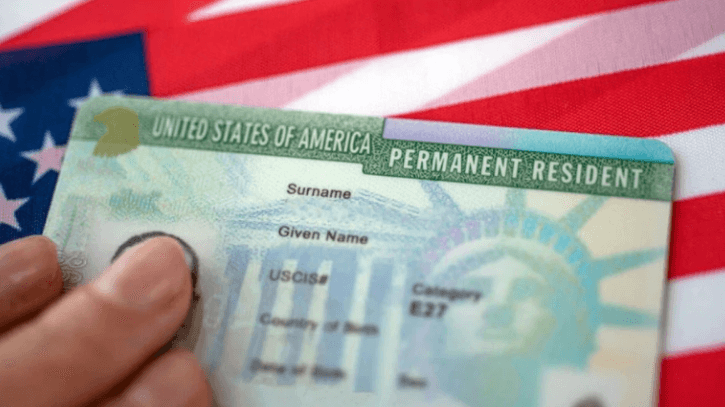
Successful applicants receive lawful permanent resident status. Removal proceedings are terminated.
For LPR cancellation, the individual maintains permanent resident status. No new green card is issued automatically but can be replaced through normal I-90 procedures.
For non-LPR cancellation, the applicant becomes a new permanent resident. A new green card is issued after the decision becomes final.
Can Cancellation Be Revoked?
Cancellation decisions can be appealed by either party. The Department of Homeland Security may appeal favorable decisions to the Board of Immigration Appeals.
If the government's appeal succeeds, the cancellation may be reversed, potentially leading to removal.
Once cancellation is granted and all appeals exhausted, the permanent resident status is generally stable unless new grounds arise.
Special Cancellation Provisions
VAWA cancellation: Available to battered spouses and children of U.S. citizens or permanent residents. Requires 3 years continuous presence (rather than 10), good moral character, and extreme hardship.
NACARA cancellation: Special provisions for certain Nicaraguan, Cuban, Salvadoran, Guatemalan, and Eastern European nationals.
Cuban Adjustment Act: Different adjustment mechanism for qualifying Cubans, not technically cancellation but similar in effect.
What Is VAWA Cancellation?
The Violence Against Women Act (VAWA) provides modified cancellation for abused spouses and children. Requirements include:
Three years continuous physical presence (reduced from 10)
Good moral character
Extreme hardship (a lower standard than exceptional and extremely unusual hardship)
Battery or extreme cruelty by U.S. citizen or LPR spouse/parent
VAWA cancellation provides relief to vulnerable individuals who might otherwise be trapped in abusive relationships due to immigration dependence.