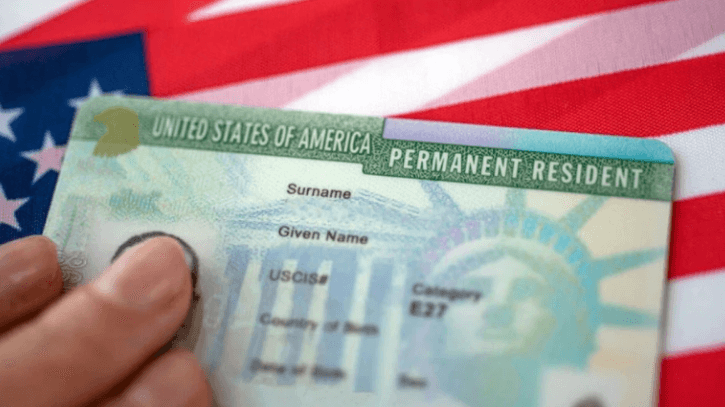
The EB-1C green card is for multinational managers and executives transferring to a U.S. office of the same employer. Applicants must have worked for the foreign company in a managerial or executive capacity for at least 1 of the past 3 years. The U.S. employer files Form I-140 with a $715 filing fee plus $600 Asylum Program Fee. Premium processing costs $2,805 ($2,965 after March 1, 2026) for a 15 business day decision. The U.S. entity must have been doing business for at least 1 year.
KEY TAKEAWAYS
The EB-1C requires employer sponsorship - the U.S. and foreign companies must have a qualifying relationship (parent, subsidiary, affiliate, or branch).
The applicant must have worked for the foreign entity in a managerial or executive role for at least 1 continuous year within the past 3 years.
The U.S. position must be in a managerial or executive capacity.
The I-140 filing fee is $715 plus $600 Asylum Program Fee; premium processing adds $2,805 ($2,965 after March 1, 2026).
The U.S. entity must have been doing business for at least 1 year at the time of I-140 filing.
Many L-1A visa holders transition to EB-1C green cards as a natural progression.
EB-1C is part of the EB-1 preference category with generally current priority dates for most countries.
Table of Content
What Is the EB-1C Green Card?
The EB-1C is a first-preference employment-based green card for multinational managers and executives. It is authorized under Section 203(b)(1)(C) of the Immigration and Nationality Act and governed by 8 CFR 204.5(j).
The EB-1C is the immigrant (permanent) counterpart to the L-1A nonimmigrant visa. Both require an intracompany transfer in a managerial or executive capacity, but the EB-1C leads to permanent residency while the L-1A is temporary (maximum 7 years).
Unlike the EB-1A and EB-2 NIW, the EB-1C does not allow self-petition. The U.S. employer must file Form I-140 on the manager's behalf.
The U.S. and foreign entities must have a qualifying relationship: parent-subsidiary, branch office, affiliate, or joint venture partner. Both entities must be doing business (active trade or services, not merely maintaining an office).
Employment History
The applicant must have been employed by the foreign entity in a managerial or executive capacity for at least 1 continuous year within the 3 years immediately preceding the filing of Form I-140 or the applicant's admission to the U.S. to work for the same employer.
Managerial or Executive Capacity
The U.S. position must be in a managerial or executive capacity as defined by the INA:
Manager: Manages an organization, department, subdivision, or function; supervises and controls the work of other supervisory, professional, or managerial employees (or manages an essential function); has authority to hire and fire (or recommend personnel actions); and exercises discretion over day-to-day operations.
Executive: Directs the management of the organization or a major component; establishes goals and policies; exercises wide latitude in discretionary decision-making; and receives only general supervision from higher-level executives, board of directors, or stockholders.
U.S. Entity Requirements
Must have been doing business for at least 1 year
Must demonstrate ability to pay the offered wage
Must have a qualifying relationship with the foreign entity
What Evidence Does the EB-1C Require?
From the Employer
Evidence of qualifying relationship (corporate structure documents, stock certificates, articles of incorporation)
Evidence both entities are actively doing business
U.S. entity financial documents (tax returns, annual reports, audited statements)
Organizational charts for both entities showing managerial hierarchy
Job descriptions for both foreign and U.S. positions demonstrating managerial/executive duties
Evidence U.S. entity has been doing business for 1+ year
From the Employee
Evidence of 1 year of qualifying employment abroad
Pay stubs, tax records, or employment contracts from foreign entity
Passport stamps or travel records
Step-by-Step Application Process
Step 1: Verify the qualifying corporate relationship and U.S. entity's 1-year business history. Step 2: Document the applicant's managerial/executive role abroad (1 year within past 3 years). Step 3: Prepare detailed job descriptions for both foreign and U.S. positions. Step 4: U.S. employer files Form I-140 ($715 + $600). Add premium processing if desired ($2,805). Step 5: USCIS adjudication (6-19 months standard, 15 business days premium). Step 6: File I-485 or consular processing when priority date is current.
1. Failing to Prove Managerial or Executive Capacity
USCIS strictly defines "managerial" and "executive." Simply having a manager title is insufficient. The petition must show the applicant manages other managers or professionals (not just first-line workers) or manages an essential function.
2. Insufficient Corporate Relationship Evidence
Vague claims about parent-subsidiary relationships without stock certificates, corporate registration documents, or organizational charts lead to RFEs.
3. U.S. Entity Not Actively Doing Business
A company that merely has an office or bank account without active trade or services does not qualify. USCIS requires evidence of real business activity.
4. Inadequate Financial Documentation
The employer must demonstrate ability to pay the offered wage. Small or new U.S. offices with limited revenue face extra scrutiny.
Disclaimer: OpenSphere is not a law firm and does not provide legal advice. This article is for informational purposes only and should not be considered legal counsel. Immigration laws change frequently; always consult with a licensed immigration attorney for advice specific to your situation.
The EB-1C is a first-preference employment-based green card for multinational managers and executives. It is authorized under Section 203(b)(1)(C) of the Immigration and Nationality Act and governed by 8 CFR 204.5(j).
The EB-1C is the immigrant (permanent) counterpart to the L-1A nonimmigrant visa. Both require an intracompany transfer in a managerial or executive capacity, but the EB-1C leads to permanent residency while the L-1A is temporary (maximum 7 years).
Unlike the EB-1A and EB-2 NIW, the EB-1C does not allow self-petition. The U.S. employer must file Form I-140 on the manager's behalf.
The U.S. and foreign entities must have a qualifying relationship: parent-subsidiary, branch office, affiliate, or joint venture partner. Both entities must be doing business (active trade or services, not merely maintaining an office).
Employment History
The applicant must have been employed by the foreign entity in a managerial or executive capacity for at least 1 continuous year within the 3 years immediately preceding the filing of Form I-140 or the applicant's admission to the U.S. to work for the same employer.
Managerial or Executive Capacity
The U.S. position must be in a managerial or executive capacity as defined by the INA:
Manager: Manages an organization, department, subdivision, or function; supervises and controls the work of other supervisory, professional, or managerial employees (or manages an essential function); has authority to hire and fire (or recommend personnel actions); and exercises discretion over day-to-day operations.
Executive: Directs the management of the organization or a major component; establishes goals and policies; exercises wide latitude in discretionary decision-making; and receives only general supervision from higher-level executives, board of directors, or stockholders.
U.S. Entity Requirements
Must have been doing business for at least 1 year
Must demonstrate ability to pay the offered wage
Must have a qualifying relationship with the foreign entity
What Evidence Does the EB-1C Require?
From the Employer
Evidence of qualifying relationship (corporate structure documents, stock certificates, articles of incorporation)
Evidence both entities are actively doing business
U.S. entity financial documents (tax returns, annual reports, audited statements)
Organizational charts for both entities showing managerial hierarchy
Job descriptions for both foreign and U.S. positions demonstrating managerial/executive duties
Evidence U.S. entity has been doing business for 1+ year
From the Employee
Evidence of 1 year of qualifying employment abroad
Pay stubs, tax records, or employment contracts from foreign entity
Passport stamps or travel records
Step-by-Step Application Process
Step 1: Verify the qualifying corporate relationship and U.S. entity's 1-year business history. Step 2: Document the applicant's managerial/executive role abroad (1 year within past 3 years). Step 3: Prepare detailed job descriptions for both foreign and U.S. positions. Step 4: U.S. employer files Form I-140 ($715 + $600). Add premium processing if desired ($2,805). Step 5: USCIS adjudication (6-19 months standard, 15 business days premium). Step 6: File I-485 or consular processing when priority date is current.
1. Failing to Prove Managerial or Executive Capacity
USCIS strictly defines "managerial" and "executive." Simply having a manager title is insufficient. The petition must show the applicant manages other managers or professionals (not just first-line workers) or manages an essential function.
2. Insufficient Corporate Relationship Evidence
Vague claims about parent-subsidiary relationships without stock certificates, corporate registration documents, or organizational charts lead to RFEs.
3. U.S. Entity Not Actively Doing Business
A company that merely has an office or bank account without active trade or services does not qualify. USCIS requires evidence of real business activity.
4. Inadequate Financial Documentation
The employer must demonstrate ability to pay the offered wage. Small or new U.S. offices with limited revenue face extra scrutiny.
Disclaimer: OpenSphere is not a law firm and does not provide legal advice. This article is for informational purposes only and should not be considered legal counsel. Immigration laws change frequently; always consult with a licensed immigration attorney for advice specific to your situation.