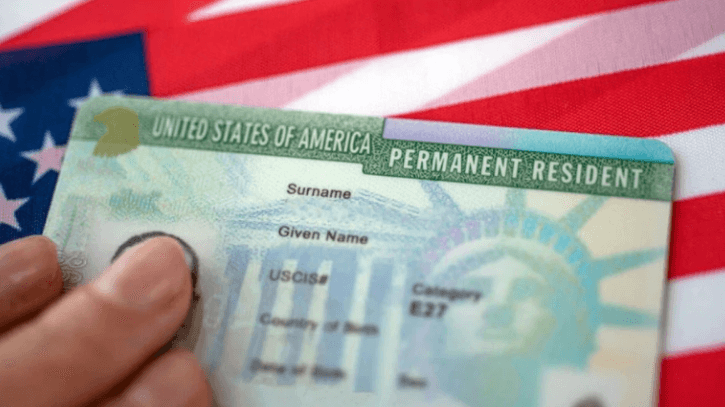
EB-3 Green Card: Skilled Workers, Professionals, and Other Workers

The EB-3 employment-based green card category provides permanent residence for skilled workers, professionals, and other workers with qualifying job offers from U.S. employers. EB-3 is the most accessible employment-based green card category, though wait times can extend for years depending on your country of birth. This guide explains EB-3 requirements, subcategories, and the complete application process.

The EB-3 employment-based green card category provides permanent residence for skilled workers, professionals, and other workers with qualifying job offers from U.S. employers. EB-3 is the most accessible employment-based green card category, though wait times can extend for years depending on your country of birth. This guide explains EB-3 requirements, subcategories, and the complete application process.

Quick Answer

The EB-3 green card requires a permanent, full-time job offer from a U.S. employer willing to sponsor you through labor certification (PERM) and immigrant petition (I-140) processes. Three subcategories exist: skilled workers (jobs requiring 2+ years training), professionals (jobs requiring bachelor's degrees), and other workers (unskilled labor). According to USCIS EB-3 requirements, all EB-3 applicants need employer sponsorship and must demonstrate they meet the job's minimum requirements. Current wait times range from immediate availability to over 10 years depending on country of birth.

Key Takeaways

  • EB-3 requires employer sponsorship through PERM labor certification and I-140 petition.

  • Three subcategories: skilled workers (2+ years experience), professionals (bachelor's degree), and other workers (unskilled).

  • Other workers subcategory is limited to approximately 5,000 visas annually.

  • Priority date (PERM filing date) determines your place in the visa queue.

  • Wait times vary dramatically: immediate for some countries, 10+ years for India and others.

  • Job requirements must be normal for the occupation and consistently applied.

  • Employer must prove inability to find qualified U.S. workers at prevailing wage.

Table of Content

What Are the EB-3 Subcategories?

EB-3 contains three distinct subcategories, each with different qualification requirements and visa availability.

Skilled Workers: Positions requiring at least two years of training, education, or experience. Examples include electricians, chefs, mechanics, and other skilled trades. The two-year requirement refers to the job's minimum requirements, not the applicant's actual experience.

Professionals: Positions requiring at least a U.S. bachelor's degree or foreign equivalent, where the degree is the normal requirement for entry into the occupation. Engineers, accountants, teachers, and similar positions typically qualify.

Other Workers: Positions requiring less than two years of training or experience. This subcategory is limited to approximately 5,000 visas annually, creating longer wait times than skilled worker and professional categories.

How Is EB-3 Professional Different from EB-2?

EB-2 professional positions require advanced degrees (master's or higher) or bachelor's degree plus five years progressive experience. EB-3 professional positions require only a bachelor's degree.

EB-2 typically has shorter wait times than EB-3 because visa demand is distributed differently between categories.

Some positions qualify for either EB-2 or EB-3 depending on how the employer defines job requirements. Strategic job requirement drafting can affect category eligibility.

What Is the EB-3 Green Card Process?

The EB-3 process involves three main stages: PERM labor certification, I-140 immigrant petition, and I-485 adjustment of status or consular processing.

Stage 1: PERM Labor Certification: The employer conducts recruitment to test the labor market and files Form ETA-9089 with the Department of Labor. This proves no qualified U.S. workers are available for the position at prevailing wage. Processing takes 6 to 18 months.

Stage 2: I-140 Immigrant Petition: After PERM approval, the employer files Form I-140 with USCIS. This petition establishes the job qualifies for EB-3 and the beneficiary meets the job requirements. Processing takes 6 to 12 months (or 15 business days with premium processing).

Stage 3: Green Card Application: When your priority date becomes current, file Form I-485 adjustment of status (if in the United States) or process through a U.S. consulate abroad. This final stage results in green card issuance.

What Is a Priority Date?

Your priority date is the date your PERM labor certification application was filed with the Department of Labor. This date determines your place in the visa queue.

The Department of State Visa Bulletin publishes monthly cutoff dates for each category and country. When your priority date is earlier than the published cutoff date, you can file for your green card.

Priority dates are valuable. If you change jobs, a new employer can file a new I-140 while you retain your original priority date from the previous case (with some limitations).

What Are PERM Labor Certification Requirements?

PERM requires the employer to conduct a recruitment campaign demonstrating no qualified U.S. workers are available for the position.

Recruitment activities include: job order with state workforce agency for 30 days, two Sunday newspaper advertisements, and three additional recruitment steps from a specified list (such as job fairs, employee referral programs, or campus recruitment).

The employer must offer and pay at least the prevailing wage for the position as determined by the Department of Labor. This ensures foreign workers do not undercut U.S. worker wages.

What Job Requirements Can Be Listed?

Job requirements must represent the employer's actual minimum requirements for the position, not requirements tailored for a specific foreign worker.

Requirements must be normal for the occupation. Requiring a PhD for a receptionist position would be questioned. Requirements must align with what employers typically require for similar positions.

If the sponsored worker gained experience in the same position with the sponsoring employer, that experience generally cannot be used to meet the requirements unless a specific exception applies.

What Documents Prove EB-3 Eligibility?

For skilled worker positions, provide evidence of qualifying training, education, or experience. Employment letters, training certificates, and apprenticeship documentation demonstrate the required two years of preparation.

For professional positions, provide your bachelor's degree and transcripts. Foreign degrees require credential evaluations from approved agencies confirming U.S. degree equivalency.

Experience letters from former employers should detail job titles, employment dates, hours worked, and specific duties performed. Letters should be on company letterhead with supervisor signatures.

What If You Lack Exact Credentials?

Credential evaluation services can assess foreign qualifications and determine U.S. equivalencies. Multiple evaluators may provide different conclusions; choose reputable, widely-accepted services.

Experience can sometimes substitute for educational requirements through equivalency formulas. Three years of progressive experience may equate to one year of college education in some circumstances.

Combination credentials (some education plus some experience) may satisfy requirements when properly documented and evaluated.

How Long Is the EB-3 Wait Time?

Wait times depend primarily on your country of birth, not citizenship or residence. The visa bulletin shows different cutoff dates for different countries.

China and India: Wait times often exceed 5 to 10+ years due to high demand relative to per-country visa limits. The EB-3 backlog for these countries continues growing.

All Other Countries: Wait times are typically 1 to 3 years or may be current (immediately available) depending on visa bulletin movement.

The other workers subcategory has the longest waits across all countries due to limited visa numbers.

Can You Reduce Your Wait Time?

EB-2 downgrade to EB-3 (or vice versa) may provide faster dates depending on current bulletin patterns. Some applicants file in both categories to use whichever becomes current first.

Changing your country of chargeability through marriage to a spouse born in a different country may provide access to shorter queues.

Monitoring the visa bulletin monthly and filing immediately when dates become current prevents additional delays.

What Happens During the Green Card Stage?

When your priority date becomes current, file Form I-485 adjustment of status if you are in the United States in valid status. Include medical examination (Form I-693), photographs, and supporting documents.

Alternatively, process through consular immigrant visa processing abroad. This requires interview at a U.S. embassy or consulate in your country.

After I-485 filing, you become eligible for Employment Authorization Document (EAD) and Advance Parole (AP), allowing work flexibility and travel while your case processes.

Can You Change Employers During the Process?

AC21 portability allows job changes after I-485 has been pending for 180 days, provided the new job is in the same or similar occupational classification.

Before I-485 filing or before 180 days pending, job changes are more restricted and may require starting the process over with the new employer.

I-140 approval for 180+ days provides some protection even if the original employer withdraws sponsorship.


What Are the EB-3 Subcategories?

EB-3 contains three distinct subcategories, each with different qualification requirements and visa availability.

Skilled Workers: Positions requiring at least two years of training, education, or experience. Examples include electricians, chefs, mechanics, and other skilled trades. The two-year requirement refers to the job's minimum requirements, not the applicant's actual experience.

Professionals: Positions requiring at least a U.S. bachelor's degree or foreign equivalent, where the degree is the normal requirement for entry into the occupation. Engineers, accountants, teachers, and similar positions typically qualify.

Other Workers: Positions requiring less than two years of training or experience. This subcategory is limited to approximately 5,000 visas annually, creating longer wait times than skilled worker and professional categories.

How Is EB-3 Professional Different from EB-2?

EB-2 professional positions require advanced degrees (master's or higher) or bachelor's degree plus five years progressive experience. EB-3 professional positions require only a bachelor's degree.

EB-2 typically has shorter wait times than EB-3 because visa demand is distributed differently between categories.

Some positions qualify for either EB-2 or EB-3 depending on how the employer defines job requirements. Strategic job requirement drafting can affect category eligibility.

What Is the EB-3 Green Card Process?

The EB-3 process involves three main stages: PERM labor certification, I-140 immigrant petition, and I-485 adjustment of status or consular processing.

Stage 1: PERM Labor Certification: The employer conducts recruitment to test the labor market and files Form ETA-9089 with the Department of Labor. This proves no qualified U.S. workers are available for the position at prevailing wage. Processing takes 6 to 18 months.

Stage 2: I-140 Immigrant Petition: After PERM approval, the employer files Form I-140 with USCIS. This petition establishes the job qualifies for EB-3 and the beneficiary meets the job requirements. Processing takes 6 to 12 months (or 15 business days with premium processing).

Stage 3: Green Card Application: When your priority date becomes current, file Form I-485 adjustment of status (if in the United States) or process through a U.S. consulate abroad. This final stage results in green card issuance.

What Is a Priority Date?

Your priority date is the date your PERM labor certification application was filed with the Department of Labor. This date determines your place in the visa queue.

The Department of State Visa Bulletin publishes monthly cutoff dates for each category and country. When your priority date is earlier than the published cutoff date, you can file for your green card.

Priority dates are valuable. If you change jobs, a new employer can file a new I-140 while you retain your original priority date from the previous case (with some limitations).

What Are PERM Labor Certification Requirements?

PERM requires the employer to conduct a recruitment campaign demonstrating no qualified U.S. workers are available for the position.

Recruitment activities include: job order with state workforce agency for 30 days, two Sunday newspaper advertisements, and three additional recruitment steps from a specified list (such as job fairs, employee referral programs, or campus recruitment).

The employer must offer and pay at least the prevailing wage for the position as determined by the Department of Labor. This ensures foreign workers do not undercut U.S. worker wages.

What Job Requirements Can Be Listed?

Job requirements must represent the employer's actual minimum requirements for the position, not requirements tailored for a specific foreign worker.

Requirements must be normal for the occupation. Requiring a PhD for a receptionist position would be questioned. Requirements must align with what employers typically require for similar positions.

If the sponsored worker gained experience in the same position with the sponsoring employer, that experience generally cannot be used to meet the requirements unless a specific exception applies.

What Documents Prove EB-3 Eligibility?

For skilled worker positions, provide evidence of qualifying training, education, or experience. Employment letters, training certificates, and apprenticeship documentation demonstrate the required two years of preparation.

For professional positions, provide your bachelor's degree and transcripts. Foreign degrees require credential evaluations from approved agencies confirming U.S. degree equivalency.

Experience letters from former employers should detail job titles, employment dates, hours worked, and specific duties performed. Letters should be on company letterhead with supervisor signatures.

What If You Lack Exact Credentials?

Credential evaluation services can assess foreign qualifications and determine U.S. equivalencies. Multiple evaluators may provide different conclusions; choose reputable, widely-accepted services.

Experience can sometimes substitute for educational requirements through equivalency formulas. Three years of progressive experience may equate to one year of college education in some circumstances.

Combination credentials (some education plus some experience) may satisfy requirements when properly documented and evaluated.

How Long Is the EB-3 Wait Time?

Wait times depend primarily on your country of birth, not citizenship or residence. The visa bulletin shows different cutoff dates for different countries.

China and India: Wait times often exceed 5 to 10+ years due to high demand relative to per-country visa limits. The EB-3 backlog for these countries continues growing.

All Other Countries: Wait times are typically 1 to 3 years or may be current (immediately available) depending on visa bulletin movement.

The other workers subcategory has the longest waits across all countries due to limited visa numbers.

Can You Reduce Your Wait Time?

EB-2 downgrade to EB-3 (or vice versa) may provide faster dates depending on current bulletin patterns. Some applicants file in both categories to use whichever becomes current first.

Changing your country of chargeability through marriage to a spouse born in a different country may provide access to shorter queues.

Monitoring the visa bulletin monthly and filing immediately when dates become current prevents additional delays.

What Happens During the Green Card Stage?

When your priority date becomes current, file Form I-485 adjustment of status if you are in the United States in valid status. Include medical examination (Form I-693), photographs, and supporting documents.

Alternatively, process through consular immigrant visa processing abroad. This requires interview at a U.S. embassy or consulate in your country.

After I-485 filing, you become eligible for Employment Authorization Document (EAD) and Advance Parole (AP), allowing work flexibility and travel while your case processes.

Can You Change Employers During the Process?

AC21 portability allows job changes after I-485 has been pending for 180 days, provided the new job is in the same or similar occupational classification.

Before I-485 filing or before 180 days pending, job changes are more restricted and may require starting the process over with the new employer.

I-140 approval for 180+ days provides some protection even if the original employer withdraws sponsorship.

Frequently Asked Questions

What is the EB-3 filing fee?

PERM has no government filing fee. Form I-140 costs $715 (plus $2,805 for optional premium processing). Form I-485 costs $1,440 for applicants 14 and older. Total costs including medical exams and legal fees typically range from $5,000 to $15,000+.

What is the EB-3 filing fee?

Can I self-petition for EB-3?

No. EB-3 requires employer sponsorship. Unlike EB-1A or EB-2 NIW, there is no self-petition option for EB-3 categories.

Can I self-petition for EB-3?

What happens if my employer goes out of business?

If this occurs before I-140 approval, your case fails and must restart with a new employer. After I-140 approval for 180+ days and I-485 pending for 180+ days, portability may save your case.

What happens if my employer goes out of business?

Can my spouse and children get green cards through EB-3?

Yes. Derivative beneficiaries (spouse and unmarried children under 21) can obtain green cards through your EB-3 petition. They are included in your I-485 or consular processing.

Can my spouse and children get green cards through EB-3?

Is there an age limit for EB-3?

No maximum age limit exists for EB-3 applicants. However, derivative children must remain under 21 and unmarried to qualify. Child Status Protection Act provides some age-out protection.

Share post