H-2A Temporary Agricultural Worker Visa: Requirements and Process
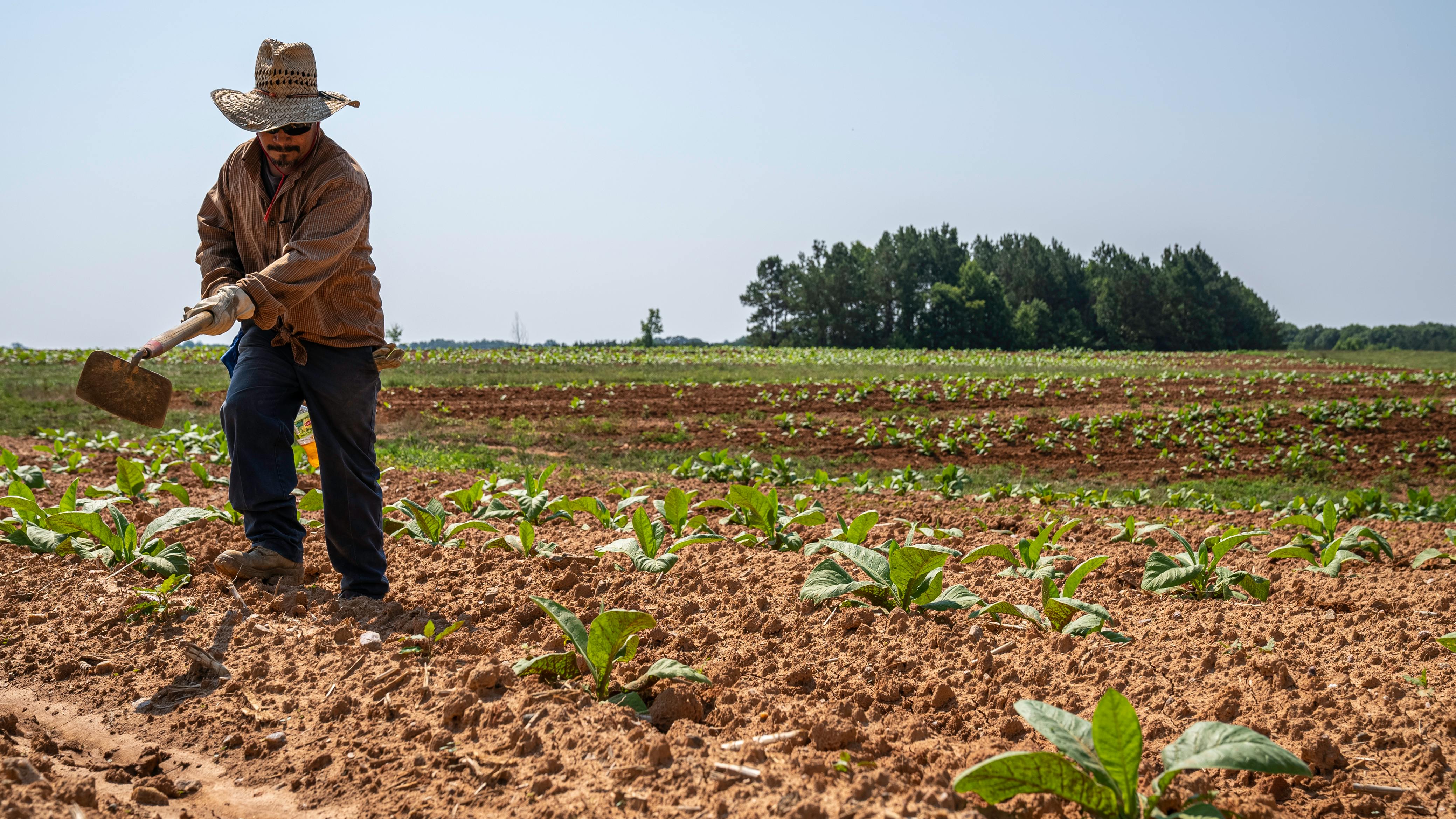
The H-2A visa allows U.S. employers to hire foreign workers for temporary or seasonal agricultural work. The program serves agricultural industries facing labor shortages while providing legal employment opportunities for foreign workers. This guide explains H-2A eligibility, the application process, and worker protections.
The H-2A visa allows U.S. employers to hire foreign workers for temporary or seasonal agricultural work. The program serves agricultural industries facing labor shortages while providing legal employment opportunities for foreign workers. This guide explains H-2A eligibility, the application process, and worker protections.
The H-2A nonimmigrant visa allows U.S. employers to bring foreign workers to perform temporary or seasonal agricultural labor when domestic workers are unavailable. According to USCIS H-2A requirements, employers must demonstrate that no qualified U.S. workers are available, the work is temporary or seasonal in nature, and the employment will not adversely affect U.S. workers' wages or working conditions. The program has no annual numerical cap. Worker protections include guaranteed wages, housing, transportation reimbursement, and worker's compensation. H-2A visas are typically valid for the period of the temporary need, with maximum stays of 3 years before workers must return home.
Key Takeaways
H-2A is for temporary or seasonal agricultural work only.
No annual cap on H-2A visas.
Employers must obtain temporary labor certification from DOL before petitioning USCIS.
Workers receive housing, meals, transportation, and prevailing wages.
Maximum total stay is 3 years before required home country return.
H-2A workers generally must be from designated participating countries.
Family members can accompany workers in H-4 dependent status.
Table of Content
What Is H-2A Agricultural Work?
H-2A applies specifically to agricultural work meeting certain criteria:
Agricultural work definition: Work in agriculture as defined under federal law, including:
Crop production and harvesting
Livestock raising and care
Dairy operations
Forestry on agricultural lands
Cultivation, growing, and harvesting of any agricultural commodities
Direct support functions essential to agricultural production
Temporary or seasonal nature:
Seasonal work: Tied to specific times of year (planting, harvesting)
Temporary work: Limited duration with definite end date
Year-round agricultural work: Generally does not qualify for H-2A
The work must be genuinely temporary, not ongoing year-round employment.
Civil litigation: Workers can sue employers for violations of contract or law.
Whistleblower protections: Workers reporting violations are protected from employer retaliation.
Loss of H-2A privileges: Repeat violator employers can be barred from the H-2A program.
Workers experiencing problems should contact legal aid organizations specializing in farmworker rights.
How Long Can Workers Stay?
H-2A workers have time limits:
Initial admission: Up to the period authorized in the labor certification, typically 6 to 10 months for most agricultural seasons.
Extensions: Status can be extended in increments matching new labor certifications, up to a 3-year cumulative maximum.
Maximum total stay: 3 years total. After reaching this maximum, workers must remain outside the U.S. for at least 3 months before applying for new H-2A status.
Resetting the clock: After the 3-month foreign residence requirement, workers can apply for new H-2A status without prior time counting.
Can Workers Bring Family Members?
Yes, with limitations:
H-4 dependents:
Spouses and unmarried children under 21 can accompany H-2A workers
H-4 dependents cannot work in the U.S.
H-4 children can attend school
Practical considerations:
Many workers leave families in home country
Costs of supporting family in U.S. often exceed worker's earnings
Most H-2A employment doesn't include family housing
For most H-2A workers, family typically remains in the home country during the work period.
What Are Common H-2A Issues?
Several issues affect H-2A workers and employers:
Recruitment fees: Workers should not pay recruitment fees. Charging fees may violate H-2A requirements.
Wage theft: Failure to pay required wages is a common violation.
Housing problems: Substandard housing or overcrowding occur.
Transportation issues: Inadequate or unsafe transportation between housing and work.
Document retention: Some employers improperly retain workers' passports or documents.
How Do Workers Get Help?
Resources for H-2A workers:
Legal aid organizations: Many states have legal aid programs specifically for farmworkers.
Federal complaint mechanisms: DOL Wage and Hour Division accepts complaints.
Worker advocacy organizations: Various nonprofits assist farmworkers with legal issues.
Consulates: Home country consulates can sometimes help with serious issues.
Hotlines: Several hotlines exist for reporting agricultural worker abuse.
The Farmworker Justice and similar organizations provide resources for workers experiencing problems.
H-2A vs. H-2B Comparison
The H-2A and H-2B programs serve different industries:
Feature
H-2A
H-2B
Work type
Agricultural
Non-agricultural
Annual cap
None
66,000 (with semi-annual splits)
Maximum stay
3 years
3 years
Worker housing required
Yes
No
Transportation reimbursement
Yes
No
Work types covered
Crops, livestock, etc.
Hospitality, landscaping, etc.
Most agricultural work falls under H-2A. H-2B serves industries like landscaping, hospitality, seafood processing, and amusement parks.
What Is H-2A Agricultural Work?
H-2A applies specifically to agricultural work meeting certain criteria:
Agricultural work definition: Work in agriculture as defined under federal law, including:
Crop production and harvesting
Livestock raising and care
Dairy operations
Forestry on agricultural lands
Cultivation, growing, and harvesting of any agricultural commodities
Direct support functions essential to agricultural production
Temporary or seasonal nature:
Seasonal work: Tied to specific times of year (planting, harvesting)
Temporary work: Limited duration with definite end date
Year-round agricultural work: Generally does not qualify for H-2A
The work must be genuinely temporary, not ongoing year-round employment.
Civil litigation: Workers can sue employers for violations of contract or law.
Whistleblower protections: Workers reporting violations are protected from employer retaliation.
Loss of H-2A privileges: Repeat violator employers can be barred from the H-2A program.
Workers experiencing problems should contact legal aid organizations specializing in farmworker rights.
How Long Can Workers Stay?
H-2A workers have time limits:
Initial admission: Up to the period authorized in the labor certification, typically 6 to 10 months for most agricultural seasons.
Extensions: Status can be extended in increments matching new labor certifications, up to a 3-year cumulative maximum.
Maximum total stay: 3 years total. After reaching this maximum, workers must remain outside the U.S. for at least 3 months before applying for new H-2A status.
Resetting the clock: After the 3-month foreign residence requirement, workers can apply for new H-2A status without prior time counting.
Can Workers Bring Family Members?
Yes, with limitations:
H-4 dependents:
Spouses and unmarried children under 21 can accompany H-2A workers
H-4 dependents cannot work in the U.S.
H-4 children can attend school
Practical considerations:
Many workers leave families in home country
Costs of supporting family in U.S. often exceed worker's earnings
Most H-2A employment doesn't include family housing
For most H-2A workers, family typically remains in the home country during the work period.
What Are Common H-2A Issues?
Several issues affect H-2A workers and employers:
Recruitment fees: Workers should not pay recruitment fees. Charging fees may violate H-2A requirements.
Wage theft: Failure to pay required wages is a common violation.
Housing problems: Substandard housing or overcrowding occur.
Transportation issues: Inadequate or unsafe transportation between housing and work.
Document retention: Some employers improperly retain workers' passports or documents.
How Do Workers Get Help?
Resources for H-2A workers:
Legal aid organizations: Many states have legal aid programs specifically for farmworkers.
Federal complaint mechanisms: DOL Wage and Hour Division accepts complaints.
Worker advocacy organizations: Various nonprofits assist farmworkers with legal issues.
Consulates: Home country consulates can sometimes help with serious issues.
Hotlines: Several hotlines exist for reporting agricultural worker abuse.
The Farmworker Justice and similar organizations provide resources for workers experiencing problems.
H-2A vs. H-2B Comparison
The H-2A and H-2B programs serve different industries:
Feature
H-2A
H-2B
Work type
Agricultural
Non-agricultural
Annual cap
None
66,000 (with semi-annual splits)
Maximum stay
3 years
3 years
Worker housing required
Yes
No
Transportation reimbursement
Yes
No
Work types covered
Crops, livestock, etc.
Hospitality, landscaping, etc.
Most agricultural work falls under H-2A. H-2B serves industries like landscaping, hospitality, seafood processing, and amusement parks.
Frequently Asked Questions
Can H-2A workers change employers?
Can H-2A workers change employers?
Do H-2A workers pay U.S. taxes?
Do H-2A workers pay U.S. taxes?
Can H-2A workers apply for green cards?
Can H-2A workers apply for green cards?
Are there separate rules for H-2A workers from Mexico?
Are there separate rules for H-2A workers from Mexico?
What happens if I leave the H-2A job before my contract ends?