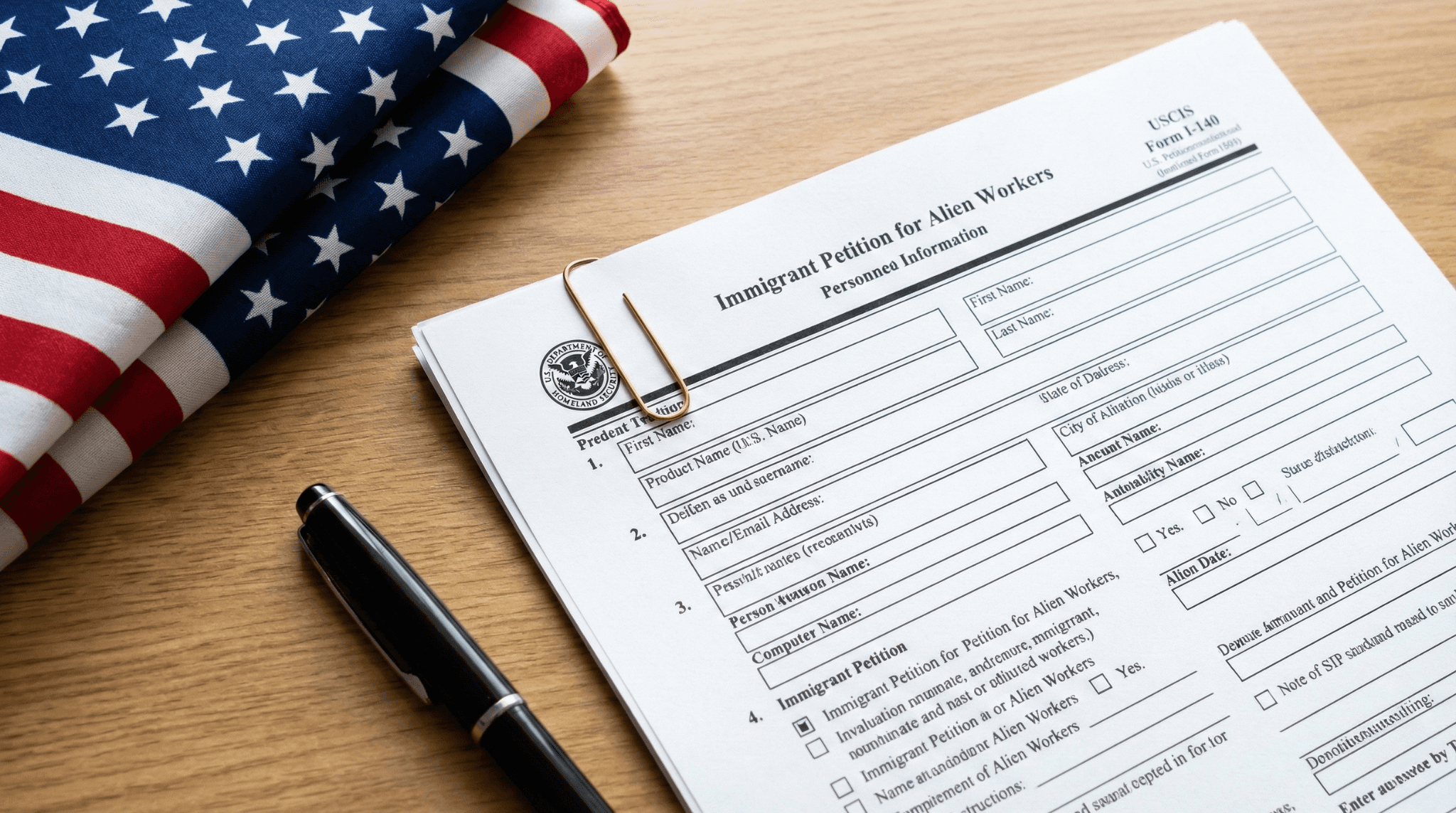
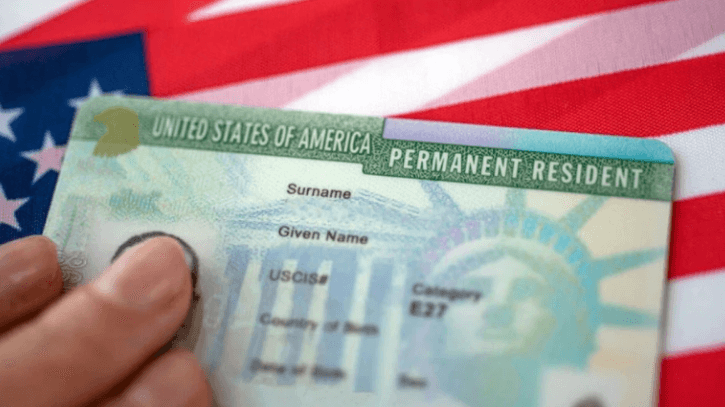
I-140 approval is major milestone but doesn't immediately give green card. You must wait until your priority date (PERM or I-140 filing date) becomes "current" according to monthly Visa Bulletin before filing I-485. Wait times vary: India EB-2 currently 15+ years, China 5-10 years, rest of world typically current immediately. While waiting, you get H-1B extensions beyond 6 years and AC21 job portability.
Key Takeaways
I-140 approval proves you qualify but doesn't grant green card yet
Priority date must be current per Visa Bulletin to file I-485
India and China face massive backlogs, rest of world often current immediately
I-140 approval enables unlimited H-1B extensions beyond 6 years
AC21 portability allows job changes after 180 days maintaining priority date
Approved I-140 remains valid forever even if you change employers
Table of Content
Understanding Priority Dates
Your priority date is the date USCIS received your PERM application (if employer-sponsored) or your I-140 petition (if self-petition like NIW or EB-1A). This date determines your place in green card line. Think of it like taking number at DMV - first come, first served within your category and country.
Priority dates only matter for oversubscribed categories. If you're from country with low demand (most countries except India and China) in EB-1, EB-2, or EB-3 categories, your priority date is usually current immediately. You can file I-485 as soon as I-140 is approved.
For India and China nationals, priority dates create years or decades of wait. The Visa Bulletin published monthly by Department of State shows which priority dates are current for each category and country.
Example of priority date system:
Indian EB-2 applicant's PERM filed January 15, 2024
Their priority date: January 15, 2024
Current Visa Bulletin shows EB-2 India dates current through January 2012
This person is 12 years behind current processing
Must wait approximately 12-15 more years for priority date to become current
Reading the Visa Bulletin
Visa Bulletin has two charts: "Final Action Dates" and "Dates for Filing." Final Action Dates determine when you can actually receive green card. Dates for Filing determine when you can submit I-485 application, starting the clock on EAD and advance parole even though final green card is years away.
USCIS announces monthly which chart is active for I-485 filing. Usually they allow filing based on "Dates for Filing" chart which is more favorable. Check USCIS website around 10th of each month when new bulletin releases.
How to read bulletin:
Find your category (EB-1, EB-2, or EB-3)
Find your country row
If chart shows "C" (current), you can file immediately
If chart shows date, your priority date must be before that date to file
Charts update monthly and can move forward or backward (retrogression)
What I-140 Approval Gives You
Even without current priority date, I-140 approval provides significant benefits. You qualify for unlimited H-1B extensions in 3-year increments beyond normal 6-year limit. This means you can work in U.S. indefinitely while waiting for priority date. You gain AC21 job portability after I-140 pending 180 days, allowing job changes to "same or similar" positions. Your spouse qualifies for H-4 EAD if you're on H-1B status. Your priority date is locked in permanently, even if you change employers.
The last point is crucial. Even if you leave sponsoring employer after I-140 approval, the priority date remains yours forever. Future employers can file new PERM and I-140 for you, and you can use earlier priority date from first I-140. This is called "priority date porting."
AC21 Portability in Detail
AC21 provision allows changing employers or jobs while I-485 is pending, or even before filing I-485 if I-140 has been approved. The new job must be "same or similar" to PERM job description in duties, requirements, and salary level.
For those with approved I-140 but priority date not current (no I-485 filed yet), AC21 still applies. You can change employers freely as long as new employer files H-1B transfer and eventually files new PERM/I-140. You keep your original priority date from first employer's approved I-140.
AC21 portability requirements:
I-140 approved (or pending 180+ days)
New job is same or similar occupation
Maintain valid nonimmigrant status (H-1B usually)
Original I-140 employer cannot withdraw approval after 180 days
Job Changing Strategy
Changing jobs with approved I-140 requires strategy. New employer must file H-1B transfer (or extend if already at that company). You should inform new employer about approved I-140 and priority date. They eventually file new PERM and I-140 for you. Once new I-140 is approved, you can request priority date from original I-140 be ported to new case.
You can work for multiple employers over years while maintaining single priority date from earliest approved I-140. This is common for Indians and Chinese with decade-long waits.
Marriage and Derivative Benefits
Your spouse and unmarried children under 21 are derivative beneficiaries on your green card petition. They get green cards when you do. However, if children turn 21 while priority date is pending, they "age out" and lose derivative status. Child Status Protection Act provides some relief calculating their age.
If you marry after I-140 approval but before receiving green card, you can add spouse as derivative. If you marry after receiving green card, you sponsor spouse separately through family-based petition (faster but separate process).
Priority Date Retrogression
Visa Bulletin dates can move forward, stay same, or move backward (retrogression). Retrogression happens when more people file than green cards available, forcing dates backward. This is devastating for those who thought they were close to filing.
Retrogression impact:
March bulletin shows EB-2 India current through January 2013
You're excited because your priority date is December 2012
April bulletin retracts to January 2012
You're back to waiting
Retrogression is common, especially in EB-2 and EB-3 categories for India and China. Don't make major life decisions based on current Visa Bulletin until actually filed I-485.
Priority Date Comparison by Country
Country/Category
Approximate Wait from Filing
Current Bulletin Date
India EB-1
2-4 years
2021-2022
India EB-2
15-20 years
2010-2012
India EB-3
10-15 years
2012-2014
China EB-1
1-2 years
2022-2023
China EB-2
5-8 years
2018-2020
China EB-3
3-5 years
2019-2021
Rest of World EB-1/2/3
Current (0 wait)
C (Current)
These are estimates as of late 2024. Actual dates fluctuate monthly.
What to Do While Waiting
Focus on career advancement using AC21 portability. Continue building life in America (buy house, have children, invest). Maintain valid H-1B status and extensions. Consider filing EB-1A or NIW to potentially jump queue with earlier category. Keep approved I-140 documentation safe forever. Monitor Visa Bulletin monthly around the 10th. Have I-485 package prepared and attorney ready to file immediately when current.
The wait is psychologically difficult but manageable with right approach. I-140 approval is major milestone even though green card remains years away.
Can I travel outside U.S. with approved I-140 but no I-485?
Yes, as long as you have valid H-1B visa stamp. Approved I-140 doesn't restrict travel. Only after filing I-485 do you need advance parole for international travel.
What if I get laid off with approved I-140?
You have 60-day grace period to find new H-1B employer. Your approved I-140 and priority date remain valid. New employer files H-1B transfer and eventually new PERM/I-140 using your original priority date.
Can employer withdraw approved I-140 if I leave?
Only if you leave within 180 days of approval. After 180 days, employer withdrawal doesn't affect you. Your approval and priority date remain valid forever.
Should I file EB-3 instead of EB-2 if it's moving faster?
Many file both EB-2 and EB-3 simultaneously and use whichever becomes current first. Consult immigration attorney about dual-filing strategy.
Does approved I-140 help my spouse get work authorization?
Yes, if you're on H-1B, your spouse qualifies for H-4 EAD allowing unrestricted work authorization based on your approved I-140.