I-9 Documents for Noncitizens: What HR Can and Cannot Ask

Form I-9 employment eligibility verification creates confusion for both employers and noncitizen employees. Understanding what documents are acceptable, what questions are permissible, and what practices constitute discrimination helps both parties navigate this process correctly. This blog explains the I-9 rules that apply when verifying noncitizen employment eligibility.

Quick Answer

Employers must verify employment eligibility for all new hires using Form I-9, but they cannot demand specific documents or treat noncitizens differently than citizens. Employees choose which acceptable documents to present from the lists on Form I-9. HR cannot require a green card, cannot ask for "more" or "better" documents than what the employee presents, and cannot specify which List A, B, or C documents they want to see. Employers verify that documents appear genuine and relate to the person presenting them. Asking for specific immigration documents or demanding additional verification because someone is a noncitizen constitutes illegal discrimination under anti-discrimination provisions enforced by the Department of Justice.

Key Takeaways

  • Employees choose which acceptable documents to present; employers cannot demand specific documents.

  • USCIS Form I-9 lists all acceptable documents in Lists A, B, and C.

  • Employers must accept documents that reasonably appear genuine and relate to the employee.

  • Requesting specific documents or more documents than required is document abuse.

  • Treating noncitizens differently than citizens during I-9 is citizenship status discrimination.

  • Employers cannot reject valid documents because they have future expiration dates in most cases.

  • The Immigrant and Employee Rights Section enforces I-9 anti-discrimination rules.

Key Takeaways

  • Employees choose which acceptable documents to present; employers cannot demand specific documents.

  • USCIS Form I-9 lists all acceptable documents in Lists A, B, and C.

  • Employers must accept documents that reasonably appear genuine and relate to the employee.

  • Requesting specific documents or more documents than required is document abuse.

  • Treating noncitizens differently than citizens during I-9 is citizenship status discrimination.

  • Employers cannot reject valid documents because they have future expiration dates in most cases.

  • The Immigrant and Employee Rights Section enforces I-9 anti-discrimination rules.

Table of Content

What Documents Can Noncitizens Present?

Noncitizens can present any documents from the I-9 acceptable documents lists. List A documents establish both identity and employment authorization. List B documents establish identity only, and List C documents establish employment authorization only.

Common List A documents for noncitizens include unexpired foreign passport with Form I-94 and unexpired employment authorization, Employment Authorization Document (EAD) card, and unexpired foreign passport with Form I-551 stamp.

Noncitizens can also use List B plus List C combinations. A state driver's license (List B) plus unrestricted Social Security card (List C) satisfies I-9 requirements for permanent residents and certain other noncitizens.

What Are the Most Common Noncitizen Documents?

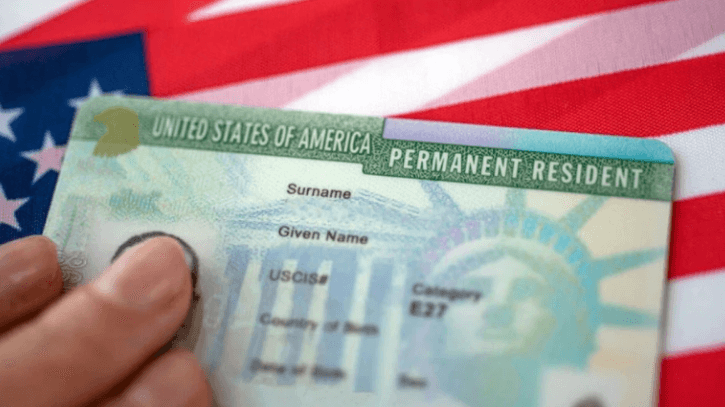
Permanent residents often present green cards (Form I-551), which are List A documents establishing both identity and work authorization.

Work visa holders commonly present EAD cards (for those with EADs) or foreign passports with I-94 arrival records showing valid visa status with employment authorization.

Refugees and asylees may present various documents including employment authorization documents, refugee travel documents, or foreign passports with appropriate stamps or endorsements.

What Can Employers Ask During I-9?

Employers can ask whether the employee is authorized to work in the United States. This question appears on Form I-9 Section 1, which the employee completes.

Employers can ask to see the employee's chosen documents and examine them for apparent genuineness. Looking at documents, comparing photos, and checking that information matches is appropriate verification.

Employers can ask about document expiration dates for receipt-based employment authorization, which requires reverification when authorization expires.

What Can Employers NOT Ask?

Employers cannot ask for specific document types. "Show me your green card" or "I need to see your EAD" improperly specifies documents. Instead, ask employees to present their choice of acceptable documents.

Employers cannot ask about immigration status beyond what Form I-9 requires. Questions about visa type, when someone became a permanent resident, or citizenship application plans are improper.

Employers cannot demand more documents than the I-9 requires. One List A document OR one List B plus one List C document satisfies the requirement. Requesting additional documents is document abuse.

What Is Document Abuse?

Document abuse occurs when employers request specific documents, request more documents than required, or reject valid documents without legitimate reason. The Immigrant and Employee Rights Section enforces prohibitions against document abuse.

Demanding a green card from permanent residents when they offer a driver's license plus Social Security card is document abuse. Both options satisfy I-9 requirements equally.

Requesting that employees bring multiple documents from which the employer will choose is document abuse. Employees make the selection, not employers.

How Does Document Abuse Harm Employees?

Some employees may not have the specific documents an employer improperly demands. Insisting on documents an employee cannot provide may prevent lawful employment.

Document abuse can reveal immigration status when employees would rather keep it private. A citizen presenting a driver's license and Social Security card is not identified as a citizen or noncitizen through those documents.

Employees subjected to document abuse can file complaints with the Immigrant and Employee Rights Section, which investigates and can impose civil penalties on violating employers.

What Is Citizenship Status Discrimination?

Citizenship status discrimination occurs when employers treat noncitizens differently than citizens during hiring, firing, or verification processes. Protected groups include U.S. citizens, permanent residents, refugees, and asylees.

Requiring noncitizens to present different documents than citizens is discrimination. If citizens can present a driver's license and Social Security card, noncitizens must be permitted the same option.

Subjecting noncitizens to additional verification steps, more scrutiny of documents, or reverification when citizens are not treated the same way violates anti-discrimination rules.

What Are Examples of Prohibited Treatment?

Telling a job applicant "we only hire citizens" is citizenship status discrimination unless a law or regulation actually restricts the position to citizens.

Running E-Verify selectively only on employees who "look foreign" or have foreign-sounding names discriminates based on national origin and perceived citizenship status.

Requiring noncitizens to provide documents before their start date when citizens are not required to do so treats employees differently based on citizenship status.

What Should Employers Do When Documents Expire?

Employment authorization documents with expiration dates require attention, but employers must follow proper procedures.

For List A documents with expiration dates, employers should reverify employment authorization using Section 3 of Form I-9 when the document expires. Reverification requires the employee to present a document showing continued employment authorization.

Employers cannot reject documents simply because they expire in the future. A valid EAD card with three months remaining validity must be accepted. Reverification occurs at expiration, not before.

How Does Reverification Work?

Before the document expiration date, employers should remind employees that reverification is needed. Employees must present acceptable documents showing continued authorization by the expiration date.

If authorization is extended while a renewal is pending, employees may present receipt notices showing the pending extension. This provides temporary evidence while the new document is processed.

According to USCIS I-9 guidance, employees can present any List A or List C document showing continued authorization. Employers cannot specify which document they prefer.

What About E-Verify?

E-Verify is an electronic system that compares I-9 information against government databases. Some employers are required to use E-Verify; others use it voluntarily.

E-Verify must be used consistently for all employees, not selectively for those perceived as foreign. Selective use constitutes discrimination.

Tentative Nonconfirmation results do not automatically mean an employee is unauthorized. Employees have rights to contest TNCs, and employers cannot take adverse action based on pending E-Verify cases.

Can Employers Require Documents for E-Verify?

E-Verify requires documents with specific information, but employers still cannot demand specific documents. Employees presenting documents that satisfy I-9 but lack Social Security numbers usable in E-Verify present a compliance challenge.

Employers should explain E-Verify requirements when requesting documents. Employees can voluntarily choose documents that facilitate E-Verify processing without employer coercion.

Some employees may present documents that require photo matching in E-Verify. Employers must follow E-Verify photo matching procedures without demanding different documents.


What Documents Can Noncitizens Present?

Noncitizens can present any documents from the I-9 acceptable documents lists. List A documents establish both identity and employment authorization. List B documents establish identity only, and List C documents establish employment authorization only.

Common List A documents for noncitizens include unexpired foreign passport with Form I-94 and unexpired employment authorization, Employment Authorization Document (EAD) card, and unexpired foreign passport with Form I-551 stamp.

Noncitizens can also use List B plus List C combinations. A state driver's license (List B) plus unrestricted Social Security card (List C) satisfies I-9 requirements for permanent residents and certain other noncitizens.

What Are the Most Common Noncitizen Documents?

Permanent residents often present green cards (Form I-551), which are List A documents establishing both identity and work authorization.

Work visa holders commonly present EAD cards (for those with EADs) or foreign passports with I-94 arrival records showing valid visa status with employment authorization.

Refugees and asylees may present various documents including employment authorization documents, refugee travel documents, or foreign passports with appropriate stamps or endorsements.

What Can Employers Ask During I-9?

Employers can ask whether the employee is authorized to work in the United States. This question appears on Form I-9 Section 1, which the employee completes.

Employers can ask to see the employee's chosen documents and examine them for apparent genuineness. Looking at documents, comparing photos, and checking that information matches is appropriate verification.

Employers can ask about document expiration dates for receipt-based employment authorization, which requires reverification when authorization expires.

What Can Employers NOT Ask?

Employers cannot ask for specific document types. "Show me your green card" or "I need to see your EAD" improperly specifies documents. Instead, ask employees to present their choice of acceptable documents.

Employers cannot ask about immigration status beyond what Form I-9 requires. Questions about visa type, when someone became a permanent resident, or citizenship application plans are improper.

Employers cannot demand more documents than the I-9 requires. One List A document OR one List B plus one List C document satisfies the requirement. Requesting additional documents is document abuse.

What Is Document Abuse?

Document abuse occurs when employers request specific documents, request more documents than required, or reject valid documents without legitimate reason. The Immigrant and Employee Rights Section enforces prohibitions against document abuse.

Demanding a green card from permanent residents when they offer a driver's license plus Social Security card is document abuse. Both options satisfy I-9 requirements equally.

Requesting that employees bring multiple documents from which the employer will choose is document abuse. Employees make the selection, not employers.

How Does Document Abuse Harm Employees?

Some employees may not have the specific documents an employer improperly demands. Insisting on documents an employee cannot provide may prevent lawful employment.

Document abuse can reveal immigration status when employees would rather keep it private. A citizen presenting a driver's license and Social Security card is not identified as a citizen or noncitizen through those documents.

Employees subjected to document abuse can file complaints with the Immigrant and Employee Rights Section, which investigates and can impose civil penalties on violating employers.

What Is Citizenship Status Discrimination?

Citizenship status discrimination occurs when employers treat noncitizens differently than citizens during hiring, firing, or verification processes. Protected groups include U.S. citizens, permanent residents, refugees, and asylees.

Requiring noncitizens to present different documents than citizens is discrimination. If citizens can present a driver's license and Social Security card, noncitizens must be permitted the same option.

Subjecting noncitizens to additional verification steps, more scrutiny of documents, or reverification when citizens are not treated the same way violates anti-discrimination rules.

What Are Examples of Prohibited Treatment?

Telling a job applicant "we only hire citizens" is citizenship status discrimination unless a law or regulation actually restricts the position to citizens.

Running E-Verify selectively only on employees who "look foreign" or have foreign-sounding names discriminates based on national origin and perceived citizenship status.

Requiring noncitizens to provide documents before their start date when citizens are not required to do so treats employees differently based on citizenship status.

What Should Employers Do When Documents Expire?

Employment authorization documents with expiration dates require attention, but employers must follow proper procedures.

For List A documents with expiration dates, employers should reverify employment authorization using Section 3 of Form I-9 when the document expires. Reverification requires the employee to present a document showing continued employment authorization.

Employers cannot reject documents simply because they expire in the future. A valid EAD card with three months remaining validity must be accepted. Reverification occurs at expiration, not before.

How Does Reverification Work?

Before the document expiration date, employers should remind employees that reverification is needed. Employees must present acceptable documents showing continued authorization by the expiration date.

If authorization is extended while a renewal is pending, employees may present receipt notices showing the pending extension. This provides temporary evidence while the new document is processed.

According to USCIS I-9 guidance, employees can present any List A or List C document showing continued authorization. Employers cannot specify which document they prefer.

What About E-Verify?

E-Verify is an electronic system that compares I-9 information against government databases. Some employers are required to use E-Verify; others use it voluntarily.

E-Verify must be used consistently for all employees, not selectively for those perceived as foreign. Selective use constitutes discrimination.

Tentative Nonconfirmation results do not automatically mean an employee is unauthorized. Employees have rights to contest TNCs, and employers cannot take adverse action based on pending E-Verify cases.

Can Employers Require Documents for E-Verify?

E-Verify requires documents with specific information, but employers still cannot demand specific documents. Employees presenting documents that satisfy I-9 but lack Social Security numbers usable in E-Verify present a compliance challenge.

Employers should explain E-Verify requirements when requesting documents. Employees can voluntarily choose documents that facilitate E-Verify processing without employer coercion.

Some employees may present documents that require photo matching in E-Verify. Employers must follow E-Verify photo matching procedures without demanding different documents.

Frequently Asked Questions

Can employers copy I-9 documents?

Yes, but consistently. If employers copy documents for some employees, they must copy for all employees. Selective copying based on perceived citizenship status or national origin is discriminatory.

Can employers copy I-9 documents?

Yes, but consistently. If employers copy documents for some employees, they must copy for all employees. Selective copying based on perceived citizenship status or national origin is discriminatory.

What if documents look suspicious?

Employers should accept documents that reasonably appear genuine on their face. If documents have obvious alterations, inconsistencies, or appear fraudulent, employers may request different documents from the acceptable lists.

What if documents look suspicious?

Employers should accept documents that reasonably appear genuine on their face. If documents have obvious alterations, inconsistencies, or appear fraudulent, employers may request different documents from the acceptable lists.

Can employers ask about visa type?

Generally no. Employers verify employment authorization, not specific visa classifications. Asking about visa type beyond what I-9 requires may suggest improper selection practices.

Can employers ask about visa type?

Generally no. Employers verify employment authorization, not specific visa classifications. Asking about visa type beyond what I-9 requires may suggest improper selection practices.

What if an employee refuses to show documents?

Employees must present acceptable documents within three business days of hire. Employees who refuse to complete I-9 cannot be employed. This applies equally to citizens and noncitizens.

What if an employee refuses to show documents?

Employees must present acceptable documents within three business days of hire. Employees who refuse to complete I-9 cannot be employed. This applies equally to citizens and noncitizens.

Share post