What Types of Photos Should You Include?
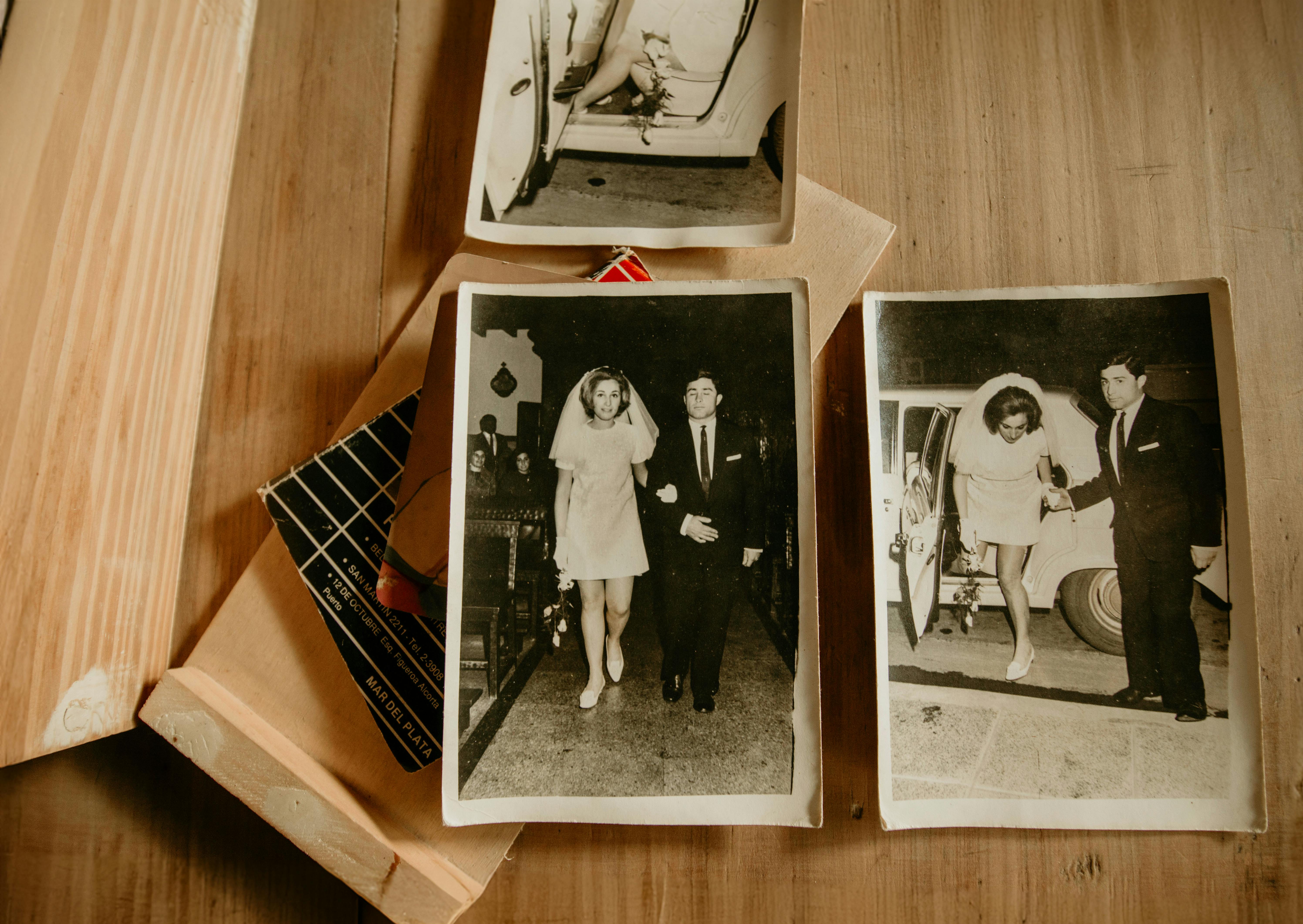
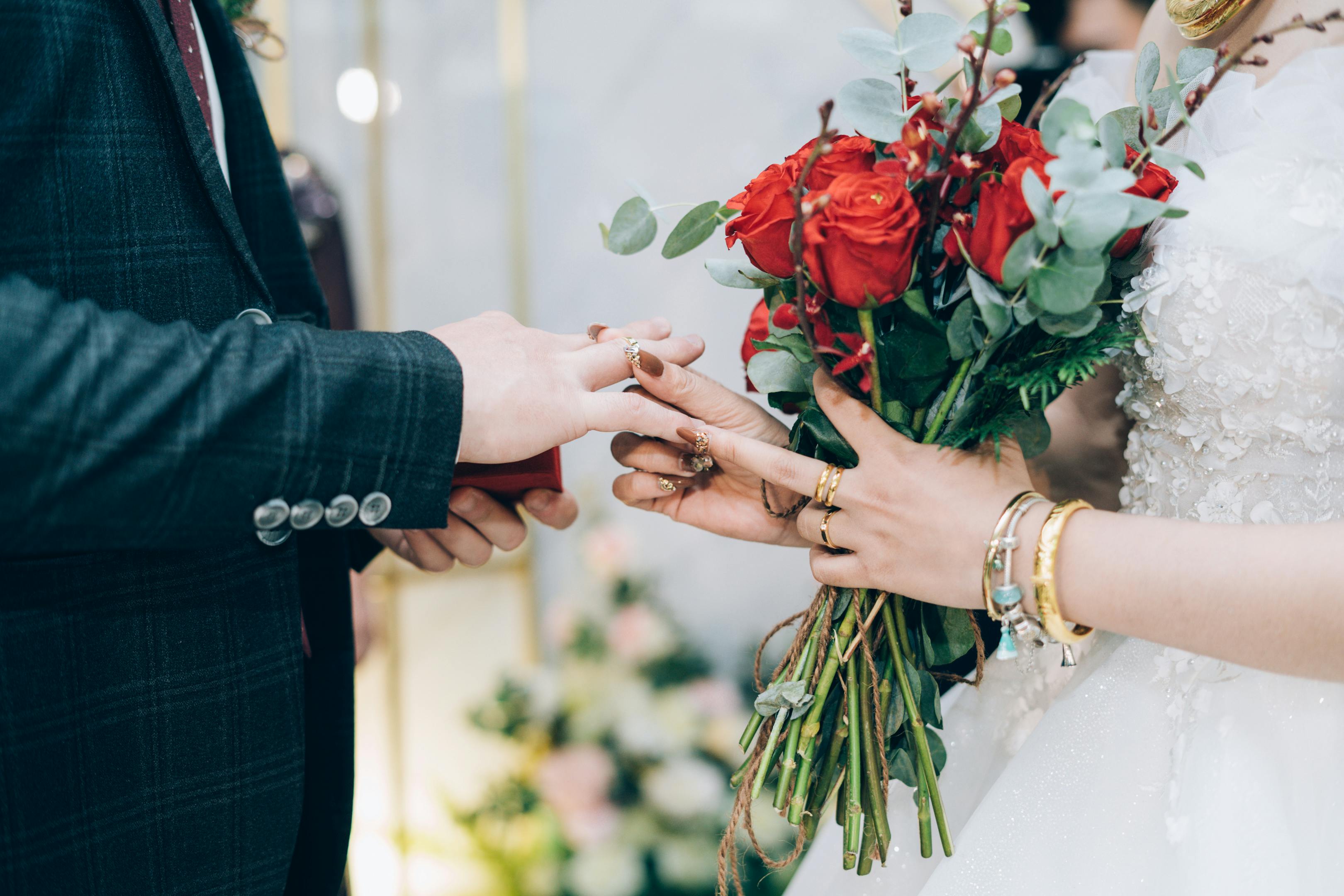
Include photos from your wedding or civil ceremony. These document the legal marriage that forms the basis of your application. Ceremony photos, reception images, and photos with wedding guests all work well.
Photos from before your wedding show your dating relationship and courtship. Pictures from dates, trips, and time spent together before marriage demonstrate relationship history predating the green card application.
Post-wedding photos showing your married life together are essential. Holidays, vacations, family gatherings, everyday activities, and milestone celebrations demonstrate ongoing relationship after the wedding.
What Makes Photos Effective Evidence?
Photos with both spouses together are most valuable. Individual photos or photos where one spouse is absent do not demonstrate the relationship as effectively.
Photos with family members and friends show that your relationship is known and accepted by your social circles. Meeting each other's families, attending events together, and sharing social connections support relationship legitimacy.
Photos from different time periods demonstrate relationship continuity. A gap of many months without photos raises questions, while steady documentation over time shows ongoing partnership.
How Should You Organize the Photos?
Chronological organization is most effective. Start with your earliest photos together and progress to recent images. This organization tells the story of your relationship development over time.
Create sections or dividers for different periods: dating, engagement, wedding, first year of marriage, subsequent years. Clear organization helps the interviewing officer navigate your evidence efficiently.
Label each photo clearly. Write or print labels including the date (at least month and year), location, and names of other people pictured. Labels turn photos from generic images into specific evidence.
What Format Works Best?
Physical photo binders with printed photos remain the standard approach. Use photo albums or presentation binders with clear sleeves. This format allows easy page-turning and annotation.
Digital organization on a tablet is increasingly accepted. Create a slideshow or organized folder the officer can scroll through. However, bring printed copies as backup in case of technical issues.
Avoid loose stacks of photos. Unorganized piles are difficult to review and suggest lack of preparation. Organized presentation reflects well on your case preparation overall.
How Many Photos Do You Need?
Twenty to fifty well-selected photos typically provide sufficient documentation. This range allows showing relationship breadth without overwhelming the officer with excessive material.
Quality matters more than quantity. Fifty carefully selected, labeled photos from different occasions and time periods are more effective than 200 unlabeled photos from three events.
Select photos that show different aspects of your life together. Travel, holidays, family events, home life, and social activities should all be represented. Variety demonstrates a multidimensional relationship.
Can You Have Too Many Photos?
Yes. Submitting hundreds of photos, especially unlabeled ones primarily from a few events, creates problems. Officers have limited time to review evidence and may not examine every photo in an overwhelming collection.
Excessive photos from single events (dozens of wedding photos, for example) add little evidentiary value beyond the first few. Select representative images rather than including every photo taken.
An organized, manageable collection suggests you understand what evidence matters. An overwhelming, disorganized collection suggests either misunderstanding of the process or attempt to compensate for relationship concerns with volume.
What Information Should Labels Include?
Every photo should include the date or approximate date. Exact dates are ideal, but month and year work when exact dates are unknown. Dating establishes chronology and demonstrates relationship duration.
Location information provides context. "Our apartment in Chicago" or "Maria's parents' house, Thanksgiving 2023" helps officers understand what they are viewing and verifies shared experiences.
Names of other people in photos help demonstrate social connections. "With my brother John and his wife Sarah" shows family integration. "With friends from our neighborhood" shows social life together.
How Do You Label Digital Photos?
For digital presentations, add captions or text overlays to images. Photo editing software or presentation programs allow adding labels visible when viewing each image.
Create a separate document listing photos with descriptions if captions are difficult to add. Number photos and provide corresponding descriptions in the document.
Ensure labels are readable. Small text on phone screens may be difficult for officers to read. Use clear, sufficiently large text for all labels and captions.
What Photos Should You Avoid?
Avoid explicit or inappropriate images. Intimate photos are unnecessary and unprofessional. Your relationship can be demonstrated through appropriate everyday and special occasion photos.
Avoid photos that only show one spouse. The purpose is demonstrating your relationship together. Individual photos, unless showing the other spouse taking the picture in a mirror or reflection, add little value.
Avoid heavily filtered or edited photos that obscure faces or create ambiguity about identity. Clear, recognizable images of both spouses work best.
What About Social Media Photos?
Social media photos can be included if they show you together and are properly documented. Screenshots showing the post date add authentication.
Social media posts where you have tagged each other, shared relationship milestones, or posted about shared experiences provide additional context beyond the photos themselves.
However, do not rely solely on social media. Include physical photos from your own collection in addition to any social media documentation.
What If You Have Limited Photos?
Some couples have fewer photos due to cultural practices, privacy preferences, or circumstances. Limited photos are not automatically disqualifying, but you should maximize what you have.
Supplement photos with other relationship evidence. Joint bank accounts, lease agreements, bills in both names, insurance policies, and other documents demonstrate shared life even without extensive photo documentation.
Explain limited photo documentation if asked. Cultural reasons, privacy concerns, or simply not being photo-oriented couples are understandable explanations when supported by strong other evidence.
How Do You Compensate for Photo Gaps?
If certain time periods lack photos, provide other evidence from those periods. Financial documents, travel records, communication records, and witness letters can fill gaps.
Focus photos you do have on demonstrating relationship legitimacy overall. Even limited photos showing genuine affection, shared experiences, and family integration support your case.
Consider whether gaps have innocent explanations. Moving, busy work periods, or phone changes that lost photos happen to many couples. Be prepared to explain gaps naturally if asked.