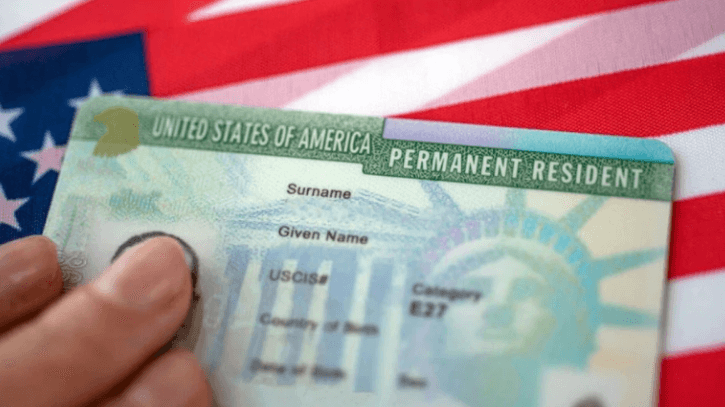
What Is a Reentry Permit?
A reentry permit is an official U.S. government document showing that a permanent resident does not intend to abandon permanent residence during an extended trip abroad.
The document looks similar to a passport and contains your photograph, biographical information, and reentry permit number. It serves as both evidence of permanent resident status and as a travel document.
Without a reentry permit, permanent residents who remain abroad for more than one year typically lose the ability to use their green card for reentry and must obtain returning resident visas through U.S. consulates.
Who Needs a Reentry Permit?
Permanent residents should consider applying for a reentry permit when:
Extended international trip planned: Travel of one year or longer outside the United States.
Foreign work assignment: Job assignment requiring residence abroad.
Family or medical situations: Caring for sick family members abroad for extended periods.
Education abroad: Studying or conducting research outside the U.S. for an extended period.
Business operations: Managing business interests abroad requiring extended physical presence.
Government service abroad: Working for U.S. government, religious organizations, or international organizations.
What If You Will Be Away Less Than One Year?
If you will be outside the U.S. for less than one year, a reentry permit is generally not required. Your green card alone serves as your reentry document.
However, even shorter absences can raise questions about abandonment if circumstances suggest you have moved your residence abroad.
For trips approaching one year, reentry permits provide additional protection and document your intent to maintain U.S. residence.
How Do You Apply for a Reentry Permit?
The application process must occur while you are physically in the United States.
Step 1: File Form I-131: Submit Form I-131 Application for Travel Document with USCIS.
Step 2: Pay filing fee: $660 for reentry permit applications.
Step 3: Attend biometrics appointment: USCIS schedules biometrics in the U.S., typically 4 to 8 weeks after filing.
Step 4: Wait for processing: Processing currently takes 12 to 18 months.
Step 5: Receive permit: USCIS mails the reentry permit to the address you specify.
You can list a U.S. or foreign address for delivery. Many applicants use their U.S. address or a designated representative's address for security.
Can You Travel While the Application Is Pending?
You can travel while the reentry permit application is pending, but biometrics must be completed in the U.S. before you depart.
If you depart before biometrics, the application may be denied. Plan filing and biometrics timing carefully.
After biometrics completion, you can leave the U.S. and have the permit mailed to you abroad if needed.
What Are the Filing Requirements?
Required documentation for Form I-131 includes:
Required documents:
Completed Form I-131
Filing fee ($660)
Two passport-style photographs
Copy of permanent resident card (front and back)
Copy of biographical pages of valid passport
Statement explaining the reason for the extended trip
Evidence supporting the trip purpose (work assignment letter, school enrollment, etc.)
For specific situations:
Work assignments: Letter from employer
Education: School enrollment or research letter
Family medical issues: Medical records and family documentation
Other reasons: Appropriate supporting documentation
What Filing Address Should You Use?
Filing addresses for Form I-131 vary based on the type of travel document and your location. Check current USCIS filing instructions for the appropriate filing location.
USCIS occasionally restructures filing addresses. Verify the current address before mailing.
How Long Are Reentry Permits Valid?
Reentry permits are issued for periods up to two years from the date of issuance.
Validity considerations:
Maximum two-year validity
Cannot be extended or renewed
New application required for additional travel periods
Expiration is fixed regardless of how long the actual trip lasts
Travel within validity: You can use the reentry permit for unlimited entries during its validity period.
After validity expires: Reentry permit cannot be used. You may need returning resident visa from a U.S. consulate.
What Happens If You Stay Beyond Permit Validity?
Staying outside the U.S. beyond your reentry permit's validity creates problems:
Two-year permit expires: You must return before expiration or face abandonment issues.
Need for returning resident visa: After permit expires, returning to the U.S. requires applying for SB-1 returning resident visa at a U.S. consulate.
Returning resident visa standard: Must demonstrate you did not abandon residence and that circumstances beyond your control caused extended absence.
Plan your travel within the reentry permit's validity period, with buffer time for unexpected delays.
Reentry Permit and Naturalization
Reentry permits affect naturalization eligibility in important ways:
Continuous residence: Naturalization requires continuous residence in the U.S. (5 years for most applicants, 3 years for spouses of citizens).
Absences exceeding 6 months: Create presumption of breaking continuous residence.
Absences exceeding 1 year: Generally break continuous residence regardless of reentry permit.
Reentry permit does not preserve continuous residence: Despite maintaining permanent resident status, reentry permits do not count time abroad as residence in the U.S. for naturalization.
How Can You Preserve Naturalization Eligibility?
For permanent residents needing extended foreign trips while preserving naturalization eligibility:
Form N-470: Application to Preserve Residence for Naturalization Purposes. Available for specific employment categories including U.S. government employees, qualifying religious workers, and U.S. company employees abroad.
Limited applicability: N-470 applies only to specific work categories, not general extended travel.
Combined approach: Use both reentry permit (for status preservation) and N-470 (for naturalization residence) when eligible.
Most permanent residents on extended trips will need to wait additional time after returning before naturalizing.
Common Reentry Permit Issues
Filing too late: Filing after departure or biometrics scheduling without adequate time.
Multiple applications: Cannot file multiple permits to extend coverage; must wait until first expires before filing new application.
Address management: Mail delivery to foreign addresses can be unreliable.
Travel changes: If travel plans change after filing, the permit may not match actual needs.
Permit denial: USCIS can deny if circumstances suggest abandonment despite the application.
What If Your Reentry Permit Is Denied?
Reentry permit denial creates immediate issues:
Travel risk: Without permit, extended trips risk abandonment finding upon return.
Appeal options: Limited appeals available; motion to reopen or reconsider may be possible.
Reapplication: If circumstances change, new application may succeed.
Consultation: Consider speaking with an immigration attorney about specific circumstances.
What About Children?
Children with permanent resident status traveling abroad have similar considerations:
Each child needs own permit: Each permanent resident child requires separate I-131 filing.
Same fees and requirements: Standard fees and documentation apply to children's applications.
Different from passport: Reentry permits supplement, not replace, valid passports for children.
Returning to school: Schools may require certain documentation showing intent to return; reentry permits help establish this.
Special Considerations for Adopted Children
Recently adopted children traveling abroad after receiving green cards face unique considerations:
Establish residence first: Allow time for the child to establish U.S. residence before extended foreign trips.
Adoption finalization: Some adoption arrangements may require trips abroad for finalization.
Document adoption: Carry adoption documents along with reentry permit.