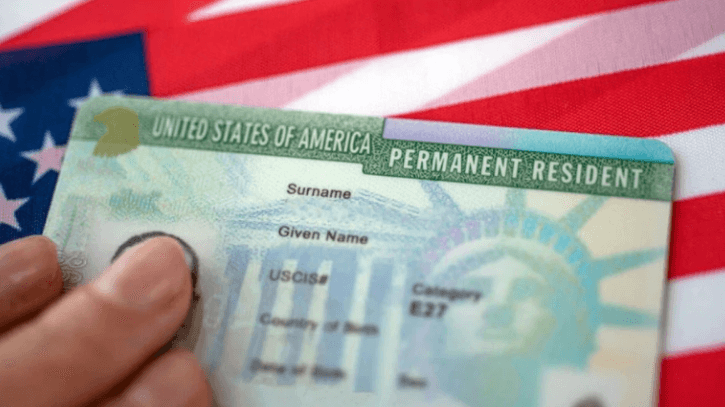

Quick Answer
Green card holders have unrestricted work authorization including self-employment. You can freelance, consult, start LLC or corporation, and work for any client without immigration concerns. No employer sponsorship needed. Register business with state, get EIN from IRS, pay self-employment taxes, and maintain records. Only restriction: if abroad too long (6+ months), may affect green card maintenance regardless of self-employment.
Key Takeaways
Green card = unrestricted work authorization including self-employment
Can freelance, consult, start any type of business
No USCIS notification or approval needed
Must pay self-employment taxes (15.3% + income tax)
Register business with state, get EIN from IRS
Long absences can affect green card regardless of business
Green Card Work Authorization
Permanent residents have same work rights as U.S. citizens except voting and federal jobs requiring citizenship. You can work for any employer without sponsorship, change jobs freely without notification, start any legal business, freelance or consult, work part-time, full-time, or multiple jobs, and be unemployed (no work requirement).
Unlike H-1B tied to specific employer, green card gives complete employment freedom.
Freelancing as Green Card Holder
You can immediately begin freelancing or consulting. No USCIS permission needed.
Getting started:
Define your services
Set rates
Find clients through networking, platforms (Upwork, Fiverr), or direct outreach
Invoice clients and collect payment
Track income and expenses for taxes
Tax considerations:
Report all freelance income on tax return
Pay quarterly estimated taxes
Self-employment tax (15.3%) for Social Security/Medicare
Deduct business expenses
Starting a Business
Green card holders can start any legal business: sole proprietorship, LLC, S-Corp, C-Corp, partnership, or nonprofit.
Steps to start business:
Choose business structure (LLC most common for small business)
Register business with state (Secretary of State)
Get EIN (Employer Identification Number) from IRS
Open business bank account
Obtain any required licenses/permits
Set up accounting system
Begin operations
No immigration forms or USCIS notification required.
Business Type | Liability Protection | Tax Treatment | Complexity |
|---|---|---|---|
Sole Proprietorship | None | Personal return | Simple |
LLC | Yes | Pass-through or Corp | Moderate |
S-Corp | Yes | Pass-through | Complex |
C-Corp | Yes | Double taxation | Complex |
Tax Obligations for Self-Employed
Self-employed individuals pay both employee and employer portions of Social Security/Medicare taxes (15.3% total) plus income tax.
Quarterly estimated taxes:
Due April 15, June 15, September 15, January 15
Estimate annual income, calculate tax, pay quarterly
Penalties for underpayment
Business deductions:
Home office (dedicated space)
Equipment and supplies
Business travel
Professional services (accountant, lawyer)
Health insurance premiums
Retirement contributions (SEP IRA, Solo 401k)
Keep meticulous records. Hire accountant experienced with self-employment taxes.
Business Bank Account and Credit
Open separate business bank account to keep personal and business finances separate. This helps with tax deduction documentation, legal liability protection, professional appearance, and easier accounting.
Most banks offer business accounts with EIN and state registration. Business credit cards build business credit history separate from personal credit.
Health Insurance Options
Self-employed green card holders need own health insurance. Options include Healthcare.gov marketplace plans, spouse's employer plan if applicable, professional association group plans, health sharing ministries, and short-term plans (limited coverage).
Health insurance premiums are tax-deductible for self-employed individuals.
Maintaining Green Card While Self-Employed
Self-employment doesn't affect green card status as long as you maintain U.S. residence (don't stay abroad 6+ months), file U.S. taxes, and don't abandon green card.
If business requires international travel, keep trips short. Extended absence for "business" doesn't protect against abandonment concerns.
Naturalization Considerations
For citizenship application, self-employment income counts toward financial stability assessment. Keep 5 years of tax returns showing consistent income. Gaps in employment are fine if you show self-employment income. IRS compliance (filed taxes, no outstanding debt) is checked.
Self-employed green card holders naturalize successfully all the time. Just maintain good records.
Hiring Employees
As green card holder business owner, you can hire employees including other immigrants needing sponsorship. You can sponsor H-1B workers for your company if you meet requirements (specialty occupation, prevailing wage, etc.).
Many immigrant entrepreneurs eventually sponsor employees for visas, becoming the sponsor rather than the sponsored.
Do I need USCIS permission to start business?
No. Green card holders have unrestricted work authorization including self-employment. No notification or approval needed.
Can I start business immediately after getting green card?
Yes. Work authorization is effective immediately upon green card approval.
What taxes do self-employed pay?
Self-employment tax (15.3% for Social Security/Medicare) plus regular income tax. Pay quarterly estimated taxes.
Can I sponsor employees for H-1B?
Yes. As business owner, you can sponsor employees for H-1B if your company meets requirements.
Does self-employment help or hurt naturalization?
Neither specifically. Just maintain proper tax records and show financial stability through income history.