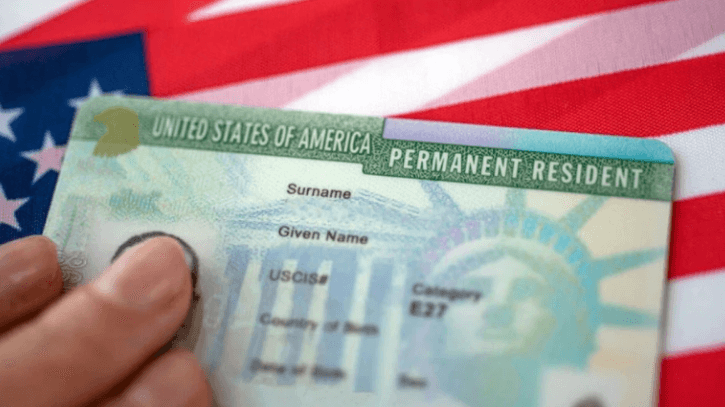

Quick Answer
Green card holders can travel internationally but must maintain U.S. as primary residence. Trips under 6 months generally safe. Trips 6-12 months raise questions at re-entry. Trips over 12 months require re-entry permit filed BEFORE leaving or risk green card abandonment. Long absences affect naturalization timeline too. Always carry green card and supporting documents showing U.S. ties when returning from international travel.
Key Takeaways
Under 6 months abroad: Generally no issues
6-12 months: May face questions, bring proof of U.S. ties
Over 12 months: Re-entry permit required (file before leaving)
Abandonment means losing permanent resident status
Long absences reset naturalization continuous residence clock
Carry proof of U.S. residence when traveling
Travel Duration Guidelines
Green card grants permanent residence, meaning U.S. is your permanent home. Extended absences suggest you've abandoned residence.
Time Abroad | Risk Level | What Happens |
|---|---|---|
Under 6 months | Low | Generally no issues at re-entry |
6-12 months | Medium | May face questioning, bring proof of ties |
Over 12 months | High | Green card may be deemed abandoned |
Over 12 months with re-entry permit | Low | Protected if permit filed before leaving |
These aren't absolute rules - CBP officers have discretion. Someone abroad 5 months with no U.S. ties may face more scrutiny than someone abroad 8 months with strong ties.
What Constitutes Abandonment
CBP and USCIS consider totality of circumstances when determining abandonment:
Factors suggesting abandonment:
Extended time abroad without re-entry permit
No U.S. home (sold/rented out property)
No U.S. employment
Filing taxes as non-resident
Family lives abroad permanently
No U.S. bank accounts or financial ties
Driver's license expired
Children enrolled in foreign schools
Factors showing intent to maintain residence:
Maintaining U.S. home
Keeping U.S. job or business
Filing U.S. taxes as resident
Family remains in U.S.
Active U.S. bank accounts
Valid U.S. driver's license
Brief, explained absences
Re-Entry Permit (Form I-131)
For planned absences over 12 months, file Form I-131 (Application for Travel Document) BEFORE leaving U.S. Re-entry permit valid for 2 years, allowing extended international travel without abandonment presumption.
Re-entry permit process:
File I-131 while physically in U.S.
Attend biometrics appointment
Receive permit (can be mailed abroad)
Travel with permit and green card
Return before permit expires
Requirements:
Must be in U.S. when filing
$575 filing fee
Biometrics required
Processing: 3-6 months
Cannot renew from abroad - must return to U.S. to file new one
Documents for International Travel
When traveling abroad as green card holder, carry valid passport from home country, green card, proof of U.S. residence (utility bills, lease, mortgage), U.S. tax returns, employment letter (if employed), family information (spouse/children in U.S.), and trip purpose documentation.
Be prepared to explain extended trips. "Caring for sick parent" with documentation is better than no explanation.
What Happens at Re-Entry
Most re-entries are routine. Officer scans green card, asks few questions, stamps passport.
Questions you may face:
"How long were you abroad?"
"Where do you live in U.S.?"
"Are you employed in U.S.?"
"Why were you abroad so long?"
Answer honestly. Lying to CBP officer is serious offense.
If officer suspects abandonment, you may be sent to secondary inspection, asked to sign I-407 (voluntarily relinquishing green card), or placed in removal proceedings (you can contest and keep green card).
Never sign I-407 if you want to keep green card. You have right to contest abandonment before immigration judge.
Impact on Naturalization
Extended absences affect citizenship eligibility. Naturalization requires continuous residence (not broken by trips over 6 months) and physical presence (actually being in U.S. for required time).
Trip effects:
Under 6 months: No break in continuous residence
6-12 months: Rebuttable presumption of break (can overcome with evidence)
Over 12 months: Breaks continuous residence, must restart count
If planning to naturalize, limit trips under 6 months and ensure cumulative physical presence meets requirements (30 months of 5 years typically).
Working Abroad on Green Card
Green card holders can work abroad temporarily while maintaining residence. However, extended foreign employment suggests foreign residence.
Keep U.S. home, file U.S. taxes, maintain U.S. financial accounts, and return regularly (every few months). If working abroad permanently, you're likely abandoning green card.
Can I stay abroad 6 months every year repeatedly?
Technically possible but risky. Pattern of maximum absences suggests foreign residence. CBP may eventually question your intent.
What if I must stay abroad longer due to emergency?
Document the emergency (medical records, court documents). Emergencies are considered when evaluating abandonment, but don't guarantee protection.
Do I need re-entry permit for trips under 12 months?
Not required but recommended for trips 6-12 months. Provides stronger protection if questioned at re-entry.
What happens if green card is deemed abandoned?
You lose permanent resident status. Can apply for new immigrant visa from abroad, but no guarantee of approval.
Can I appeal abandonment determination?
Yes. You have right to hearing before immigration judge to contest abandonment. Don't sign I-407 if you want to keep status.