
Quick Answer
After green card approval, receive physical card by mail (2-4 weeks), update Social Security records, notify employer of new status, register for Selective Service if male 18-25, update driver's license, and begin tracking time for citizenship eligibility (5 years typically). You can now work for any employer, travel freely (but maintain U.S. residence), and access most benefits. Protect status by not abandoning residence, avoiding deportable crimes, and filing taxes annually.
Key Takeaways
Physical card arrives by mail 2-4 weeks after approval
Update SSA records to remove work restrictions
Can work anywhere without sponsorship
Can travel internationally (maintain U.S. residence)
Track time for citizenship eligibility (5 years)
Protect status: avoid crimes, file taxes, maintain residence
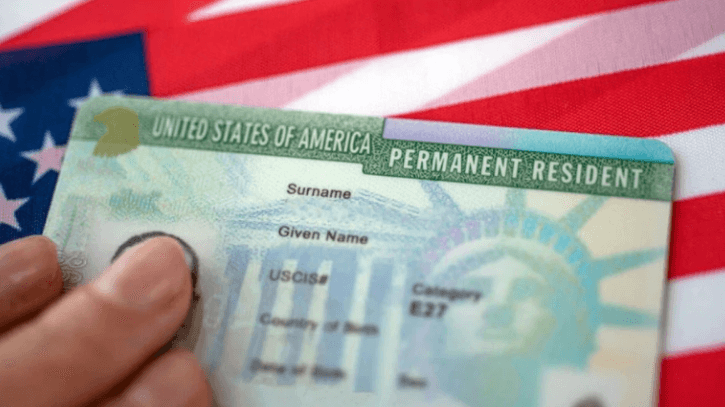
Receiving Your Green Card
After I-485 approval or entering U.S. with immigrant visa, green card is mailed to your address within 2-4 weeks.
If card doesn't arrive:
Check case status online
Verify address with USCIS
Contact USCIS after 30 days
Request replacement if lost in mail
Keep green card safe. Carry it when traveling internationally. Make copies for your records.
Immediate To-Do List
Week 1:
Update Social Security records (visit SSA office with green card)
Notify employer of new status
Register for Selective Service (males 18-25)
Month 1:
Update driver's license at DMV
Update address with USCIS if you move (AR-11)
Review tax obligations
Ongoing:
File taxes annually
Maintain U.S. residence
Track continuous residence for citizenship
Updating Social Security
Visit Social Security office with green card and passport. SSA updates records to remove work restrictions. New card mailed (2-3 weeks) showing unrestricted work authorization.
This update ensures employer's E-Verify checks show permanent resident status without restrictions.
Employment Freedom
As permanent resident, you can work for any employer without sponsorship, change jobs anytime without notification, work multiple jobs, start business or freelance, and work in most government jobs (some require citizenship).
No more H-1B transfers, employer dependency, or work authorization concerns.
Previous Status | Green Card Status |
|---|---|
Work for sponsored employer only | Work anywhere |
Need visa transfer to change jobs | Change jobs freely |
Limited to approved occupation | Any occupation |
Work authorization expires | Permanent (10-year card renewal) |
Travel Freedom
Green card allows international travel without visa for re-entry. However, you must maintain U.S. as primary residence.
Travel guidelines:
Trips under 6 months: Generally no issues
Trips 6-12 months: May face questions at border
Trips over 12 months: Risk abandonment (get re-entry permit first)
Carry green card when traveling internationally. If card expires while abroad, visit U.S. consulate for travel document.
Selective Service Registration
Males 18-25 must register for Selective Service within 30 days of becoming permanent resident. Register online at sss.gov. Failure to register can affect citizenship application later.
Tracking Time for Citizenship
Citizenship eligibility requires 5 years as permanent resident (3 years if married to U.S. citizen), continuous residence (no trips over 6 months), physical presence (at least half of required period), and good moral character.
Start tracking:
Date of green card approval
All international trips (departure and return dates)
Any address changes
Any legal issues
Can apply for citizenship 90 days before meeting 5-year requirement.
Protecting Your Status
Green card can be lost through abandonment, deportable crimes, fraud, or failure to remove conditions (conditional green card).
Avoid:
Extended absences from U.S. (6+ months)
Criminal convictions (especially aggravated felonies)
Immigration fraud
Failure to file taxes
Voting in elections (citizens only)
Conditional Green Card (Marriage-Based)
If green card was through marriage less than 2 years old, you received 2-year conditional green card. Must file I-751 to remove conditions 90 days before expiration.
I-751 requirements:
File jointly with spouse (exceptions if divorced, abuse, etc.)
Evidence marriage is genuine
Filing fee
Processing: 12-24 months
Failure to file I-751 results in loss of status.
Tax Obligations
Permanent residents are U.S. tax residents. File annual tax returns reporting worldwide income, report foreign bank accounts (FBAR if over $10,000), and report foreign assets (FATCA if over $50,000).
Failure to file taxes can affect citizenship application and potentially green card status.
Green Card Renewal
Green card valid 10 years (2 years if conditional). File I-90 to renew before expiration. $455 filing fee. Processing: 6-12 months. You remain permanent resident even if card expires - card is just proof of status.
When can I apply for citizenship?
5 years after green card approval (3 years if married to U.S. citizen). Can apply 90 days early.
Can I lose green card?
Yes, through abandonment (extended absence), deportable crimes, fraud, or failure to remove conditions.
Do I need to notify USCIS about job changes?
No. Unlike H-1B, green card holders can change jobs without notification.
What if I'm outside U.S. when green card expires?
Visit U.S. consulate for returning resident visa or travel letter. Expired card doesn't mean expired status.
Can I vote as permanent resident?
No. Only U.S. citizens can vote in federal elections. Voting illegally can result in deportation.