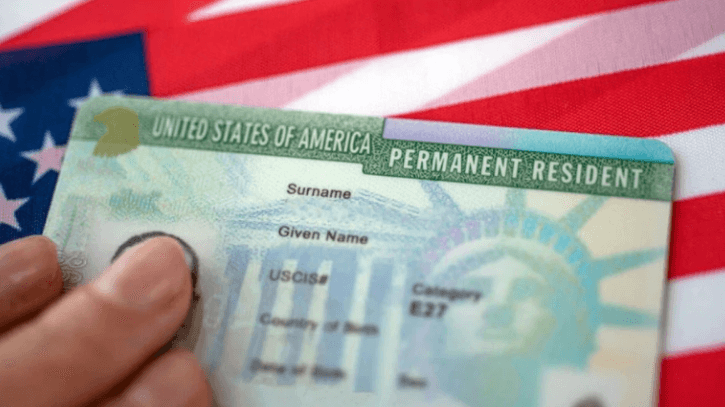
When to Naturalize: Citizenship Decision Beyond Legal Eligibility
Meeting the 5-year eligibility for citizenship doesn't mean you must naturalize immediately. Here's how to decide when citizenship makes sense for your situation.
Meeting the 5-year eligibility for citizenship doesn't mean you must naturalize immediately. Here's how to decide when citizenship makes sense for your situation.
You can apply for U.S. citizenship after 5 years as permanent resident (3 years if married to citizen). But eligibility doesn't mean you must apply immediately.
Consider career needs (security clearances, federal jobs), travel convenience, voting rights, family immigration benefits, and dual citizenship rules. Many wait years after eligibility before naturalizing.
Key Takeaways
Eligible after 5 years as permanent resident (3 if married to citizen)
Citizenship required for security clearances and many federal jobs
U.S. passport enables visa-free travel to 180+ countries
Can sponsor parents and siblings as citizen (not as permanent resident)
Some countries don't allow dual citizenship requiring you to renounce
Naturalization is one-way decision you can't reverse
Table of Content
Basic Eligibility Requirements
To naturalize you must be permanent resident for 5 years (or 3 years if married to U.S. citizen), be physically present in U.S. for at least half that time, demonstrate continuous residence, be able to read, write, and speak basic English, pass civics test, and demonstrate good moral character.
These are minimum requirements. Meeting them doesn't mean you must apply immediately. Many permanent residents wait years or decades before naturalizing. Some never naturalize at all.
Career Related Reasons to Naturalize
Certain career paths require U.S. citizenship. Security clearances (Secret, Top Secret, SCI) required for defense and intelligence work typically require citizenship. Most federal government jobs require citizenship. Some state and local government positions require citizenship. Access to classified information requires citizenship regardless of employer.
If your career trajectory leads toward these fields, naturalize sooner. Waiting means missing opportunities. For defense contractors, researchers on classified projects, or those interested in federal service, citizenship is career necessity.
Other careers have no citizenship requirement. Tech, finance, consulting, healthcare, and most private sector jobs are accessible to permanent residents. If your field has no citizenship requirement and you have no immediate need for it, you can wait.
Travel and Convenience Benefits
U.S. passport enables visa-free or visa-on-arrival travel to 180+ countries. Your home country passport may offer less access, requiring visa applications for many destinations. U.S. passport simplifies international travel enormously.
Green card holders must maintain U.S. residency, returning regularly and avoiding trips over 6 months. U.S. citizens can live abroad indefinitely without losing status. If you anticipate extended international travel, caring for aging parents abroad, or potential return to home country for periods, citizenship provides flexibility green card doesn't.
Family Immigration Benefits
Green card holders can petition for spouses and unmarried children only. Wait times are long (years). U.S. citizens can petition for spouses, children (married and unmarried), parents, and siblings. Parent petitions have no wait time. Sibling petitions have long waits (10+ years) but at least the option exists.
If you want to bring parents to U.S., citizenship is necessary. Many immigrants naturalize primarily to sponsor parents. If your parents are aging and you want them near you in later years, factor this into timing decision.
Dual Citizenship Considerations
Country
Allows Dual Citizenship?
India
No (technically)
China
No
Japan
No
South Korea
Limited circumstances
Mexico
Yes
Brazil
Yes
Canada
Yes
UK
Yes
Germany
Limited circumstances
Philippines
Yes
Many countries don't allow dual citizenship. India technically prohibits it but offers OCI (Overseas Citizen of India) status providing most benefits of citizenship except voting. China requires renunciation. Japan requires choosing one citizenship.
If your home country requires renunciation, becoming U.S. citizen means giving up home country citizenship. This is emotional decision with practical implications: losing right to own certain property in home country, losing automatic right to live/work there, complicating inheritance issues, and emotional loss of formal connection.
Research your specific country's rules carefully before naturalizing. Understand what you'll lose and whether alternative statuses (like OCI) mitigate losses.
Political and Civic Participation
U.S. citizens can vote in all elections, run for political office (except President, requires natural-born citizenship), serve on juries, and fully participate in democracy. Permanent residents cannot vote or run for office.
If you care deeply about American politics and want voice through voting, citizenship is necessary. Many immigrants naturalize specifically to vote. Others feel less connection to American political system and don't prioritize voting rights.
Timing Considerations
Reasons to naturalize soon after eligibility:
Career requires security clearance or federal employment
Want to sponsor parents to move to U.S.
Plan extensive international travel
Strong desire to vote in elections
Home country allows dual citizenship easily
Reasons to wait:
No immediate career or family need
Home country requires renunciation and you're not ready
Want to maintain flexibility about long-term plans
Citizenship application fees are burden ($725 currently)
Waiting for reciprocity in home country citizenship rules
The Naturalization Process
Once you decide to apply, process takes 8-12 months typically. You file N-400 application with $725 fee, attend biometrics appointment, study for civics test (100 questions, tested on 10), pass English and civics test at interview, and take oath of allegiance at naturalization ceremony.
Preparation is straightforward. Civics questions are public information. Study guides are available. English test is basic reading and writing. Most applicants pass easily.