Dating and Marriage as an Immigrant: Cross-Cultural Relationships
Dating and marriage in America involves navigating cultural differences, family expectations, and immigration implications. Here's what you need to know about relationships and visa status.
Dating and marriage in America involves navigating cultural differences, family expectations, and immigration implications. Here's what you need to know about relationships and visa status.
Cross-cultural dating involves navigating different expectations around courtship, commitment timelines, family involvement, and marriage itself. Marrying a U.S. citizen provides path to green card but USCIS scrutinizes quick marriages for fraud.
Maintain separate immigration path through work to avoid dependency. Cultural conflicts with family are common when dating outside your background. Communication, patience, and compromise are essential for success.
Key Takeaways
Marriage to U.S. citizen provides green card path but faces fraud scrutiny if quick
Maintain independent work-based immigration path when possible
Cultural differences in dating expectations create relationship challenges
Family acceptance issues are common in intercultural relationships
USCIS interviews test relationship authenticity for marriage-based green cards
Table of Content
Understanding Cross-Cultural Dating Dynamics
Dating in America operates differently than in many other cultures. Americans typically date casually and non-exclusively before becoming serious, while many cultures expect exclusivity from the first date. American dating emphasizes individual choice and romantic love, while many cultures involve family heavily in partner selection. Physical intimacy progresses faster in American dating culture, which can feel uncomfortable for those from more conservative backgrounds.
These differences create confusion and conflict in cross-cultural relationships. An American partner might expect you to introduce them to your family after a few months, not understanding that in your culture this signals serious marriage intention. Your family might expect involvement in your dating choices, which American partners view as inappropriate parental interference. Communication about these different expectations is crucial from the start.
Religious differences add another layer of complexity. If you're Muslim, Hindu, or from another religious background, your American partner may not understand the importance of religious practices or dietary restrictions. Discuss these topics early rather than assuming your partner will naturally adapt.
The Marriage-Based Green Card Path
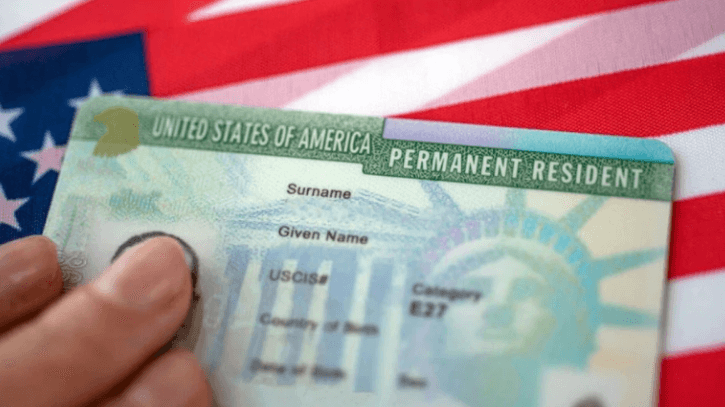
Marrying a U.S. citizen provides the most direct path to permanent residency. U.S. citizens can petition for spouses immediately with no waiting period. The process takes 12-18 months typically. You receive conditional green card valid for two years, then file to remove conditions and get permanent green card.
However, USCIS heavily scrutinizes marriage-based green cards for fraud. Quick marriages (dating less than a year before marriage) face particular suspicion. Age gaps, different cultural backgrounds, and previous visa denials all trigger additional scrutiny. USCIS conducts interviews asking detailed questions about your relationship, daily life together, and future plans. They're looking for evidence the marriage is genuine, not just for immigration benefit.
What USCIS examines:
How you met and relationship timeline
Details of proposal and wedding
Knowledge of each other's daily routines, preferences, family
Joint financial accounts, lease, shared bills
Photos together across time
Statements from friends and family who know you as couple
Prepare thoroughly for these interviews by gathering extensive documentation of genuine relationship. Never enter marriage primarily for immigration benefit, as fraud carries serious consequences including permanent bar from U.S.
Maintaining Independent Immigration Path
While marriage to U.S. citizen or permanent resident helps immigration, don't let it become your only path. Maintain your work-based visa and pursue employment-based green card independently when possible. This protects you if relationship ends and prevents unhealthy power dynamics where immigration status depends entirely on spouse.
Some immigrants feel trapped in unhappy or abusive marriages because leaving means losing immigration status. Having independent work authorization and green card process prevents this vulnerability. Continue building your career, maintaining your own income, and pursuing EB-1A, NIW, or employer-sponsored green card even if marriage-based option exists.
Family Acceptance Challenges
One of the biggest challenges in cross-cultural relationships is family acceptance. Your family may disapprove of you dating or marrying outside your culture, religion, or ethnicity. This disapproval creates immense stress as you try to honor your parents while choosing your own partner. Some families issue ultimatums: choose your partner or your family. Others engage in emotional manipulation, guilt-tripping, or cultural shaming.
American partners often don't understand the weight of family disapproval in collectivist cultures. They may say "you're an adult, make your own choice" without grasping that in your culture, defying family carries consequences beyond just disappointing your parents. You risk ostracism from extended family, community judgment, and deep cultural shame.
Navigate this by introducing partner gradually, finding allies within family, emphasizing positive qualities your family values, and giving family time to adjust. Some families come around eventually, while others never fully accept intercultural marriages. You must decide what compromises you can live with.
Cultural Conflicts Within Relationships
Even when both partners are committed, cultural differences create ongoing challenges. Expectations around household roles, money management, parenting styles, and family involvement differ dramatically across cultures. What seems normal to you may seem controlling or strange to your partner, and vice versa.
Common cultural conflict areas:
How much financial support to send to parents abroad
Multi-generational living expectations
Gender roles in household and parenting
Religious practices and children's religious upbringing
How much time to spend with each partner's family
Communication styles (direct vs. indirect)
Address these differences proactively through open discussion, seeking to understand rather than judge each other's perspectives. Consider couples counseling with a therapist experienced in cross-cultural relationships. These professionals can help you navigate cultural differences constructively.
Immigration Fraud Concerns
Red Flag to USCIS
How to Address
Quick marriage
Provide extensive documentation of genuine relationship
Large age gap
Show common interests, relationship progression
No shared language fluency
Demonstrate communication methods that work
Sparse documentation
Gather photos, joint accounts, travel records
Inconsistent interview answers
Prepare together, be honest
USCIS looks for genuine marriages, not perfect ones. Couples with age gaps, language barriers, or quick timelines can still succeed by providing compelling evidence of genuine relationship.
Dating itself doesn't affect status, but marriage does. Maintain valid work visa while dating. Marriage to U.S. citizen or permanent resident opens green card path but requires careful documentation of genuine relationship.
How long should we date before marriage to avoid fraud suspicion?
No magic number, but dating 1-2 years before marriage faces less scrutiny than marriages after a few months. Focus on building genuine relationship with documentation rather than arbitrary timeline.
What if my family disowns me for marrying outside my culture?
This is deeply painful but unfortunately common. Some families eventually come around with time. Others never fully accept. Consider therapy to process this loss and build support system outside family.
Can I get green card if my partner is permanent resident, not citizen?
Yes, but process is slower with longer wait times. Citizens can petition spouses immediately, while permanent resident petitions face backlogs of 2-3 years currently.
What happens to my green card if we divorce?
If divorce happens before removing conditions (within first 2 years), you can file waiver showing marriage was genuine. After permanent green card, divorce doesn't affect immigration status.