The Immigrant Parent's Dilemma: Bringing Aging Parents vs Caregiving
Your parents are aging while you're in America. Should you sponsor them for green cards, manage long-distance caregiving, or return home? Here's how to decide.
Your parents are aging while you're in America. Should you sponsor them for green cards, manage long-distance caregiving, or return home? Here's how to decide.
Sponsoring aging parents requires U.S. citizenship, involves 12-24 month process, and makes you financially responsible. Parents get Medicare at 65 but only after 5 years as permanent residents.
Alternatives include long-term visitor visas, hiring local caregivers, or rotating care with siblings. Decision depends on parents' health, your finances, and cultural expectations.
Key Takeaways
You must be U.S. citizen to sponsor parents
Sponsorship takes 12-24 months and requires income 125% above poverty line
Parents need health insurance for first 5 years before Medicare
Long-distance caregiving is draining but sometimes optimal
Start planning years before health crisis
Table of Content
Understanding Parent Sponsorship
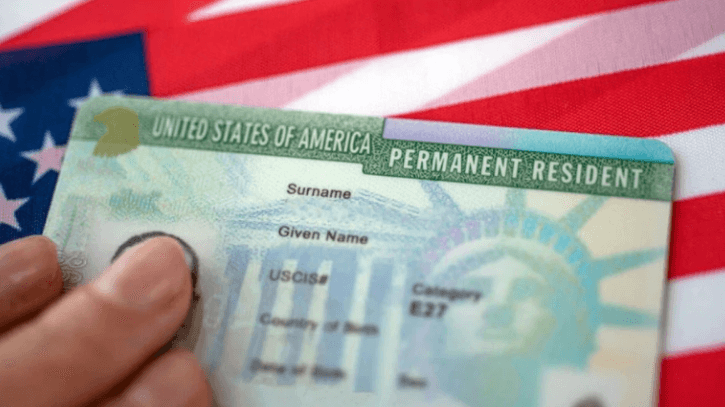
The most direct path requires you to be U.S. citizen first. Green card holders cannot sponsor parents. Once citizen, you file I-130 petitions taking 12-24 months. You become financially responsible through I-864 Affidavit of Support, legally obligating you to support parents at 125% of poverty line. This responsibility continues until parents become citizens, leave U.S., die, or work 40 qualifying quarters.
Beyond initial sponsorship, ongoing financial responsibilities are significant. Parents over 65 aren't eligible for Medicare until they've been permanent residents for five years. Private health insurance for 65-70 year-olds costs $500-$1,000 per month per person. You'll likely support them fully for years.
The Healthcare Challenge
Healthcare represents the most significant challenge. During first five years, they don't qualify for Medicare, leaving you responsible for healthcare costs. A single hospitalization without insurance can cost $50,000-$200,000. After five years, parents become eligible for Medicare, but five years is long time.
Healthcare costs:
Private insurance: $500-$1,000/month per person
Visitor insurance: $200-$400/month with limited coverage
Out-of-pocket costs: Potentially catastrophic
Medicare after 5 years: Much more affordable
Consider that healthcare in your home country may be adequate and affordable. India, Thailand, and many other countries offer quality private healthcare at fraction of U.S. costs.
Cultural Expectations vs Reality
Many cultures expect adult children to care for aging parents. American culture emphasizes independence, with elderly often preferring separate living. These conflicting norms create internal conflict. Your parents may expect you to bring them and care for them in your home. Your American-raised children may find this strange. Your spouse may have different expectations about privacy and nuclear family independence.
There's no perfect solution satisfying everyone. You must make decision based on specific circumstances, parents' preferences, and what's sustainable long-term for your family.
Long-Distance Caregiving Strategies
For many immigrants, long-distance caregiving becomes the practical solution. Hire reliable local caregivers in your home country providing daily assistance. Set up regular video calls, ideally daily, to monitor wellbeing. Install medical alert systems and smart home devices.
Long-distance essentials:
Reliable local caregiver managing daily needs
Daily video calls maintaining connection
Medical alert system for emergencies
Banking systems you can manage remotely
Emergency fund for unexpected crises
Coordinate with siblings on responsibilities and costs. Plan for emergency trips home by maintaining passport validity and credit available for last-minute flights.
Alternative Housing Arrangements
Bringing parents permanently isn't the only option. Some families use long-term tourist visas allowing parents to spend six months per year in America. B-2 tourist visas typically allow six-month stays with possible extension. Parents can visit for extended periods, helping with grandchildren while maintaining connections in home country.
For families with siblings in home country, coordinated care arrangements work well. You provide financial support from America while siblings provide hands-on care. Formalize these arrangements with clear financial agreements preventing resentment.
Decision-Making Framework
Factor
Bring to U.S.
Long-Distance Care
Best for
Healthy parents, significant resources
Parents managing with support
Cost
Very high
Moderate
Career impact
Can continue
Can continue with challenges
Healthcare
Excellent but expensive
Adequate in home country
The decision isn't permanent. Many families start with extended visits, transition to long-distance caregiving, and make different choices as situations evolve. Start planning years before crisis rather than making rushed emotional decisions during medical emergency.
Have honest conversations with parents about their preferences. Some elderly prefer staying in familiar environment rather than relocating where they'd be isolated and dependent.
Can green card holder sponsor parents? No. You must be U.S. citizen to sponsor parents for green cards.
How long does parent sponsorship take? 12-24 months from filing I-130 to parents receiving green cards.
What if I can't afford health insurance for parents? Consider leaving them in home country with good local healthcare rather than bringing without coverage.
Can parents work after getting green cards? Legally yes, but age and language barriers often prevent employment.
How do I manage guilt about not bringing parents? Provide excellent long-distance care and visit regularly. Quality of care matters more than proximity.