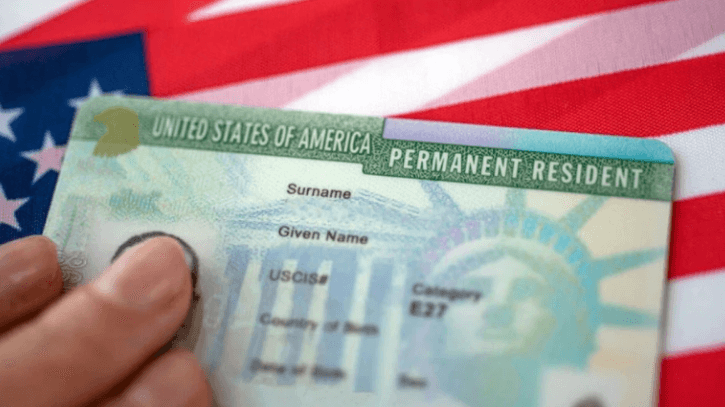

Quick Answer
The EB-1C category provides green cards to multinational executives and managers transferred by qualifying corporate employers. According to USCIS EB-1C requirements, the worker must have been employed abroad in an executive or managerial capacity for at least one year within the three years preceding the petition (or before entering the U.S. in nonimmigrant status). The U.S. employer must be a qualifying organization (parent, subsidiary, branch, or affiliate of the foreign company) that has been doing business in the U.S. for at least one year. The position offered must be executive or managerial in nature. EB-1C does not require labor certification (PERM).
Key Takeaways
EB-1C is for executives and managers of multinational companies.
One year of qualifying employment abroad with related entity required.
U.S. company must be qualifying entity doing business for at least 1 year.
No PERM labor certification required.
Often filed for L-1A workers seeking permanent status.
"Executive" and "managerial" capacities have specific definitions.
Generally faster than EB-2 or EB-3 for most countries.
Table of Content
Who Qualifies for EB-1C?
EB-1C has specific corporate and worker requirements:
Worker requirements:
Worked abroad for qualifying foreign employer for at least 1 continuous year within past 3 years
Worked in executive or managerial capacity
Coming to U.S. to work in executive or managerial capacity
The petitioning U.S. employer must be qualifying entity
Corporate requirements:
U.S. employer must be qualifying corporate entity
U.S. company must have been doing business for at least 1 year
Qualifying relationship with foreign employer (parent, subsidiary, branch, affiliate)
Both U.S. and foreign entities must continue active operations
What Are Qualifying Corporate Relationships?
Specific corporate relationships qualify for EB-1C:
Parent and subsidiary: U.S. company is parent of foreign or vice versa. Ownership requirements typically more than 50%.
Affiliates: Companies sharing common ownership and control by same parent or individuals.
Branch offices: Same legal entity operating in different countries (different from subsidiary).
Joint ventures: Specific joint ventures may qualify in certain circumstances.
Examples of qualifying structures:
Multinational corporation with foreign and U.S. subsidiaries
Foreign company with wholly-owned U.S. branch
Companies under common ownership by holding company
Sister companies controlled by same shareholders
What Doesn't Qualify as Multinational Relationship?
Some relationships don't qualify:
Independent companies with similar names: Without ownership or control connections.
Strategic partnerships: Without ownership or control elements.
Customer-supplier relationships: Without corporate ownership ties.
License or franchise arrangements: Without corporate control.
Shell entities created solely for immigration: Must be genuine business relationships.
The relationship must reflect real corporate ownership and control, not just business cooperation.
What Are Executive and Managerial Capacities?
EB-1C has specific definitions for executive and managerial roles:
Executive capacity (managing the organization):
Directs management of organization or major component
Establishes goals and policies of organization
Has wide latitude in decision-making
Receives only general supervision from higher executives, board, or stockholders
Managerial capacity (managing operations):
Manages organization, department, or function
Supervises and controls work of professional employees
Has authority to hire, fire, or recommend such actions
Exercises discretion over day-to-day operations
Must manage essential function or organizational unit, not just supervise basic workers
What Are Common EB-1C Qualifying Roles?
Examples of qualifying executive and managerial positions:
Executive positions:
CEO, COO, CFO, CTO
President, Vice President
Managing Director
Country Manager
Division Director
Managerial positions:
Department Manager (managing professional staff)
Project Manager (with significant authority)
Branch Manager
Functional Manager
Senior Manager
What doesn't qualify:
First-line supervisors of routine workers
Team leaders without management authority
Working professionals labeled "manager" without actual managerial duties
Functional roles without supervisory authority
The actual duties matter more than the job title.
How Does EB-1C Compare to L-1A?
L-1A and EB-1C are closely related. L-1A is nonimmigrant temporary status while EB-1C is immigrant permanent. L-1A maximum stay is 7 years while EB-1C provides permanent residence. Both use the same executive/managerial standard. Neither allows self-petition. Neither requires labor certification. Both have premium processing available.
Most L-1A workers eventually pursue EB-1C as their permanent residence pathway because the standards align closely.
What Is the L-1A to EB-1C Transition?
L-1A workers commonly transition to EB-1C:
Why this transition is common:
Same employer continues sponsorship
Same executive/managerial role
Standards essentially align
L-1A maximum is 7 years, requiring permanent status pursuit
Process: 1. Worker enters U.S. on L-1A 2. Works in executive/managerial role for U.S. employer 3. Employer files I-140 EB-1C petition during L-1A status 4. Worker pursues green card based on approved EB-1C
Timing strategy:
File EB-1C early to avoid timing issues
Maintain L-1A status during processing
Plan for adjustment of status or consular processing
Can You Pursue EB-1C Without L-1A?
Yes. EB-1C doesn't require prior L-1A status:
Eligibility based on foreign employment: The 1-year qualifying employment must be abroad, not necessarily on L-1A in the U.S.
Direct EB-1C without L-1A: Possible if you've worked at the foreign affiliate for at least one continuous year.
Strategic considerations: Many companies start with L-1A and transition to EB-1C, but direct EB-1C is also viable.
How Do You Apply for EB-1C?
The EB-1C application process:
Step 1: U.S. employer prepares petition: Employer gathers required documentation.
Step 2: File Form I-140: With EB-1C classification and supporting evidence.
Step 3: USCIS adjudication: Approval, RFE, or denial. Premium processing available.
Step 4: I-140 approval: Establishes priority date and classification.
Step 5: I-485 filing or consular processing: When priority date is current.
Step 6: Green card receipt: Upon adjustment or consular processing approval.
What Documentation Is Required?
Comprehensive documentation supports EB-1C:
Corporate relationship evidence:
Articles of incorporation (both U.S. and foreign)
Stock certificates showing ownership
Tax returns showing corporate structure
Organizational charts
Annual reports
Foreign employment evidence:
Foreign employer letter detailing position, duties, and dates
Pay records and tax documents
Corporate organizational charts showing position level
Contracts demonstrating responsibilities
U.S. employment evidence:
Job offer letter detailing executive/managerial duties
U.S. company information establishing qualifying status
U.S. organizational chart showing position
Job description with managerial elements
Worker qualifications:
Curriculum vitae
Education credentials
Career progression documentation
What Is the EB-1C Wait Time?
Wait times vary by country of birth:
Most countries: EB-1C priority dates are typically current or close to current.
India and China: Significant backlogs in recent years, similar to EB-2 patterns.
Wait time factors:
Visa demand from country of birth
USCIS adjudication backlogs
Visa bulletin movement
Currently typical timeline:
I-140 processing: 4 to 8 months (15 business days with premium)
Visa availability: Variable by country
Adjustment or consular processing: 8 to 14 months
Plan for 1 to 3+ years total timeline depending on country and current bulletins.
How Has EB-1C Wait Time Changed?
Recent trends in EB-1C waits:
Pre-2017: Generally current for all countries.
2017-2020: Increasing waits for India and China.
2020-present: Significant retrogression for India and China; current for most other countries.
Future expectations: Wait times depend on visa demand and any policy changes.
Monitor Visa Bulletin for current EB-1C dates.
What Are Common EB-1C Issues?
Several issues commonly affect EB-1C cases:
Inadequate executive/managerial documentation: Position descriptions don't clearly establish qualifying capacity.
Corporate relationship issues: Documentation of qualifying relationship insufficient.
Foreign employment documentation gaps: Insufficient evidence of foreign work or qualifying capacity abroad.
Job duties analysis: USCIS scrutinizes whether actual duties match executive/managerial standards.
Small company challenges: Smaller companies sometimes face additional skepticism about whether they have genuine multinational structure.
How Do You Address Documentation Challenges?
Strong EB-1C cases address common issues:
Comprehensive job descriptions: Detail specific executive/managerial duties with examples.
Organizational charts: Show clear hierarchy and reporting structure.
Corporate records: Comprehensive ownership and control documentation.
Subordinate employee documentation: Show professional employees managed by EB-1C beneficiary.
Decision-making evidence: Documentation of significant business decisions made by beneficiary.
Financial responsibility evidence: Budget authority, contract authority, etc.
Who Qualifies for EB-1C?
EB-1C has specific corporate and worker requirements:
Worker requirements:
Worked abroad for qualifying foreign employer for at least 1 continuous year within past 3 years
Worked in executive or managerial capacity
Coming to U.S. to work in executive or managerial capacity
The petitioning U.S. employer must be qualifying entity
Corporate requirements:
U.S. employer must be qualifying corporate entity
U.S. company must have been doing business for at least 1 year
Qualifying relationship with foreign employer (parent, subsidiary, branch, affiliate)
Both U.S. and foreign entities must continue active operations
What Are Qualifying Corporate Relationships?
Specific corporate relationships qualify for EB-1C:
Parent and subsidiary: U.S. company is parent of foreign or vice versa. Ownership requirements typically more than 50%.
Affiliates: Companies sharing common ownership and control by same parent or individuals.
Branch offices: Same legal entity operating in different countries (different from subsidiary).
Joint ventures: Specific joint ventures may qualify in certain circumstances.
Examples of qualifying structures:
Multinational corporation with foreign and U.S. subsidiaries
Foreign company with wholly-owned U.S. branch
Companies under common ownership by holding company
Sister companies controlled by same shareholders
What Doesn't Qualify as Multinational Relationship?
Some relationships don't qualify:
Independent companies with similar names: Without ownership or control connections.
Strategic partnerships: Without ownership or control elements.
Customer-supplier relationships: Without corporate ownership ties.
License or franchise arrangements: Without corporate control.
Shell entities created solely for immigration: Must be genuine business relationships.
The relationship must reflect real corporate ownership and control, not just business cooperation.
What Are Executive and Managerial Capacities?
EB-1C has specific definitions for executive and managerial roles:
Executive capacity (managing the organization):
Directs management of organization or major component
Establishes goals and policies of organization
Has wide latitude in decision-making
Receives only general supervision from higher executives, board, or stockholders
Managerial capacity (managing operations):
Manages organization, department, or function
Supervises and controls work of professional employees
Has authority to hire, fire, or recommend such actions
Exercises discretion over day-to-day operations
Must manage essential function or organizational unit, not just supervise basic workers
What Are Common EB-1C Qualifying Roles?
Examples of qualifying executive and managerial positions:
Executive positions:
CEO, COO, CFO, CTO
President, Vice President
Managing Director
Country Manager
Division Director
Managerial positions:
Department Manager (managing professional staff)
Project Manager (with significant authority)
Branch Manager
Functional Manager
Senior Manager
What doesn't qualify:
First-line supervisors of routine workers
Team leaders without management authority
Working professionals labeled "manager" without actual managerial duties
Functional roles without supervisory authority
The actual duties matter more than the job title.
How Does EB-1C Compare to L-1A?
L-1A and EB-1C are closely related. L-1A is nonimmigrant temporary status while EB-1C is immigrant permanent. L-1A maximum stay is 7 years while EB-1C provides permanent residence. Both use the same executive/managerial standard. Neither allows self-petition. Neither requires labor certification. Both have premium processing available.
Most L-1A workers eventually pursue EB-1C as their permanent residence pathway because the standards align closely.
What Is the L-1A to EB-1C Transition?
L-1A workers commonly transition to EB-1C:
Why this transition is common:
Same employer continues sponsorship
Same executive/managerial role
Standards essentially align
L-1A maximum is 7 years, requiring permanent status pursuit
Process: 1. Worker enters U.S. on L-1A 2. Works in executive/managerial role for U.S. employer 3. Employer files I-140 EB-1C petition during L-1A status 4. Worker pursues green card based on approved EB-1C
Timing strategy:
File EB-1C early to avoid timing issues
Maintain L-1A status during processing
Plan for adjustment of status or consular processing
Can You Pursue EB-1C Without L-1A?
Yes. EB-1C doesn't require prior L-1A status:
Eligibility based on foreign employment: The 1-year qualifying employment must be abroad, not necessarily on L-1A in the U.S.
Direct EB-1C without L-1A: Possible if you've worked at the foreign affiliate for at least one continuous year.
Strategic considerations: Many companies start with L-1A and transition to EB-1C, but direct EB-1C is also viable.
How Do You Apply for EB-1C?
The EB-1C application process:
Step 1: U.S. employer prepares petition: Employer gathers required documentation.
Step 2: File Form I-140: With EB-1C classification and supporting evidence.
Step 3: USCIS adjudication: Approval, RFE, or denial. Premium processing available.
Step 4: I-140 approval: Establishes priority date and classification.
Step 5: I-485 filing or consular processing: When priority date is current.
Step 6: Green card receipt: Upon adjustment or consular processing approval.
What Documentation Is Required?
Comprehensive documentation supports EB-1C:
Corporate relationship evidence:
Articles of incorporation (both U.S. and foreign)
Stock certificates showing ownership
Tax returns showing corporate structure
Organizational charts
Annual reports
Foreign employment evidence:
Foreign employer letter detailing position, duties, and dates
Pay records and tax documents
Corporate organizational charts showing position level
Contracts demonstrating responsibilities
U.S. employment evidence:
Job offer letter detailing executive/managerial duties
U.S. company information establishing qualifying status
U.S. organizational chart showing position
Job description with managerial elements
Worker qualifications:
Curriculum vitae
Education credentials
Career progression documentation
What Is the EB-1C Wait Time?
Wait times vary by country of birth:
Most countries: EB-1C priority dates are typically current or close to current.
India and China: Significant backlogs in recent years, similar to EB-2 patterns.
Wait time factors:
Visa demand from country of birth
USCIS adjudication backlogs
Visa bulletin movement
Currently typical timeline:
I-140 processing: 4 to 8 months (15 business days with premium)
Visa availability: Variable by country
Adjustment or consular processing: 8 to 14 months
Plan for 1 to 3+ years total timeline depending on country and current bulletins.
How Has EB-1C Wait Time Changed?
Recent trends in EB-1C waits:
Pre-2017: Generally current for all countries.
2017-2020: Increasing waits for India and China.
2020-present: Significant retrogression for India and China; current for most other countries.
Future expectations: Wait times depend on visa demand and any policy changes.
Monitor Visa Bulletin for current EB-1C dates.
What Are Common EB-1C Issues?
Several issues commonly affect EB-1C cases:
Inadequate executive/managerial documentation: Position descriptions don't clearly establish qualifying capacity.
Corporate relationship issues: Documentation of qualifying relationship insufficient.
Foreign employment documentation gaps: Insufficient evidence of foreign work or qualifying capacity abroad.
Job duties analysis: USCIS scrutinizes whether actual duties match executive/managerial standards.
Small company challenges: Smaller companies sometimes face additional skepticism about whether they have genuine multinational structure.
How Do You Address Documentation Challenges?
Strong EB-1C cases address common issues:
Comprehensive job descriptions: Detail specific executive/managerial duties with examples.
Organizational charts: Show clear hierarchy and reporting structure.
Corporate records: Comprehensive ownership and control documentation.
Subordinate employee documentation: Show professional employees managed by EB-1C beneficiary.
Decision-making evidence: Documentation of significant business decisions made by beneficiary.
Financial responsibility evidence: Budget authority, contract authority, etc.
Frequently Asked Questions
Does EB-1C require my company to have a specific size?
Does EB-1C require my company to have a specific size?
Can I file EB-1C without leaving the U.S.?
Can I file EB-1C without leaving the U.S.?
How is "executive" different from "manager"?
How is "executive" different from "manager"?
Can my spouse work while EB-1C is pending?
Can my spouse work while EB-1C is pending?
Does EB-1C require U.S. company size minimums?


Table of Contents
Quick Resources