Form I-9 Employment Verification: Employer Requirements and Compliance

Form I-9 Employment Eligibility Verification is required for every employee hired in the United States. Employers face significant penalties for I-9 violations, making compliance essential. Understanding proper procedures, acceptable documents, and retention requirements protects employers from costly fines. This guide explains I-9 obligations for employers of all sizes.

Form I-9 Employment Eligibility Verification is required for every employee hired in the United States. Employers face significant penalties for I-9 violations, making compliance essential. Understanding proper procedures, acceptable documents, and retention requirements protects employers from costly fines. This guide explains I-9 obligations for employers of all sizes.

Quick Answer

Form I-9 verifies employment eligibility for all employees hired after November 6, 1986. According to USCIS I-9 requirements, employers must complete Section 1 with the employee by the first day of work and complete Section 2 within three business days of the start date by examining acceptable documents. Employers must retain I-9 forms for three years after hire or one year after employment ends, whichever is later. Penalties for violations range from $252 to $2,507 per form for paperwork violations and up to $25,076 per worker for knowingly hiring unauthorized workers.

Key Takeaways

  • Every U.S. employer must complete Form I-9 for all employees, regardless of citizenship or immigration status.

  • Section 1 must be completed on or before the first day of employment.

  • Section 2 must be completed within three business days of the start date.

  • Employers must accept any valid List A document OR one List B and one List C document.

  • Employers cannot specify which documents employees must present.

  • I-9s must be retained for 3 years after hire date or 1 year after termination, whichever is later.

  • E-Verify participation is mandatory for federal contractors and some state requirements.

Table of Content

What Is Form I-9?

Form I-9 establishes that employees are authorized to work in the United States. The form documents identity and employment authorization verification.

Both U.S. citizens and noncitizens must complete Form I-9. The form applies to all employees regardless of citizenship status.

The Immigration Reform and Control Act of 1986 requires this verification. Failure to comply exposes employers to civil and criminal penalties.

Who Must Complete Form I-9?

All employers in the United States must complete Form I-9 for every employee hired after November 6, 1986.

This includes: all private sector employers, federal government employers (except certain casual domestic employment), and state and local government employers.

Independent contractors do not require I-9 completion. However, misclassifying employees as contractors creates separate legal exposure.

How Do Employers Complete Section 2?

Section 2 requires employers to physically examine original documents presented by the employee within three business days of the employment start date.

Employees choose which documents to present. Employers cannot request specific documents or reject valid documents.

Examine documents to determine whether they reasonably appear genuine and relate to the employee presenting them. Record document information in Section 2.

What Documents Are Acceptable?

Documents fall into three lists. Employees present either one List A document OR a combination of one List B and one List C document.

List A (Identity and Employment Authorization):

  • U.S. Passport or Passport Card

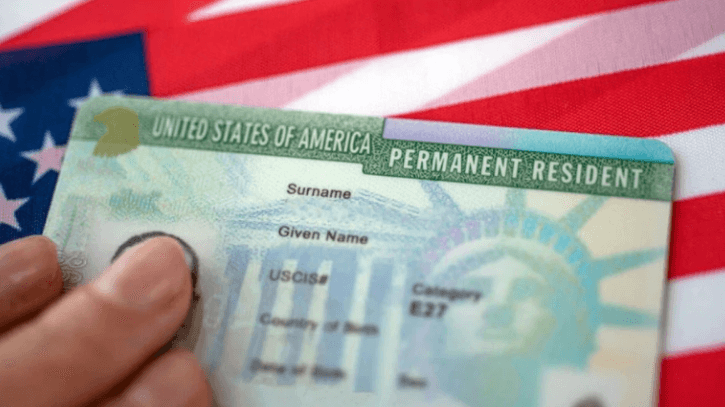
  • Permanent Resident Card (Green Card)

  • Employment Authorization Document (EAD)

  • Foreign passport with Form I-94 showing work authorization

  • Foreign passport with Form I-551 stamp

List B (Identity Only):

  • Driver's license

  • State-issued ID card

  • School ID with photograph

  • Voter registration card

  • U.S. military ID

List C (Employment Authorization Only):

  • Social Security card (unrestricted)

  • Birth certificate

  • U.S. Citizen ID Card

  • Employment authorization document issued by DHS

The complete list appears in the I-9 Instructions and on the form itself.

What Are Common I-9 Mistakes?

Over-documentation: Asking employees for specific documents or requesting more documents than required. Let employees choose what to present.

Document discrimination: Rejecting valid documents because they appear foreign or requesting "more or different" documents for some employees.

Late completion: Missing the three-day deadline for Section 2 completion.

Improper examination: Failing to examine original documents or accepting photocopies.

Retention errors: Destroying forms too early or failing to produce them for audits.

What Is Document Discrimination?

Under the anti-discrimination provision of the Immigration and Nationality Act, employers cannot:

Require specific documents when others would suffice, reject documents that reasonably appear genuine, request additional documents beyond what the form requires, or treat employees differently based on citizenship or national origin.

The Immigrant and Employee Rights Section (formerly OSC) enforces these provisions.

What About Reverification?

When employment authorization documents expire, employers must reverify work authorization before the expiration date.

Complete Section 3 of Form I-9 (or use a new I-9) to document continued employment authorization.

You only reverify List A and List C documents. List B identity documents do not require reverification.

When Is Reverification Not Required?

U.S. citizens and permanent residents never require reverification. Their employment authorization does not expire.

Automatic EAD extensions (for certain categories with pending renewals) may extend work authorization without a new EAD card. The I-9 Central automatic extensions page lists qualifying categories.

Employees who provide List A documents that do not expire (U.S. passport, permanent resident card) do not require reverification.

How Long Must You Retain I-9 Forms?

Retain I-9 forms for three years after the date of hire OR one year after employment ends, whichever is later.

Example 1: Hired January 1, 2023; terminated January 1, 2024. Three years after hire is January 1, 2026. One year after termination is January 1, 2025. Retain until January 1, 2026.

Example 2: Hired January 1, 2020; terminated January 1, 2025. Three years after hire is January 1, 2023. One year after termination is January 1, 2026. Retain until January 1, 2026.

Calculate retention dates for each employee individually.

How Should I-9s Be Stored?

I-9 forms can be stored in paper or electronic format. Either method requires quick retrieval capability for audits.

Keep I-9s separate from personnel files. This simplifies production during audits without exposing other personnel records.

Electronic storage systems must meet specific requirements including indexing, audit trail creation, and quality control standards.

What Is E-Verify?

E-Verify is an internet-based system that compares Form I-9 information to government records to verify employment authorization.

E-Verify is mandatory for: federal contractors and subcontractors with FAR E-Verify clause, employers in states with mandatory E-Verify laws, and employers hiring H-1B workers (for those workers).

Voluntary E-Verify participation provides some "safe harbor" protection for good-faith compliance with I-9 requirements.

How Does E-Verify Work?

After completing Form I-9, employers enter employee information into the E-Verify system. The system queries SSA and DHS databases.

Results include: Employment Authorized (confirmed), Tentative Nonconfirmation (TNC) requiring employee action, or DHS Verification in Process (case pending).

TNCs require notification to employees and time for them to contest results. Employers cannot take adverse action based on TNC alone.

What Are I-9 Penalties?

Civil penalties for I-9 violations have increased significantly in recent years.

Paperwork violations (technical/procedural errors): $252 to $2,507 per form.

Knowingly hiring unauthorized workers: $627 to $25,076 per worker (with increasing penalties for repeat violations).

Discrimination violations: $252 to $2,507 per individual discriminated against.

What Happens During an I-9 Audit?

Immigration and Customs Enforcement (ICE) conducts I-9 audits. Employers receive a Notice of Inspection requiring I-9 production within three business days.

ICE reviews forms for technical violations and substantive defects. Errors may be corrected during the audit period for some categories.

Following review, ICE issues findings and proposed penalties. Employers can negotiate, contest, or pay penalties.

Special Situations

Remote hiring: The COVID-19 flexibility allowing remote document examination ended. Standard in-person examination or qualified alternatives (E-Verify participating employers using authorized representatives) apply.

Rehired employees: If rehiring within three years of original I-9 completion, you may use Section 3 of the original I-9 rather than completing a new form.

Mergers and acquisitions: Acquiring companies may use existing I-9s for acquired employees if certain conditions are met.

Minors and students: Same I-9 requirements apply. Students on F-1 or J-1 visas have specific employment authorization documents.

What About Agricultural Workers?

Agricultural employers must complete I-9s for all employees, including seasonal and temporary workers.

H-2A temporary agricultural workers present specific documents. Their Form I-9 procedures align with their visa terms.

Agricultural employers face additional requirements under DOL regulations separate from I-9 obligations.

What Is Form I-9?

Form I-9 establishes that employees are authorized to work in the United States. The form documents identity and employment authorization verification.

Both U.S. citizens and noncitizens must complete Form I-9. The form applies to all employees regardless of citizenship status.

The Immigration Reform and Control Act of 1986 requires this verification. Failure to comply exposes employers to civil and criminal penalties.

Who Must Complete Form I-9?

All employers in the United States must complete Form I-9 for every employee hired after November 6, 1986.

This includes: all private sector employers, federal government employers (except certain casual domestic employment), and state and local government employers.

Independent contractors do not require I-9 completion. However, misclassifying employees as contractors creates separate legal exposure.

How Do Employers Complete Section 2?

Section 2 requires employers to physically examine original documents presented by the employee within three business days of the employment start date.

Employees choose which documents to present. Employers cannot request specific documents or reject valid documents.

Examine documents to determine whether they reasonably appear genuine and relate to the employee presenting them. Record document information in Section 2.

What Documents Are Acceptable?

Documents fall into three lists. Employees present either one List A document OR a combination of one List B and one List C document.

List A (Identity and Employment Authorization):

  • U.S. Passport or Passport Card

  • Permanent Resident Card (Green Card)

  • Employment Authorization Document (EAD)

  • Foreign passport with Form I-94 showing work authorization

  • Foreign passport with Form I-551 stamp

List B (Identity Only):

  • Driver's license

  • State-issued ID card

  • School ID with photograph

  • Voter registration card

  • U.S. military ID

List C (Employment Authorization Only):

  • Social Security card (unrestricted)

  • Birth certificate

  • U.S. Citizen ID Card

  • Employment authorization document issued by DHS

The complete list appears in the I-9 Instructions and on the form itself.

What Are Common I-9 Mistakes?

Over-documentation: Asking employees for specific documents or requesting more documents than required. Let employees choose what to present.

Document discrimination: Rejecting valid documents because they appear foreign or requesting "more or different" documents for some employees.

Late completion: Missing the three-day deadline for Section 2 completion.

Improper examination: Failing to examine original documents or accepting photocopies.

Retention errors: Destroying forms too early or failing to produce them for audits.

What Is Document Discrimination?

Under the anti-discrimination provision of the Immigration and Nationality Act, employers cannot:

Require specific documents when others would suffice, reject documents that reasonably appear genuine, request additional documents beyond what the form requires, or treat employees differently based on citizenship or national origin.

The Immigrant and Employee Rights Section (formerly OSC) enforces these provisions.

What About Reverification?

When employment authorization documents expire, employers must reverify work authorization before the expiration date.

Complete Section 3 of Form I-9 (or use a new I-9) to document continued employment authorization.

You only reverify List A and List C documents. List B identity documents do not require reverification.

When Is Reverification Not Required?

U.S. citizens and permanent residents never require reverification. Their employment authorization does not expire.

Automatic EAD extensions (for certain categories with pending renewals) may extend work authorization without a new EAD card. The I-9 Central automatic extensions page lists qualifying categories.

Employees who provide List A documents that do not expire (U.S. passport, permanent resident card) do not require reverification.

How Long Must You Retain I-9 Forms?

Retain I-9 forms for three years after the date of hire OR one year after employment ends, whichever is later.

Example 1: Hired January 1, 2023; terminated January 1, 2024. Three years after hire is January 1, 2026. One year after termination is January 1, 2025. Retain until January 1, 2026.

Example 2: Hired January 1, 2020; terminated January 1, 2025. Three years after hire is January 1, 2023. One year after termination is January 1, 2026. Retain until January 1, 2026.

Calculate retention dates for each employee individually.

How Should I-9s Be Stored?

I-9 forms can be stored in paper or electronic format. Either method requires quick retrieval capability for audits.

Keep I-9s separate from personnel files. This simplifies production during audits without exposing other personnel records.

Electronic storage systems must meet specific requirements including indexing, audit trail creation, and quality control standards.

What Is E-Verify?

E-Verify is an internet-based system that compares Form I-9 information to government records to verify employment authorization.

E-Verify is mandatory for: federal contractors and subcontractors with FAR E-Verify clause, employers in states with mandatory E-Verify laws, and employers hiring H-1B workers (for those workers).

Voluntary E-Verify participation provides some "safe harbor" protection for good-faith compliance with I-9 requirements.

How Does E-Verify Work?

After completing Form I-9, employers enter employee information into the E-Verify system. The system queries SSA and DHS databases.

Results include: Employment Authorized (confirmed), Tentative Nonconfirmation (TNC) requiring employee action, or DHS Verification in Process (case pending).

TNCs require notification to employees and time for them to contest results. Employers cannot take adverse action based on TNC alone.

What Are I-9 Penalties?

Civil penalties for I-9 violations have increased significantly in recent years.

Paperwork violations (technical/procedural errors): $252 to $2,507 per form.

Knowingly hiring unauthorized workers: $627 to $25,076 per worker (with increasing penalties for repeat violations).

Discrimination violations: $252 to $2,507 per individual discriminated against.

What Happens During an I-9 Audit?

Immigration and Customs Enforcement (ICE) conducts I-9 audits. Employers receive a Notice of Inspection requiring I-9 production within three business days.

ICE reviews forms for technical violations and substantive defects. Errors may be corrected during the audit period for some categories.

Following review, ICE issues findings and proposed penalties. Employers can negotiate, contest, or pay penalties.

Special Situations

Remote hiring: The COVID-19 flexibility allowing remote document examination ended. Standard in-person examination or qualified alternatives (E-Verify participating employers using authorized representatives) apply.

Rehired employees: If rehiring within three years of original I-9 completion, you may use Section 3 of the original I-9 rather than completing a new form.

Mergers and acquisitions: Acquiring companies may use existing I-9s for acquired employees if certain conditions are met.

Minors and students: Same I-9 requirements apply. Students on F-1 or J-1 visas have specific employment authorization documents.

What About Agricultural Workers?

Agricultural employers must complete I-9s for all employees, including seasonal and temporary workers.

H-2A temporary agricultural workers present specific documents. Their Form I-9 procedures align with their visa terms.

Agricultural employers face additional requirements under DOL regulations separate from I-9 obligations.

Frequently Asked Questions

Can I complete Form I-9 before the employee starts work?

Can I complete Form I-9 before the employee starts work?

What if an employee cannot produce documents within three days?

What if an employee cannot produce documents within three days?

Do I need to make copies of documents?

Do I need to make copies of documents?

Can I use electronic signatures on I-9?

Can I use electronic signatures on I-9?

What if I discover I-9 errors during self-audit?

Share post