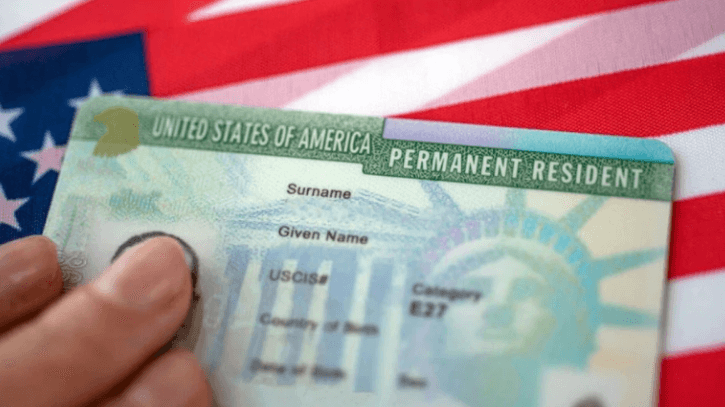
EB-5 Immigrant Investor Visa: Green Card Through Investment

The EB-5 visa program provides a path to permanent residence for foreign investors who make substantial investments in U.S. businesses that create jobs. This employment-based fifth preference category offers green cards to investors and their families without employer sponsorship. Understanding investment requirements, regional center options, and processing procedures is essential for prospective EB-5 investors.

The EB-5 visa program provides a path to permanent residence for foreign investors who make substantial investments in U.S. businesses that create jobs. This employment-based fifth preference category offers green cards to investors and their families without employer sponsorship. Understanding investment requirements, regional center options, and processing procedures is essential for prospective EB-5 investors.

Quick Answer

The EB-5 program grants green cards to foreign investors who invest at least $1,050,000 (or $800,000 in Targeted Employment Areas) in a new commercial enterprise that creates at least 10 full-time jobs for U.S. workers. According to USCIS EB-5 information, investors may invest directly in their own enterprises or through USCIS-designated regional centers. The EB-5 Modernization Rule of 2022 updated investment amounts, processing priorities, and visa availability. Investors receive conditional green cards for two years, then file to remove conditions by demonstrating job creation and sustained investment.

Key Takeaways

  • Minimum investment is $1,050,000 standard or $800,000 in Targeted Employment Areas (TEAs).

  • Investment must create at least 10 full-time jobs for U.S. workers.

  • Regional center investments allow indirect job counting; direct investments count only direct employees.

  • Investors receive two-year conditional green cards, then apply to remove conditions.

  • Investment capital must be lawfully sourced and at risk throughout the investment period.

  • Processing times vary; reserved visa categories have expedited availability.

  • Derivative family members (spouse and unmarried children under 21) receive green cards with the investor.

Table of Content

What Are the EB-5 Investment Requirements?

Two investment levels exist depending on where the investment is made:

Standard investment: $1,050,000 minimum capital investment in a new commercial enterprise.

TEA investment: $800,000 minimum capital investment in a Targeted Employment Area (high unemployment or rural areas).

The investment must be "at risk" for the purpose of generating a return. Guaranteed returns or redemption arrangements may disqualify the investment.

What Counts as Capital Investment?

Capital includes cash, equipment, inventory, tangible property, and cash equivalents. All capital must be lawfully obtained.

Investors must document the source of funds through extensive financial records tracing the money's lawful origin. This includes tax returns, business records, asset sales documentation, gifts, inheritances, and other sources.

Loans secured by the investor's personal assets can count as investment capital if the investor remains personally liable.

What Is a Targeted Employment Area?

Targeted Employment Areas (TEAs) qualify for the reduced $800,000 investment amount. Two types of TEAs exist:

High unemployment areas: Geographic areas with unemployment at least 150% of the national average.

Rural areas: Areas outside metropolitan statistical areas and outside cities with populations of 20,000 or more.

TEA determinations are made by the relevant state government agency and submitted with the EB-5 petition.

How Are TEAs Designated?

The EB-5 Modernization Rule changed TEA designation procedures. USCIS now directly determines TEA qualification for census tract-based unemployment calculations.

State-designated TEAs remain valid for unemployment-based claims using specific geographic definitions.

TEA status applies to the location of the job-creating enterprise, not the investor's residence or the regional center's headquarters.

Direct Investment vs. Regional Center Investment

Two pathways exist for EB-5 investment:

Direct investment: The investor creates or invests in their own new commercial enterprise and directly manages the business. Job creation is counted through direct employees of the enterprise.

Regional center investment: The investor invests in projects sponsored by USCIS-designated regional centers. Job creation includes direct, indirect, and induced jobs based on economic modeling.

Regional center investments are more common because they allow passive investment and easier job counting through economic impact methodology.

What Is a Regional Center?

Regional centers are entities designated by USCIS to sponsor investment projects within defined geographic areas.

Regional centers must demonstrate how their projects promote economic growth through job creation, capital investment, and improved regional productivity.

USCIS publishes a list of designated regional centers. Due diligence on regional center track record and project viability is essential before investing.

What Is the Job Creation Requirement?

Each EB-5 investor must create at least 10 full-time jobs for U.S. workers within two years (or reasonable period thereafter).

U.S. workers include citizens, permanent residents, asylees, refugees, and others authorized to work. The investor, spouse, and children do not count toward the job requirement.

Full-time means at least 35 hours per week per job. Job sharing arrangements can aggregate to meet full-time requirements.

How Are Jobs Counted?

Direct investment jobs: Only employees directly hired by the investor's enterprise count. Contractors and outsourced workers generally do not qualify.

Regional center jobs: Direct employees, plus indirect jobs (suppliers, vendors) and induced jobs (general economic impact) can count. Economic models using USCIS-approved methodology calculate total job creation.

Regional center projects often show job creation through construction activity, tenant operations, and economic multiplier effects.

How Do You Apply for EB-5?

The EB-5 process involves multiple stages:

Step 1: Form I-526E (regional center) or Form I-526 (direct): File immigrant petition demonstrating qualifying investment, lawful source of funds, job creation plan, and program eligibility.

Step 2: Conditional Green Card: After I-526 approval and visa availability, file I-485 adjustment of status (if in U.S.) or process through consular interview abroad. Receive two-year conditional permanent residence.

Step 3: Form I-829: Within 90 days before the two-year anniversary of conditional residence, file petition to remove conditions demonstrating sustained investment and job creation.

What Is Form I-526E?

Form I-526E is the immigrant petition for regional center investors under the EB-5 Reform and Integrity Act of 2022.

The form requires evidence of: qualifying investment made and at risk, lawful source of funds, new commercial enterprise, job creation plan, and regional center designation.

USCIS reviews the petition to determine whether the investor qualifies for EB-5 classification before issuing green cards.

What Are the EB-5 Processing Times?

EB-5 processing times have historically been lengthy. Recent reforms created processing priorities:

Reserved categories (rural, high unemployment, infrastructure projects) receive visa set-asides and priority processing. These may have shorter waits.

Unreserved categories join the standard EB-5 queue, which can involve multi-year waits depending on demand and country of birth.

I-526/I-526E processing currently takes 2-4+ years depending on case complexity and USCIS workload.

What Is the Visa Availability Issue?

Like other employment categories, EB-5 is subject to per-country visa limits. China and India have experienced backlogs.

The EB-5 Modernization Rule created reserved visa categories:

  • 20% for rural TEA investments

  • 10% for high unemployment TEA investments

  • 2% for infrastructure projects

Reserved category visas may be immediately available when unreserved visas are backlogged.

What Happens After Conditional Green Card Approval?

After receiving your conditional green card, you must maintain the investment and allow job creation to continue.

Within the 90-day window before your two-year conditional residence anniversary, file Form I-829 Petition to Remove Conditions on Residence.

Demonstrate: the investment was sustained throughout the conditional period, the new commercial enterprise was maintained, and the required jobs were created (or will be created within a reasonable time).

Can Investment Be Returned Before I-829 Approval?

Generally, no. Capital must remain at risk through I-829 adjudication. Premature return of capital jeopardizes the petition.

After I-829 approval, investment capital can be returned according to the terms of the investment agreement without immigration consequences.

Carefully review investment term structures before committing to ensure alignment with immigration timeline requirements.

What Are the Risks and Due Diligence Considerations?

EB-5 investments carry both immigration and financial risks. Due diligence is essential.

Immigration risks: Project failure, job creation shortfalls, or regional center problems can result in petition denial even after investment is made.

Financial risks: EB-5 investments are at-risk capital. Projects can fail, resulting in loss of investment regardless of immigration outcome.

Fraud risks: Some EB-5 projects have involved fraud. SEC, USCIS, and investor lawsuits have targeted problematic projects.

How Do You Evaluate Regional Centers?

Research regional center track record: number of petitions approved, denied, and pending; project completion history; and SEC compliance record.

Review project documents with qualified securities counsel and immigration attorneys.

Understand economic projections, job creation methodology, and exit strategies before investing.

What Are the EB-5 Investment Requirements?

Two investment levels exist depending on where the investment is made:

Standard investment: $1,050,000 minimum capital investment in a new commercial enterprise.

TEA investment: $800,000 minimum capital investment in a Targeted Employment Area (high unemployment or rural areas).

The investment must be "at risk" for the purpose of generating a return. Guaranteed returns or redemption arrangements may disqualify the investment.

What Counts as Capital Investment?

Capital includes cash, equipment, inventory, tangible property, and cash equivalents. All capital must be lawfully obtained.

Investors must document the source of funds through extensive financial records tracing the money's lawful origin. This includes tax returns, business records, asset sales documentation, gifts, inheritances, and other sources.

Loans secured by the investor's personal assets can count as investment capital if the investor remains personally liable.

What Is a Targeted Employment Area?

Targeted Employment Areas (TEAs) qualify for the reduced $800,000 investment amount. Two types of TEAs exist:

High unemployment areas: Geographic areas with unemployment at least 150% of the national average.

Rural areas: Areas outside metropolitan statistical areas and outside cities with populations of 20,000 or more.

TEA determinations are made by the relevant state government agency and submitted with the EB-5 petition.

How Are TEAs Designated?

The EB-5 Modernization Rule changed TEA designation procedures. USCIS now directly determines TEA qualification for census tract-based unemployment calculations.

State-designated TEAs remain valid for unemployment-based claims using specific geographic definitions.

TEA status applies to the location of the job-creating enterprise, not the investor's residence or the regional center's headquarters.

Direct Investment vs. Regional Center Investment

Two pathways exist for EB-5 investment:

Direct investment: The investor creates or invests in their own new commercial enterprise and directly manages the business. Job creation is counted through direct employees of the enterprise.

Regional center investment: The investor invests in projects sponsored by USCIS-designated regional centers. Job creation includes direct, indirect, and induced jobs based on economic modeling.

Regional center investments are more common because they allow passive investment and easier job counting through economic impact methodology.

What Is a Regional Center?

Regional centers are entities designated by USCIS to sponsor investment projects within defined geographic areas.

Regional centers must demonstrate how their projects promote economic growth through job creation, capital investment, and improved regional productivity.

USCIS publishes a list of designated regional centers. Due diligence on regional center track record and project viability is essential before investing.

What Is the Job Creation Requirement?

Each EB-5 investor must create at least 10 full-time jobs for U.S. workers within two years (or reasonable period thereafter).

U.S. workers include citizens, permanent residents, asylees, refugees, and others authorized to work. The investor, spouse, and children do not count toward the job requirement.

Full-time means at least 35 hours per week per job. Job sharing arrangements can aggregate to meet full-time requirements.

How Are Jobs Counted?

Direct investment jobs: Only employees directly hired by the investor's enterprise count. Contractors and outsourced workers generally do not qualify.

Regional center jobs: Direct employees, plus indirect jobs (suppliers, vendors) and induced jobs (general economic impact) can count. Economic models using USCIS-approved methodology calculate total job creation.

Regional center projects often show job creation through construction activity, tenant operations, and economic multiplier effects.

How Do You Apply for EB-5?

The EB-5 process involves multiple stages:

Step 1: Form I-526E (regional center) or Form I-526 (direct): File immigrant petition demonstrating qualifying investment, lawful source of funds, job creation plan, and program eligibility.

Step 2: Conditional Green Card: After I-526 approval and visa availability, file I-485 adjustment of status (if in U.S.) or process through consular interview abroad. Receive two-year conditional permanent residence.

Step 3: Form I-829: Within 90 days before the two-year anniversary of conditional residence, file petition to remove conditions demonstrating sustained investment and job creation.

What Is Form I-526E?

Form I-526E is the immigrant petition for regional center investors under the EB-5 Reform and Integrity Act of 2022.

The form requires evidence of: qualifying investment made and at risk, lawful source of funds, new commercial enterprise, job creation plan, and regional center designation.

USCIS reviews the petition to determine whether the investor qualifies for EB-5 classification before issuing green cards.

What Are the EB-5 Processing Times?

EB-5 processing times have historically been lengthy. Recent reforms created processing priorities:

Reserved categories (rural, high unemployment, infrastructure projects) receive visa set-asides and priority processing. These may have shorter waits.

Unreserved categories join the standard EB-5 queue, which can involve multi-year waits depending on demand and country of birth.

I-526/I-526E processing currently takes 2-4+ years depending on case complexity and USCIS workload.

What Is the Visa Availability Issue?

Like other employment categories, EB-5 is subject to per-country visa limits. China and India have experienced backlogs.

The EB-5 Modernization Rule created reserved visa categories:

  • 20% for rural TEA investments

  • 10% for high unemployment TEA investments

  • 2% for infrastructure projects

Reserved category visas may be immediately available when unreserved visas are backlogged.

What Happens After Conditional Green Card Approval?

After receiving your conditional green card, you must maintain the investment and allow job creation to continue.

Within the 90-day window before your two-year conditional residence anniversary, file Form I-829 Petition to Remove Conditions on Residence.

Demonstrate: the investment was sustained throughout the conditional period, the new commercial enterprise was maintained, and the required jobs were created (or will be created within a reasonable time).

Can Investment Be Returned Before I-829 Approval?

Generally, no. Capital must remain at risk through I-829 adjudication. Premature return of capital jeopardizes the petition.

After I-829 approval, investment capital can be returned according to the terms of the investment agreement without immigration consequences.

Carefully review investment term structures before committing to ensure alignment with immigration timeline requirements.

What Are the Risks and Due Diligence Considerations?

EB-5 investments carry both immigration and financial risks. Due diligence is essential.

Immigration risks: Project failure, job creation shortfalls, or regional center problems can result in petition denial even after investment is made.

Financial risks: EB-5 investments are at-risk capital. Projects can fail, resulting in loss of investment regardless of immigration outcome.

Fraud risks: Some EB-5 projects have involved fraud. SEC, USCIS, and investor lawsuits have targeted problematic projects.

How Do You Evaluate Regional Centers?

Research regional center track record: number of petitions approved, denied, and pending; project completion history; and SEC compliance record.

Review project documents with qualified securities counsel and immigration attorneys.

Understand economic projections, job creation methodology, and exit strategies before investing.

Frequently Asked Questions

Can my spouse and children get green cards through EB-5?

Can my spouse and children get green cards through EB-5?

Do I have to live near my investment?

Do I have to live near my investment?

Can I work at my EB-5 investment?

Can I work at my EB-5 investment?

What if my investment fails?

What if my investment fails?

How has EB-5 changed recently?

Share post