How Do You Prepare for the Interview?
Preparation begins weeks before your scheduled interview date. Thorough preparation reduces stress and improves outcomes.
Complete medical examination: Schedule your exam with a designated panel physician at least 1 to 2 weeks before your interview. Medical results are typically sent directly to the consulate.
Gather all documents: Organize original documents and copies. Create a checklist based on your appointment letter instructions.
Review your case: Reread your DS-260 application, petition documents, and any evidence submitted. Be prepared to explain all information provided.
Practice answering questions: Understand your case thoroughly. Practice explaining your relationship (family cases) or job qualifications (employment cases) clearly.
What Documents Should You Bring?
Bring all documents listed in your appointment letter, typically including:
Required for all applicants: Valid passport, appointment letter, DS-260 confirmation page, two passport photos, civil documents (birth certificate, marriage certificate, police certificates), and medical examination results.
Family-based cases: Evidence of relationship (photos, communication records, joint documents), Form I-864 Affidavit of Support with financial evidence.
Employment-based cases: Job offer letter, credentials (degrees, experience letters), evidence of qualifications for the position.
Bring originals of all documents. Consular officers need to verify authenticity.
What Happens at the Consulate?
Interview day follows a structured process at most consulates:
Arrival and security: Arrive 15 to 30 minutes early. Pass through security screening. Electronics may be prohibited or restricted.
Document review: Submit documents to consular staff for initial review. Missing documents may result in rescheduling.
Biometrics: Fingerprints are collected digitally at most consulates.
Interview: A consular officer calls you for the interview, typically conducted at a window. Answer questions while the officer reviews your file.
Decision: The officer communicates the decision (approval, administrative processing, or denial) at the end of the interview or shortly after.
How Long Does the Interview Last?
Most interviews last 10 to 30 minutes, though complex cases may take longer.
Straightforward cases with complete documentation often have shorter interviews. Cases with complications, extensive history, or credibility concerns take longer.
Wait times at the consulate (before being called for your interview) vary significantly. Plan for several hours at the consulate.
What Questions Will the Officer Ask?
Questions depend on your visa category and individual circumstances. Officers verify information and assess eligibility.
Family-based interview questions focus on relationship authenticity:
How did you meet your petitioner?
Describe your relationship history.
When did you decide to marry?
What are your plans after arriving in the United States?
How do you communicate? How often?
Have you met your petitioner's family?
Employment-based interview questions focus on qualifications and the job:
Describe your educational background.
What is your work experience?
What will your job duties be?
Why did this employer choose you?
Where will you work?
How Should You Answer Questions?
Be honest: Provide truthful answers even if you think the truth might hurt your case. Lies or inconsistencies are far more damaging.
Be direct: Answer the specific question asked. Avoid rambling or providing unnecessary information.
Be consistent: Your answers should match your DS-260 application and submitted documents.
Ask for clarification: If you do not understand a question, politely ask the officer to repeat or rephrase it.
Stay calm: Nervousness is normal. Take a breath before answering. Speak clearly.
What Are Possible Interview Outcomes?
Three main outcomes occur after immigrant visa interviews:
Approval: The officer approves your visa. Your passport is collected for visa stamping and returned within days (process varies by consulate). You receive your immigrant visa packet to present at the U.S. port of entry.
Administrative processing (221(g)): Your case requires additional review. The officer provides a written notice explaining what is needed. Processing can take weeks to months.
Denial: Your visa is denied under a specific section of immigration law. The officer provides written explanation of the denial grounds. Some denials can be overcome; others are permanent.
What Is Administrative Processing?
Administrative processing under INA Section 221(g) means additional review is needed before a decision can be made.
Common reasons include: pending background checks, need for additional documents, security clearance requirements, or questions requiring headquarters review.
You may be asked to submit additional documents. Respond promptly with requested materials.
Processing times vary dramatically from weeks to many months. Check the consulate website for status updates.
How Do You Handle a 221(g) Notice?
If you receive a 221(g) notice, read it carefully to understand what is required.
Document requests: If additional documents are needed, gather and submit them as quickly as possible through the method specified (email, dropbox, or mail).
Background check pending: If the hold is for background checks, you typically must wait. Contact the consulate periodically for updates.
Track your case: Use the consulate's case tracking system to monitor status.
Do not make non-refundable travel plans until administrative processing is resolved and your visa is issued.
How Long Does Administrative Processing Take?
Processing times are unpredictable. Simple document requests may resolve in days. Security-related holds can take months.
The Department of State does not publish administrative processing timeframes. Each case is individual.
If processing exceeds several months, consider contacting your congressional representative's office for assistance with status inquiries.
What If Your Visa Is Denied?
Visa denials are based on specific inadmissibility grounds under the Immigration and Nationality Act.
Common denial grounds:
INA 212(a)(4): Public charge (insufficient financial support)
INA 212(a)(6)(C): Fraud or misrepresentation
INA 212(a)(9): Prior immigration violations (unlawful presence bars)
INA 212(a)(2): Criminal inadmissibility
The denial notice identifies the specific statutory ground. Understanding the ground is essential for determining next steps.
Can You Overcome a Visa Denial?
Some denials can be overcome by providing additional evidence or obtaining waivers.
Public charge denials: May be overcome with stronger financial evidence or a joint sponsor.
Unlawful presence bars: May be overcome with approved I-601 waivers for qualifying relatives.
Criminal inadmissibility: Some grounds are waivable; others are permanent bars.
Fraud or misrepresentation findings are extremely serious and difficult to overcome.
Consult an immigration attorney to evaluate whether your denial can be addressed.
Special Considerations for Different Visa Types
Marriage-based visas: Officers scrutinize relationships carefully to detect marriage fraud. Be prepared to demonstrate your relationship is genuine through photos, communication evidence, and knowledge about each other.
Fiancé visas (K-1): Similar scrutiny applies. You must demonstrate you met in person within two years and intend to marry within 90 days of entry.
Employment-based visas: Focus is on qualifications matching job requirements. Bring all credentials and be prepared to discuss your professional background.
Diversity visas: You must meet education or work experience requirements. Bring diplomas, transcripts, or employment letters proving qualifications.
What About Derivative Family Members?
Derivative family members (spouse and children) typically interview together with the principal applicant.
Each derivative must independently establish they are not inadmissible. Derivatives with criminal history or other issues may be processed separately.
Children must remain unmarried and under 21 at the time of visa issuance. Child Status Protection Act may provide some age protection.
After Visa Approval
After approval, your passport is held for visa stamping. Collection or delivery procedures vary by consulate.
Your visa includes an expiration date by which you must enter the United States. This is typically 6 months from medical exam or visa issuance.
You receive a sealed immigrant visa packet. Do not open this packet. Present it to the CBP officer at your U.S. port of entry.
First Entry to the United States
At the port of entry, present your sealed packet and passport to the CBP officer.
CBP processes your admission as a permanent resident. You receive a passport stamp as temporary proof of status.
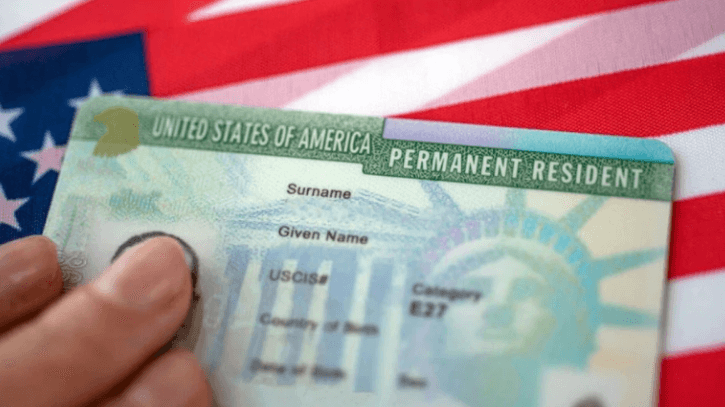
Your physical green card is mailed to your U.S. address within weeks. Ensure USCIS has your correct address.