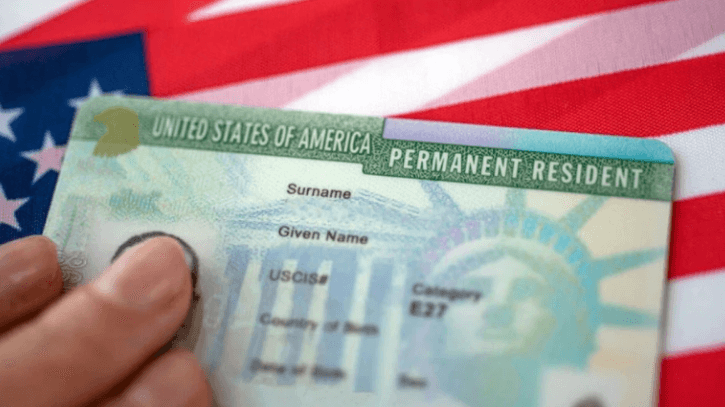
When Should You Renew Your Green Card?
File Form I-90 when your green card will expire within 6 months or has already expired. USCIS recommends filing early to ensure continuous valid documentation.
Your permanent resident status does not expire when your card expires. The card is proof of status, but your underlying status remains valid.
However, an expired card creates practical problems: employment verification issues, travel complications, and inability to prove status for various purposes.
What If Your Card Already Expired?
You can still file Form I-90 after expiration. There is no penalty for late renewal.
The challenge is proving status during processing. Your expired card plus I-90 receipt may be accepted by some entities, but others may require additional documentation.
File as soon as possible once you realize your card has expired to minimize the period without valid documentation.
What Situations Require Form I-90?
Form I-90 covers several scenarios:
Expiring card renewal: Your 10-year green card is expiring or has expired.
Lost, stolen, or destroyed card: You no longer have your physical card.
Damaged card: Your card is mutilated or unreadable.
Name change: You legally changed your name and need an updated card.
Information correction: Incorrect information appears on your card.
Never received card: USCIS records show your card was mailed but you never received it.
Commuter status change: You are changing to or from commuter classification.
When Should You NOT File Form I-90?
Conditional residents: If you have a 2-year conditional green card, file Form I-751 to remove conditions, not Form I-90.
Naturalization applicants: If you are applying for citizenship, you generally do not need to renew your green card simultaneously unless processing will be very long.
Status issues: If your status may have been abandoned (extended time abroad, for example), consult an attorney before filing.
How Do You File Form I-90?
Form I-90 can be filed online through your USCIS online account or by mail. Online filing is faster and allows easier tracking.
Online filing: Create a USCIS account, complete the form online, pay fees electronically, and submit.
Paper filing: Download Form I-90 from USCIS website, complete it, include fee payment, and mail to the appropriate address.
Online filers receive receipt notices faster and can respond to requests electronically.
What Documents Are Required?
Form I-90 requires minimal documentation for standard renewals:
Required for all: Copy of current green card (front and back), or explanation if lost/stolen.
Name changes: Legal documentation of name change (marriage certificate, court order).
Lost/stolen cards: Police report if card was stolen (recommended but not always required).
Information corrections: Evidence supporting the correct information.
Biometrics (fingerprints and photos) are collected at a USCIS Application Support Center appointment after filing.
What Is the Filing Fee?
The current Form I-90 filing fee is $465. This includes the biometrics fee.
Fee exceptions: No fee is charged if you are replacing a card due to USCIS administrative error or if you never received your previous card through no fault of your own.
Fee waivers: I-90 fee waivers may be available for applicants demonstrating inability to pay. File Form I-912 Request for Fee Waiver with supporting financial documentation.
How Do You Pay?
Online filers pay by credit card, debit card, or bank account transfer.
Paper filers include a check or money order payable to "U.S. Department of Homeland Security" with their application.
Ensure funds are available. Returned payments delay processing and may result in rejection.
What Is the 24-Month Extension?
For standard renewals of expiring 10-year green cards, filing Form I-90 automatically extends your card's validity for 24 months from the card's expiration date.
Your receipt notice (Form I-797C) combined with your expired green card serves as proof of status during the extension period.
This extension is valid for employment verification (I-9), domestic travel, and most other purposes requiring proof of permanent resident status.
Does the Extension Apply to All I-90 Applications?
The automatic 24-month extension applies only to renewals of expiring 10-year green cards filed on or after the policy effective date.
Extensions do NOT apply to:
Replacement of lost, stolen, or damaged cards
Conditional resident cards (2-year cards)
Name changes or information corrections
Cards that expired before filing
Applicants without automatic extensions face longer periods without valid card documentation.
How Long Does Processing Take?
Current Form I-90 processing times range from 8 to 14 months depending on USCIS workload and your location.
Check USCIS processing times for current estimates at your service center.
Processing includes receipt, biometrics appointment, adjudication, card production, and mailing. Each stage adds time.
Can You Expedite Form I-90?
Expedite requests are possible but rarely granted. USCIS considers expedites for:
Severe financial loss to company or individual
Humanitarian emergencies
Nonprofit organizations with urgent need
U.S. government interests
USCIS error
Submit expedite requests through your USCIS account or by calling the Contact Center. Include documentation supporting the urgent need.
What About Travel While I-90 Is Pending?
Domestic travel is generally not affected. Airlines accept expired green cards with I-90 receipt notices for domestic flights.
International travel is more complicated. CBP may question expired cards at reentry. Carry your receipt notice showing pending renewal.
For extended foreign travel, consider USCIS InfoPass appointments before departure to get travel stamps or documentation.
Returning to the U.S. with Expired Card
CBP officers have discretion to admit permanent residents with expired cards. However, expect additional screening and questions.
Carry evidence of pending I-90 (receipt notice), evidence of continuous residence, and explanation of travel purpose.
Prolonged absences (over 1 year) raise abandonment concerns separate from card renewal issues.
Lost, Stolen, or Damaged Cards
Replacement applications follow similar procedures but without automatic extensions.
Lost cards: File I-90 indicating the card was lost. No police report required but may be requested.
Stolen cards: File I-90 indicating theft. A police report is recommended for documentation.
Damaged cards: File I-90 with your damaged card. USCIS needs to see the damage.
Consider identity theft monitoring if your card was stolen, as green card information can be misused.
What If You Need Proof of Status Urgently?
For urgent employment, travel, or other needs while waiting for replacement cards:
Request InfoPass appointment at local USCIS office to get temporary evidence of status (I-551 stamp in passport).
Some USCIS offices provide I-551 stamps for permanent residents with urgent documented needs.
Employers can extend I-9 verification deadlines while awaiting replacement documentation.
Name Changes and Corrections
If you legally changed your name (marriage, divorce, court order), update your green card with Form I-90.
Provide legal documentation of the name change: marriage certificate, divorce decree, or court order.
Both old and new names should appear on your documents until the new card arrives. The new card will show only your current legal name.
Correcting USCIS Errors
If USCIS made an error on your green card (wrong name spelling, incorrect birth date), file Form I-90 at no cost.
Provide evidence of the correct information (birth certificate, passport) and explanation of the error.
USCIS errors are distinguished from applicant errors. If you provided incorrect information originally, standard fees apply.