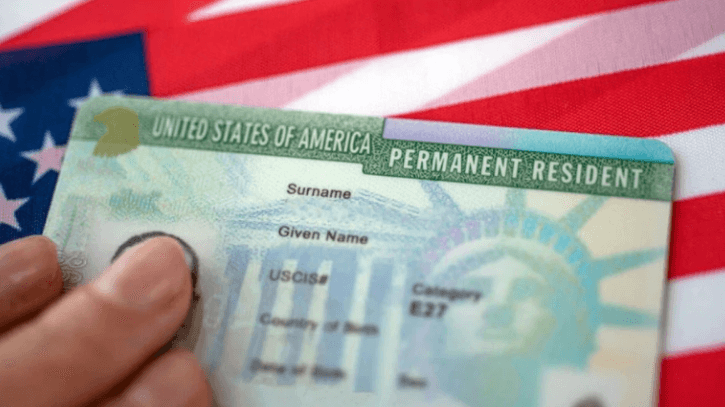
When Do You Need a Reentry Permit?
Trips exceeding one year create a presumption of abandonment of permanent resident status. A reentry permit eliminates this presumption, protecting your ability to return.
Even for trips under one year, a reentry permit may be advisable if you travel frequently with trips approaching the one-year mark. Patterns of extended absences can raise abandonment concerns.
If your green card will expire while abroad, you need a reentry permit. The permit serves as travel document evidence of your status when your physical green card has expired.
What Happens Without a Reentry Permit for Extended Trips?
Without a reentry permit, stays exceeding one year create a rebuttable presumption of abandoned residence. You may face denial of boarding by airlines or denial of admission at the border.
Returning after more than one year without a permit may require applying for a Returning Resident Visa (SB-1) at a U.S. consulate. SB-1 requires showing extended absence resulted from circumstances beyond your control.
According to 8 CFR 211.1(a), permanent residents must possess valid documents to enter. Reentry permits satisfy this requirement for extended absences.
How Do You Apply for a Reentry Permit?
File Form I-131 Application for Travel Document with USCIS. Select the reentry permit option and submit required fees (currently $575 plus $85 biometrics fee).
You must be physically present in the United States when filing. USCIS rejects applications filed from abroad.
Submit: Form I-131, copies of green card (front and back), two passport-style photos meeting USCIS specifications, and applicable fees.
What Is the Biometrics Requirement?
After filing, USCIS schedules a biometrics appointment for fingerprinting and photograph. This appointment typically occurs 3 to 6 weeks after filing.
You must complete biometrics before departing the United States. Missing biometrics while abroad can result in application denial.
If your departure date is urgent, USCIS may accommodate earlier biometrics appointments in limited circumstances. Contact USCIS or have your representative request accommodation.
How Long Does Processing Take?
Current processing times for reentry permits range from 4 to 8 months. Check USCIS processing times for current estimates at your filing service center.
After completing biometrics, you may depart while the permit is pending. Provide USCIS with your foreign address or U.S. embassy location for permit delivery abroad.
Some applicants prefer waiting for the permit before departing to avoid delivery complications. Balance urgency against certainty based on your circumstances.
Can You Receive the Permit Abroad?
Yes. After completing biometrics, you may depart while your reentry permit processes. USCIS can mail the approved permit to a foreign address or U.S. embassy.
Provide clear delivery instructions when filing or update USCIS with your foreign address after departure. Embassy pickup requires coordination with the specific embassy.
International mail delivery adds time and uncertainty. Plan for potential delays when receiving permits abroad.
How Long Is a Reentry Permit Valid?
Reentry permits for lawful permanent residents are valid for two years from issuance date. The permit expires two years after USCIS issues it, regardless of your departure date.
Conditional residents (those with two-year green cards) receive permits valid for only one year, or until condition removal deadline, whichever is sooner.
Processing time consumes validity. If processing takes four months, you have approximately 20 months of usable validity remaining.
Can You Renew a Reentry Permit Abroad?
You cannot renew a reentry permit from abroad. You must return to the United States and file a new application while physically present.
USCIS may scrutinize repeat applications. Patterns of obtaining permits and spending most time abroad raise abandonment concerns despite the permits.
The second consecutive reentry permit is typically valid for two years, but USCIS may limit validity based on travel patterns suggesting abandonment.
Does a Reentry Permit Guarantee Admission?
No. Reentry permits eliminate the abandonment presumption from extended absence but do not guarantee CBP will admit you. Officers retain discretion to evaluate admissibility.
CBP officers may question your intent to maintain U.S. residence, your ties to America, and your activities abroad. Having a reentry permit does not prevent such questioning.
Evidence of maintaining U.S. ties strengthens your reentry position: U.S. tax returns, active bank accounts, property ownership, family in America, and other connections demonstrate continued residence intent.
What Questions Might CBP Ask?
CBP may ask: "Why were you abroad so long?" "Where have you been living?" "Do you have employment or family abroad?" "What ties do you maintain in the United States?"
Be prepared to explain the purpose of your extended absence. Document legitimate reasons such as caring for ill family members, business requirements, or educational pursuits.
Conflicting answers or evidence suggesting you actually reside abroad (foreign voter registration, foreign employment, foreign property ownership) can lead to secondary inspection and potential inadmissibility findings.
How Do Extended Absences Affect Naturalization?
Reentry permits preserve your green card status but do not preserve continuous residence for naturalization. These are separate requirements with different rules.
For naturalization, trips over six months raise a presumption of broken continuous residence. Trips over one year break continuous residence regardless of reentry permit possession.
If you break continuous residence, you must reestablish U.S. residence and typically wait the full statutory period (3 or 5 years) again before naturalizing.
Can You Preserve Naturalization Eligibility During Extended Absence?
Form N-470 Application to Preserve Residence allows certain applicants to preserve continuous residence during extended absences. Eligibility is limited to specific qualifying categories.
Qualifying employment includes: U.S. government employees, U.S. Armed Forces members, employees of certain recognized U.S. institutions, and employees of certain research organizations.
N-470 must be filed before departing for the extended absence. It does not help retroactively for absences already begun.
What Are Alternatives to Reentry Permits?
For trips under one year, a reentry permit is generally unnecessary. Your green card alone allows reentry, though maintaining evidence of U.S. ties is advisable.
If your trip may exceed one year due to unexpected circumstances, consider the SB-1 Returning Resident Visa. This requires showing the extended delay was beyond your control.
Some permanent residents conclude that maintaining primary U.S. residence is necessary to protect their status. Extended absences carry inherent risks even with reentry permits.
Should You Naturalize Before Extended Travel?
If you are approaching naturalization eligibility, extended international trips may delay eligibility. Consider naturalizing before extended travel.
U.S. citizens can travel internationally without immigration consequences. Citizens have an absolute right to return regardless of absence length.
Balancing travel needs with immigration goals requires planning. Consult an attorney if your situation involves competing priorities or complex timing considerations.