What Is Temporary Protected Status?
TPS is a temporary immigration status granted to nationals of countries experiencing conditions that prevent safe return. The program was created by the Immigration Act of 1990.
The Secretary of Homeland Security may designate a country for TPS based on: ongoing armed conflict posing serious threat to personal safety, environmental disaster (earthquake, flood, epidemic), or other extraordinary and temporary conditions.
TPS is not permanent. Designations last 6 to 18 months and must be extended for beneficiaries to maintain status.
Which Countries Are Currently Designated?
TPS country designations change over time. As of recent designations, countries include: Afghanistan, Cameroon, El Salvador, Ethiopia, Haiti, Honduras, Myanmar (Burma), Nepal, Nicaragua, Somalia, South Sudan, Sudan, Syria, Ukraine, Venezuela, and Yemen.
Each country has specific designation dates, continuous presence requirements, and registration periods. Check USCIS TPS country pages for current information.
New designations, extensions, and terminations are announced in the Federal Register and on the USCIS website.
Who Is Eligible for TPS?
To qualify for TPS, you must meet all of the following requirements:
Nationality: Be a national of a TPS-designated country (or a person without nationality who last habitually resided in a designated country).
Continuous residence: Have continuously resided in the United States since the date specified for your country's designation.
Continuous physical presence: Have been continuously physically present in the United States since the date specified for your country.
Registration: File during the initial registration period, re-registration period, or qualify for late initial registration.
Admissibility: Not be inadmissible under specified criminal, security, or other grounds.
What Disqualifies You from TPS?
Certain grounds bar TPS eligibility:
Criminal bars: Conviction of any felony or two or more misdemeanors committed in the United States.
Persecution: Having persecuted others.
Security concerns: Being a danger to U.S. security or having engaged in terrorist activity.
Inadmissibility: Being inadmissible on certain grounds under INA 212(a).
USCIS conducts background checks on all TPS applicants.
How Do You Apply for TPS?
File Form I-821 Application for Temporary Protected Status during an open registration period for your country.
File Form I-765 Application for Employment Authorization if you want work authorization (strongly recommended).
Include required documentation: identity documents, evidence of nationality, evidence of continuous residence and physical presence, passport-style photographs, and filing fees.
What Evidence Proves Continuous Residence?
Documentation establishing your presence in the U.S. during the required period includes:
Employment records (pay stubs, tax returns, W-2s), rent receipts or leases, utility bills, school records, medical records, bank statements, dated correspondence, insurance records, and any other dated documents showing U.S. presence.
The more documentation covering the entire period, the stronger your application.
What Are Registration Periods?
Initial registration period: The first registration period following a country's TPS designation. Typically 180 days.
Re-registration period: When TPS is extended, existing beneficiaries must re-register during announced periods (usually 60 days) to maintain status.
Late initial registration: Limited circumstances allow late initial registration, including: being a minor child of a TPS holder, qualifying for benefits no longer available to you, or extraordinary circumstances.
What Happens If You Miss Re-Registration?
Missing re-registration can result in TPS status termination. Without valid TPS, you lose work authorization and deportation protection.
If you miss a deadline, contact USCIS immediately. Some grace periods or accommodations may be available depending on circumstances.
Set calendar reminders for re-registration periods. USCIS announces dates in the Federal Register and on their website.
What Benefits Does TPS Provide?
Protection from removal: You cannot be deported while in valid TPS status unless you are individually determined to be ineligible.
Employment authorization: TPS beneficiaries receive Employment Authorization Documents (EADs) allowing work for any employer.
Travel authorization: With advance approval (travel document), you may travel abroad and return. However, travel to your home country is generally inadvisable and may affect status.
Driver's license: Most states issue driver's licenses to TPS holders with valid EADs.
What TPS Does Not Provide
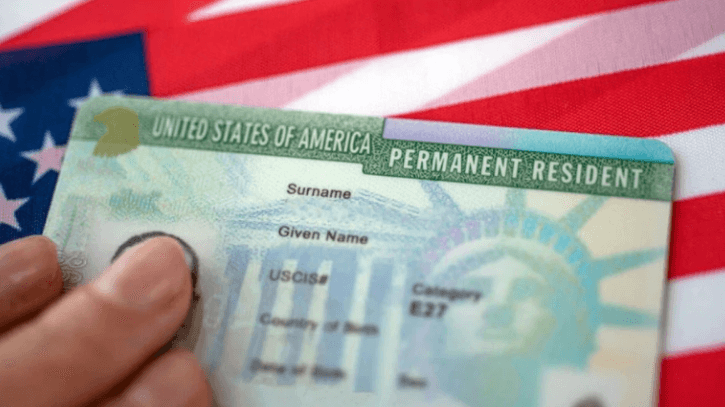
TPS does not provide lawful permanent resident status. You do not receive a green card through TPS alone.
TPS does not provide a direct path to citizenship. Naturalization requires permanent residence first.
TPS is temporary. If your country's designation ends, TPS benefits terminate (subject to any wind-down periods).
Can TPS Lead to a Green Card?
TPS itself does not provide permanent residence. However, TPS holders may qualify for green cards through other means.
Family-based immigration: If you have a qualifying relationship (U.S. citizen spouse, parent, or adult child), you may be eligible for family-sponsored immigration.
Employment-based immigration: If an employer will sponsor you, you may pursue employment-based green cards.
Travel and admission: Some TPS holders who travel abroad with authorization and are inspected upon return may gain lawful admission for adjustment of status purposes.
Does Travel Help Adjustment Eligibility?
Under certain court decisions and USCIS policy, TPS holders who travel abroad with advance authorization and return through inspection are considered "admitted" for adjustment of status purposes.
This can help TPS holders who initially entered without inspection overcome the adjustment bar that would otherwise apply.
Consult an immigration attorney before traveling to understand whether this benefit applies to your situation.
How Long Does TPS Last?
TPS designations last 6 to 18 months initially. The Secretary of Homeland Security reviews conditions before each expiration.
If conditions warrant continuation, TPS is extended for additional periods. Some countries have been designated for decades.
If conditions improve sufficiently, TPS may be terminated. Termination notices typically provide 6 to 18 months for beneficiaries to arrange affairs.
What Happens If TPS Is Terminated?
If your country's TPS designation ends without renewal, your TPS status terminates after any wind-down period.
You return to whatever immigration status (if any) you had before TPS. Many TPS holders have no other status and would be subject to removal.
Litigation has delayed some TPS terminations. Court orders have maintained status for some countries beyond announced termination dates.
Automatic Extension of Work Authorization
When TPS is extended, existing beneficiaries typically receive automatic extensions of their Employment Authorization Documents.
Federal Register notices announcing extensions specify automatic extension periods. Your existing EAD combined with the notice serves as extended work authorization.
Present your expired EAD plus the Federal Register notice to employers as evidence of continued work authorization.
How Do You Show Employers Your Status?
During automatic extension periods, show employers:
Your expired EAD card, the Federal Register notice announcing automatic extension, and if available, your Form I-797C receipt showing timely re-registration.
The automatic extension notice specifies which EAD codes qualify and the extension duration.
Special Considerations
Derivative family members: Spouses and unmarried children under 21 of TPS holders may be eligible for derivative TPS if they meet eligibility requirements independently.
Criminal convictions: Even misdemeanors can affect TPS eligibility. Consult an attorney if you have any criminal history.
Immigration court: TPS does not stop removal proceedings, but valid TPS prevents actual removal while status is valid.
Status while pending: If your TPS application is pending, you remain in whatever status you had before. Pending applications do not provide interim protection.
What About Deferred Enforced Departure (DED)?
DED is similar to TPS but authorized by the President rather than statutory designation by DHS.
DED provides similar benefits: protection from removal and work authorization. Current DED countries include Liberia and Hong Kong.
DED procedures mirror TPS procedures. Check USCIS guidance for DED-specific requirements.