Quick Answer

Automatic revalidation allows returning to U.S. from Canada, Mexico, or adjacent islands with expired visa stamp if trip is 30 days or less, you maintain valid status (I-94 not expired), don't apply for new visa during trip, and have valid I-797 or other status document. This only works for contiguous territories - doesn't apply to other countries. Carry I-797, I-94 printout, and expired visa when traveling.

Key Takeaways

  • Automatic revalidation applies only to Canada, Mexico, and adjacent islands

  • Trip must be 30 days or less total

  • Cannot apply for new visa during trip (triggers revalidation loss)

  • Must have valid status in U.S. (unexpired I-797, I-20, etc.)

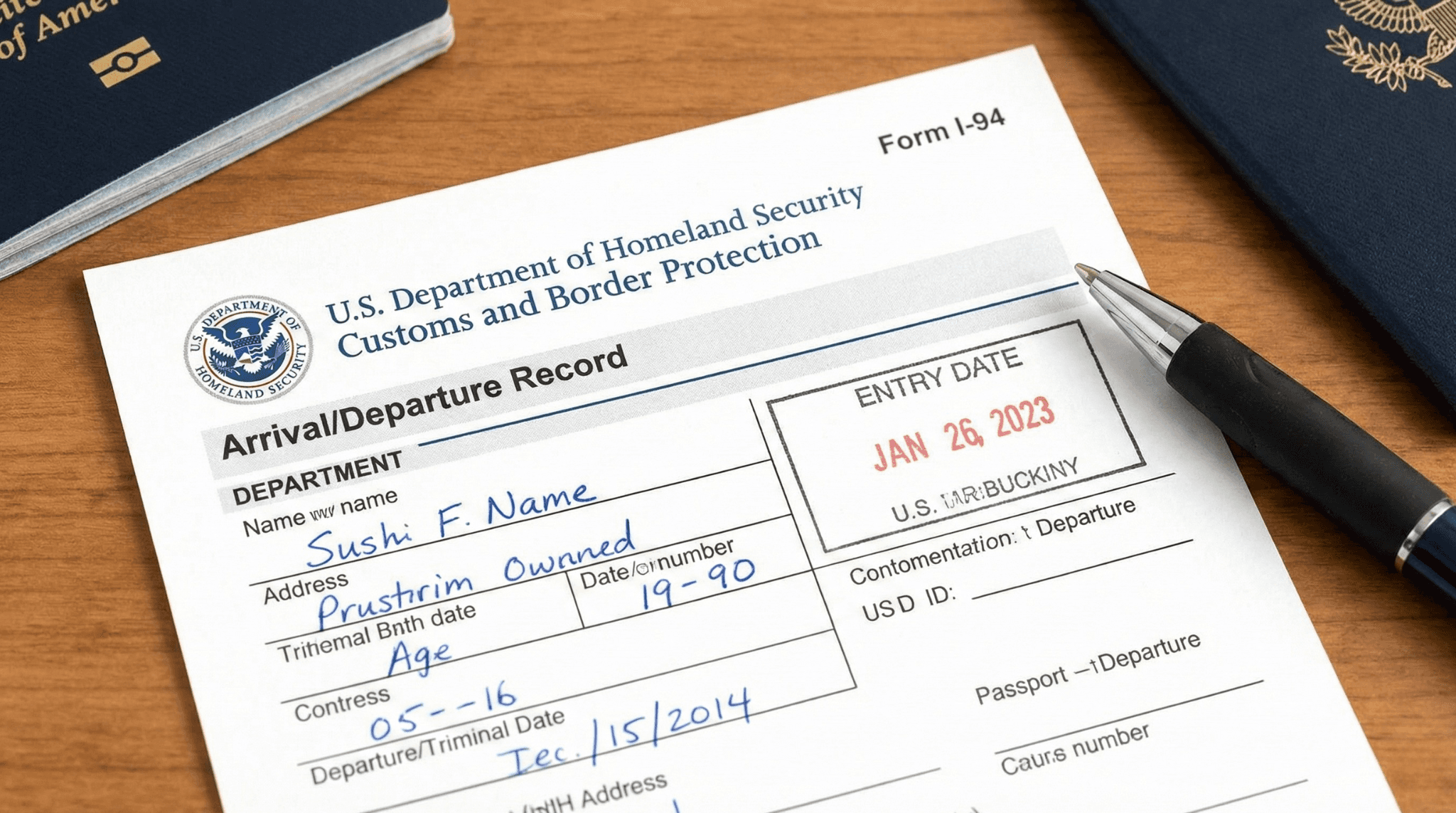
  • Carry I-797 approval notice, I-94, passport with expired visa

  • Iranian, Syrian, Sudanese, North Korean nationals ineligible

Key Takeaways

  • Automatic revalidation applies only to Canada, Mexico, and adjacent islands

  • Trip must be 30 days or less total

  • Cannot apply for new visa during trip (triggers revalidation loss)

  • Must have valid status in U.S. (unexpired I-797, I-20, etc.)

  • Carry I-797 approval notice, I-94, passport with expired visa

  • Iranian, Syrian, Sudanese, North Korean nationals ineligible

Table of Content

What Is Automatic Revalidation

Automatic revalidation is provision allowing temporary visitors to U.S. to make brief trips to Canada, Mexico, or adjacent islands and return on expired visa stamps without getting new visa. You must maintain valid underlying status in U.S.

Requirements:

  • Trip to Canada, Mexico, or adjacent islands only (not Europe, Asia, home country, etc.)

  • Absence is 30 days or less

  • Valid I-94 (not expired)

  • Valid status documentation (I-797 for H-1B, I-20 for F-1, etc.)

  • Did not apply for new U.S. visa during trip

  • Not from restricted nationality (Iran, Syria, Sudan, North Korea)

This saves you from needing visa stamping appointment for short trips to neighbors.

Who Can Use It

H-1B, L-1, and other work visa holders with expired stamps can visit Canada/Mexico briefly and return. F-1 students on valid status can take weekend trips to Canada. J-1 exchange visitors maintaining program status qualify. TN (NAFTA) professionals can use it.

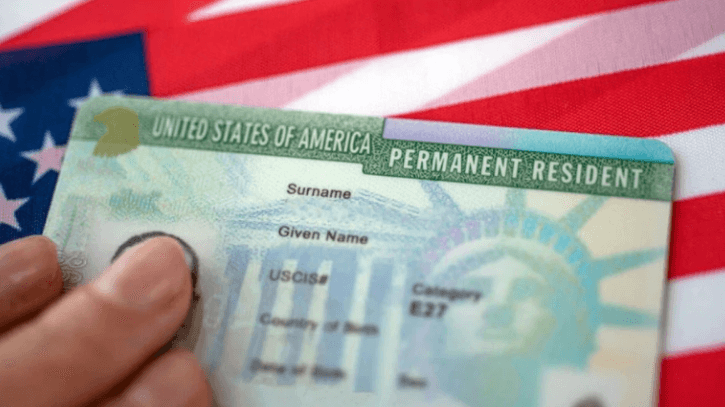
Green card holders don't need it - they have permanent resident cards for re-entry.

Adjacent Islands Definition

"Adjacent islands" means specific Caribbean locations: Anguilla, Antigua, Aruba, Bahamas, Barbados, Barbuda, Bermuda, Bonaire, British Virgin Islands, Cayman Islands, Curaçao, Dominica, Dominican Republic, Grenada, Guadeloupe, Haiti, Jamaica, Martinique, Montserrat, Saba, Saint Barthélemy, Saint Eustatius, Saint Kitts and Nevis, Saint Lucia, Saint Maarten, Saint Martin, Saint Vincent and the Grenadines, Trinidad and Tobago, and Turks and Caicos.

Notably excluded: Cuba (not adjacent island for this purpose), countries in South America, and any location not listed above.

What Breaks Automatic Revalidation

Action

Result

What Happens

Apply for new visa in Canada

Revalidation lost

Must wait for new visa before returning

Visa application denied

Revalidation lost

Cannot return to U.S.

Trip exceeds 30 days

Revalidation lost

Need valid visa to return

Travel to third country

Revalidation lost

Need valid visa to return

Most common mistake: applying for new visa stamp at U.S. consulate in Canada or Mexico. Once you apply, automatic revalidation no longer applies. If visa is denied, you cannot return to U.S. using automatic revalidation.

Documents to Carry

Essential documents:

  • Valid passport (even with expired U.S. visa stamp)

  • I-94 printout from cbp.gov/i94

  • I-797 approval notice (H-1B) or I-20 (F-1) or DS-2019 (J-1)

  • Employment letter from employer

  • Paystubs showing ongoing employment

  • Proof of trip purpose (hotel reservation, conference registration)

CBP officer at U.S. border will examine these to confirm you qualify for automatic revalidation.

The 30-Day Window

Count all days outside U.S., including day of departure and return. If you leave Monday and return following Wednesday, that's 9 days total. Trip can include multiple stops within Canada/Mexico/adjacent islands as long as total absence is 30 days or less.

30-day calculation:

  • Leave U.S.: December 1 (Day 1)

  • Return to U.S.: December 30 (Day 30) ✓ Qualifies

  • Return to U.S.: December 31 (Day 31) ✗ Exceeds limit

Risks and Considerations

While legal, automatic revalidation carries some risk. CBP officer has discretion and might scrutinize return more carefully with expired visa. If officer questions your status or documents, you could be sent to secondary inspection causing hours of delay. Some travelers report inconsistent application by different CBP officers.

Less risky alternatives if you have time: get new visa stamp before traveling, or avoid international travel until you have valid visa stamp.

Restricted Nationalities

Iranian, Syrian, Sudanese, and North Korean nationals cannot use automatic revalidation regardless of other qualifications. They must have valid visa stamp to return from any international travel.

This restriction exists for national security reasons. If you're from these countries, get visa stamp before any international travel.

Practical Travel Tips

Use automatic revalidation for genuine short trips only - weekend in Toronto, family visit in Tijuana, Caribbean cruise. Don't abuse it for frequent border crossings raising suspicion. Keep trip purpose documented (conference, tourism, family visit). Return through same port of entry if possible for consistency. Allow extra time at border as you may face additional questions.

Some choose to avoid automatic revalidation entirely, viewing visa stamping as safer long-term approach despite hassle.


Get Your Free Visa Evaluation

What Is Automatic Revalidation

Automatic revalidation is provision allowing temporary visitors to U.S. to make brief trips to Canada, Mexico, or adjacent islands and return on expired visa stamps without getting new visa. You must maintain valid underlying status in U.S.

Requirements:

  • Trip to Canada, Mexico, or adjacent islands only (not Europe, Asia, home country, etc.)

  • Absence is 30 days or less

  • Valid I-94 (not expired)

  • Valid status documentation (I-797 for H-1B, I-20 for F-1, etc.)

  • Did not apply for new U.S. visa during trip

  • Not from restricted nationality (Iran, Syria, Sudan, North Korea)

This saves you from needing visa stamping appointment for short trips to neighbors.

Who Can Use It

H-1B, L-1, and other work visa holders with expired stamps can visit Canada/Mexico briefly and return. F-1 students on valid status can take weekend trips to Canada. J-1 exchange visitors maintaining program status qualify. TN (NAFTA) professionals can use it.

Green card holders don't need it - they have permanent resident cards for re-entry.

Adjacent Islands Definition

"Adjacent islands" means specific Caribbean locations: Anguilla, Antigua, Aruba, Bahamas, Barbados, Barbuda, Bermuda, Bonaire, British Virgin Islands, Cayman Islands, Curaçao, Dominica, Dominican Republic, Grenada, Guadeloupe, Haiti, Jamaica, Martinique, Montserrat, Saba, Saint Barthélemy, Saint Eustatius, Saint Kitts and Nevis, Saint Lucia, Saint Maarten, Saint Martin, Saint Vincent and the Grenadines, Trinidad and Tobago, and Turks and Caicos.

Notably excluded: Cuba (not adjacent island for this purpose), countries in South America, and any location not listed above.

What Breaks Automatic Revalidation

Action

Result

What Happens

Apply for new visa in Canada

Revalidation lost

Must wait for new visa before returning

Visa application denied

Revalidation lost

Cannot return to U.S.

Trip exceeds 30 days

Revalidation lost

Need valid visa to return

Travel to third country

Revalidation lost

Need valid visa to return

Most common mistake: applying for new visa stamp at U.S. consulate in Canada or Mexico. Once you apply, automatic revalidation no longer applies. If visa is denied, you cannot return to U.S. using automatic revalidation.

Documents to Carry

Essential documents:

  • Valid passport (even with expired U.S. visa stamp)

  • I-94 printout from cbp.gov/i94

  • I-797 approval notice (H-1B) or I-20 (F-1) or DS-2019 (J-1)

  • Employment letter from employer

  • Paystubs showing ongoing employment

  • Proof of trip purpose (hotel reservation, conference registration)

CBP officer at U.S. border will examine these to confirm you qualify for automatic revalidation.

The 30-Day Window

Count all days outside U.S., including day of departure and return. If you leave Monday and return following Wednesday, that's 9 days total. Trip can include multiple stops within Canada/Mexico/adjacent islands as long as total absence is 30 days or less.

30-day calculation:

  • Leave U.S.: December 1 (Day 1)

  • Return to U.S.: December 30 (Day 30) ✓ Qualifies

  • Return to U.S.: December 31 (Day 31) ✗ Exceeds limit

Risks and Considerations

While legal, automatic revalidation carries some risk. CBP officer has discretion and might scrutinize return more carefully with expired visa. If officer questions your status or documents, you could be sent to secondary inspection causing hours of delay. Some travelers report inconsistent application by different CBP officers.

Less risky alternatives if you have time: get new visa stamp before traveling, or avoid international travel until you have valid visa stamp.

Restricted Nationalities

Iranian, Syrian, Sudanese, and North Korean nationals cannot use automatic revalidation regardless of other qualifications. They must have valid visa stamp to return from any international travel.

This restriction exists for national security reasons. If you're from these countries, get visa stamp before any international travel.

Practical Travel Tips

Use automatic revalidation for genuine short trips only - weekend in Toronto, family visit in Tijuana, Caribbean cruise. Don't abuse it for frequent border crossings raising suspicion. Keep trip purpose documented (conference, tourism, family visit). Return through same port of entry if possible for consistency. Allow extra time at border as you may face additional questions.

Some choose to avoid automatic revalidation entirely, viewing visa stamping as safer long-term approach despite hassle.

Get Your Free Visa Evaluation

Frequently Asked Questions

Can I visit Canada with expired H-1B visa stamp?

Yes, using automatic revalidation if trip is 30 days or less and you maintain valid H-1B status (unexpired I-797).

What if I apply for new visa in Canada?

Automatic revalidation is voided immediately. If visa denied, you cannot return to U.S. Only apply for visa if you're willing to risk being stuck.

Does this work for traveling to Europe?

No. Only Canada, Mexico, and specific adjacent Caribbean islands. Travel anywhere else requires valid visa stamp to return.

Can green card holders use this?

Green card holders don't need automatic revalidation. Their green card allows re-entry from anywhere.

What if trip exceeds 30 days accidentally?

You lose automatic revalidation eligibility and need valid visa stamp to return. Plan trips carefully with buffer days.

Share post

Explore Topics

Icon

0%

Explore Topics

Icon

0%