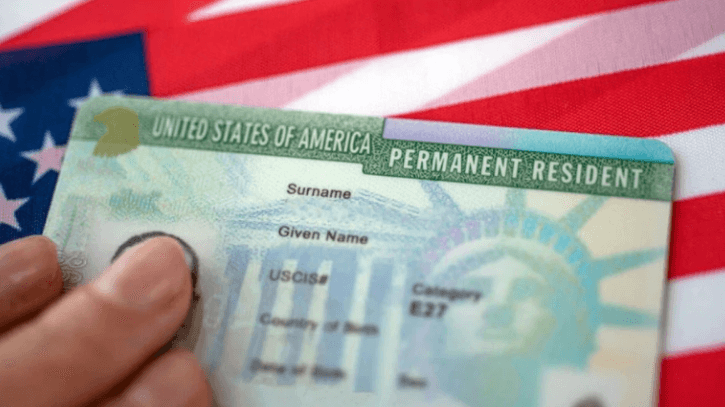
Visa Bulletin and Priority Dates: Understanding Green Card Wait Times
The visa bulletin determines when immigrant visa applicants can proceed with their green card applications. Priority dates and visa availability are critical concepts for anyone in the employment-based or family preference immigration queues.
The visa bulletin determines when immigrant visa applicants can proceed with their green card applications. Priority dates and visa availability are critical concepts for anyone in the employment-based or family preference immigration queues.
The visa bulletin is a monthly publication from the Department of State showing which immigrant visa priority dates are eligible to proceed with green card processing. Your priority date is typically the date your petition was filed (PERM filing date for employment-based, I-130 filing date for family-based). When your priority date is earlier than the date shown in the visa bulletin for your category and country, your date is "current" and you can file for your green card. Wait times vary dramatically by category and country of birth, ranging from immediate availability to over 20 years.
Key Takeaways
The visa bulletin is published monthly, typically mid-month for the following month.
Priority date is when your petition was filed (not approved).
Two charts exist: Final Action Dates and Dates for Filing.
Country of birth determines your queue, not citizenship or residence.
Wait times range from current (immediately available) to 20+ years for backlogged categories.
EB-1 and immediate relatives (spouses, parents, children of citizens) are typically current.
India and China face the longest employment-based backlogs.
Table of Content
What Is the Visa Bulletin?
The visa bulletin is an official monthly publication from the Department of State that shows immigrant visa availability for each preference category and country.
Immigrant visas are numerically limited by category and country. When demand exceeds supply, backlogs develop and applicants must wait for their priority date to become current.
The bulletin is published around the middle of each month and shows dates for the following month. For example, the bulletin published mid-February shows dates for March.
USCIS also publishes the bulletin with additional guidance on which chart to use for adjustment of status filings.
Numerous immigration news sites and attorneys publish analysis of bulletin movements, but always verify with official sources.
What Is a Priority Date?
Your priority date is the date that establishes your place in the immigrant visa queue. It marks when you entered the line for a green card.
Employment-based priority dates: Typically the date your PERM labor certification was filed with the Department of Labor. For categories not requiring PERM (EB-1A, EB-2 NIW), it is the I-140 filing date.
Family-based priority dates: The date Form I-130 was filed with USCIS.
Diversity visa: Selected applicants receive randomly assigned rank numbers rather than priority dates.
Why Does Priority Date Matter?
Priority dates determine the order in which applicants can proceed. Earlier dates process before later dates within each category.
When the visa bulletin shows a date earlier than your priority date, you cannot yet file for your green card (I-485 or consular processing).
When the visa bulletin shows a date equal to or later than your priority date, you can proceed. Your date is "current."
How Do You Read the Visa Bulletin?
The visa bulletin contains two charts for employment-based and two for family-based categories:
Final Action Dates: Dates when visas can actually be issued (final green card approval).
Dates for Filing: Dates when applicants can submit applications (file I-485 or begin consular processing), even though final action may come later.
USCIS announces each month which chart to use for adjustment of status filings. The Dates for Filing chart sometimes allows earlier filing but does not guarantee earlier approval.
Understanding the Charts
Charts show dates by category (rows) and country (columns). Key columns include:
All Chargeability Areas Except Those Listed
China (mainland born)
El Salvador, Guatemala, Honduras
India
Mexico
Philippines
Find your category and country. The date shown indicates which priority dates are currently eligible.
"C" means current (all dates are eligible). A specific date means priority dates before that date are eligible.
Employment-Based Categories Explained
EB-1: Priority workers including extraordinary ability (EB-1A), outstanding professors and researchers (EB-1B), and multinational managers (EB-1C). Generally current for most countries except India and China.
EB-2: Advanced degree professionals and exceptional ability workers. Significant backlogs for India and China, often current for other countries.
EB-3: Skilled workers, professionals, and other workers. Backlogs for India, China, and Philippines. Other workers face longer waits.
EB-4: Special immigrants (religious workers, certain government employees).
EB-5: Immigrant investors. Reserved categories (rural, high unemployment) may have better availability.
Why Are India and China Backlogged?
Per-country limits cap visas from any single country at 7% of total annual employment-based visas (approximately 9,800 per country).
High demand from India and China, combined with per-country caps, creates massive backlogs. Applicants from these countries may wait 10 to 20+ years in some categories.
Applicants from other countries face shorter or no waits in the same categories because demand does not exceed supply.
Family-Based Categories Explained
Immediate relatives (spouses, parents, and unmarried children under 21 of U.S. citizens): No numerical limits. Always current.
F1: Unmarried adult children of U.S. citizens. Backlogged for most countries.
F2A: Spouses and children of permanent residents. Relatively short waits in recent years.
F2B: Unmarried adult children of permanent residents. Significant backlogs.
F3: Married adult children of U.S. citizens. Longest family backlogs.
F4: Siblings of adult U.S. citizens. Extremely long waits, particularly for Mexico and Philippines.
Family Category Wait Times
Current approximate wait times vary:
Category
Most Countries
Mexico
Philippines
F1
8-10 years
22+ years
12+ years
F2A
2-3 years
3-5 years
2-3 years
F2B
8-10 years
22+ years
12+ years
F3
13-15 years
25+ years
24+ years
F4
15-17 years
22+ years
24+ years
These estimates fluctuate. Check current visa bulletin for actual dates.
Country of Birth vs. Citizenship
Your country of chargeability is based on country of birth, not current citizenship or residence.
If born in India but now a Canadian citizen living in Canada, you are still charged to India's quota.
If born in Germany to Indian citizen parents, you are charged to Germany (birth country), not India.
Cross-Chargeability Options
Limited cross-chargeability options exist:
Spouse's country: You may be charged to your spouse's country of birth if you are applying together and it provides a more favorable date.
Parent's country: Children born in oversubscribed countries may use a parent's country if the parent was not domiciled there at the time of the child's birth.
Cross-chargeability is the main strategy for escaping backlogged country queues.
What Happens When Your Date Becomes Current?
When your priority date is earlier than the visa bulletin cutoff:
Adjustment of status (in the U.S.): File Form I-485 with USCIS to adjust to permanent resident status.
Consular processing (abroad): Complete National Visa Center processing and attend immigrant visa interview at a U.S. consulate.
File promptly when dates become current. If dates retrogress (move backward), your ability to file may be lost until dates advance again.
What Is Visa Bulletin Retrogression?
Retrogression occurs when cutoff dates move backward rather than forward. This happens when visa demand exceeds supply faster than expected.
Applicants who could file one month may be unable to file the next if dates retrogress past their priority date.
Retrogression is unpredictable but more common near the end of fiscal years (September) when annual visa limits approach.
Strategies for Dealing with Long Waits
Multiple petitions: File in multiple categories if eligible. Some applicants file both EB-2 and EB-3 to use whichever becomes current first.
Priority date porting: Retain earlier priority dates when changing employers or categories (within limits).
Category changes: Downgrade from EB-2 to EB-3 (or vice versa) if one category has better dates.
Cross-chargeability: If your spouse was born in a non-backlogged country, explore using their chargeability.
Concurrent filing: When eligible, file I-485 as early as possible to gain work authorization and travel flexibility while waiting for final approval.
Can Wait Times Be Reduced?
Individual applicants cannot change their priority dates (except through legitimate date porting).
Congressional action could change per-country limits or create new visa categories. Various bills have been proposed but not passed.
Administrative changes occasionally affect processing speeds but not underlying visa availability limits.
What Is the Visa Bulletin?
The visa bulletin is an official monthly publication from the Department of State that shows immigrant visa availability for each preference category and country.
Immigrant visas are numerically limited by category and country. When demand exceeds supply, backlogs develop and applicants must wait for their priority date to become current.
The bulletin is published around the middle of each month and shows dates for the following month. For example, the bulletin published mid-February shows dates for March.
USCIS also publishes the bulletin with additional guidance on which chart to use for adjustment of status filings.
Numerous immigration news sites and attorneys publish analysis of bulletin movements, but always verify with official sources.
What Is a Priority Date?
Your priority date is the date that establishes your place in the immigrant visa queue. It marks when you entered the line for a green card.
Employment-based priority dates: Typically the date your PERM labor certification was filed with the Department of Labor. For categories not requiring PERM (EB-1A, EB-2 NIW), it is the I-140 filing date.
Family-based priority dates: The date Form I-130 was filed with USCIS.
Diversity visa: Selected applicants receive randomly assigned rank numbers rather than priority dates.
Why Does Priority Date Matter?
Priority dates determine the order in which applicants can proceed. Earlier dates process before later dates within each category.
When the visa bulletin shows a date earlier than your priority date, you cannot yet file for your green card (I-485 or consular processing).
When the visa bulletin shows a date equal to or later than your priority date, you can proceed. Your date is "current."
How Do You Read the Visa Bulletin?
The visa bulletin contains two charts for employment-based and two for family-based categories:
Final Action Dates: Dates when visas can actually be issued (final green card approval).
Dates for Filing: Dates when applicants can submit applications (file I-485 or begin consular processing), even though final action may come later.
USCIS announces each month which chart to use for adjustment of status filings. The Dates for Filing chart sometimes allows earlier filing but does not guarantee earlier approval.
Understanding the Charts
Charts show dates by category (rows) and country (columns). Key columns include:
All Chargeability Areas Except Those Listed
China (mainland born)
El Salvador, Guatemala, Honduras
India
Mexico
Philippines
Find your category and country. The date shown indicates which priority dates are currently eligible.
"C" means current (all dates are eligible). A specific date means priority dates before that date are eligible.
Employment-Based Categories Explained
EB-1: Priority workers including extraordinary ability (EB-1A), outstanding professors and researchers (EB-1B), and multinational managers (EB-1C). Generally current for most countries except India and China.
EB-2: Advanced degree professionals and exceptional ability workers. Significant backlogs for India and China, often current for other countries.
EB-3: Skilled workers, professionals, and other workers. Backlogs for India, China, and Philippines. Other workers face longer waits.
EB-4: Special immigrants (religious workers, certain government employees).
EB-5: Immigrant investors. Reserved categories (rural, high unemployment) may have better availability.
Why Are India and China Backlogged?
Per-country limits cap visas from any single country at 7% of total annual employment-based visas (approximately 9,800 per country).
High demand from India and China, combined with per-country caps, creates massive backlogs. Applicants from these countries may wait 10 to 20+ years in some categories.
Applicants from other countries face shorter or no waits in the same categories because demand does not exceed supply.
Family-Based Categories Explained
Immediate relatives (spouses, parents, and unmarried children under 21 of U.S. citizens): No numerical limits. Always current.
F1: Unmarried adult children of U.S. citizens. Backlogged for most countries.
F2A: Spouses and children of permanent residents. Relatively short waits in recent years.
F2B: Unmarried adult children of permanent residents. Significant backlogs.
F3: Married adult children of U.S. citizens. Longest family backlogs.
F4: Siblings of adult U.S. citizens. Extremely long waits, particularly for Mexico and Philippines.
Family Category Wait Times
Current approximate wait times vary:
Category
Most Countries
Mexico
Philippines
F1
8-10 years
22+ years
12+ years
F2A
2-3 years
3-5 years
2-3 years
F2B
8-10 years
22+ years
12+ years
F3
13-15 years
25+ years
24+ years
F4
15-17 years
22+ years
24+ years
These estimates fluctuate. Check current visa bulletin for actual dates.
Country of Birth vs. Citizenship
Your country of chargeability is based on country of birth, not current citizenship or residence.
If born in India but now a Canadian citizen living in Canada, you are still charged to India's quota.
If born in Germany to Indian citizen parents, you are charged to Germany (birth country), not India.
Cross-Chargeability Options
Limited cross-chargeability options exist:
Spouse's country: You may be charged to your spouse's country of birth if you are applying together and it provides a more favorable date.
Parent's country: Children born in oversubscribed countries may use a parent's country if the parent was not domiciled there at the time of the child's birth.
Cross-chargeability is the main strategy for escaping backlogged country queues.
What Happens When Your Date Becomes Current?
When your priority date is earlier than the visa bulletin cutoff:
Adjustment of status (in the U.S.): File Form I-485 with USCIS to adjust to permanent resident status.
Consular processing (abroad): Complete National Visa Center processing and attend immigrant visa interview at a U.S. consulate.
File promptly when dates become current. If dates retrogress (move backward), your ability to file may be lost until dates advance again.
What Is Visa Bulletin Retrogression?
Retrogression occurs when cutoff dates move backward rather than forward. This happens when visa demand exceeds supply faster than expected.
Applicants who could file one month may be unable to file the next if dates retrogress past their priority date.
Retrogression is unpredictable but more common near the end of fiscal years (September) when annual visa limits approach.
Strategies for Dealing with Long Waits
Multiple petitions: File in multiple categories if eligible. Some applicants file both EB-2 and EB-3 to use whichever becomes current first.
Priority date porting: Retain earlier priority dates when changing employers or categories (within limits).
Category changes: Downgrade from EB-2 to EB-3 (or vice versa) if one category has better dates.
Cross-chargeability: If your spouse was born in a non-backlogged country, explore using their chargeability.
Concurrent filing: When eligible, file I-485 as early as possible to gain work authorization and travel flexibility while waiting for final approval.
Can Wait Times Be Reduced?
Individual applicants cannot change their priority dates (except through legitimate date porting).
Congressional action could change per-country limits or create new visa categories. Various bills have been proposed but not passed.
Administrative changes occasionally affect processing speeds but not underlying visa availability limits.
Frequently Asked Questions
How often does the visa bulletin change?
How often does the visa bulletin change?
Does my priority date change if I change employers?
Does my priority date change if I change employers?
What if my approved I-140 has an old priority date but I changed jobs?
What if my approved I-140 has an old priority date but I changed jobs?
Can I do anything while waiting for my priority date?
Can I do anything while waiting for my priority date?
What happens if I miss the filing window when my date becomes current?