What Is the Civics Test?
The civics test evaluates your knowledge of U.S. history and government. USCIS publishes a list of 100 possible questions covering:
American government: Principles of democracy, system of government, rights and responsibilities.
American history: Colonial period, Revolutionary War, 1800s, recent history.
Integrated civics: Geography, symbols, holidays.
During your interview, the officer asks up to 10 questions from the 100. You must answer 6 correctly to pass. The officer stops asking once you answer 6 correctly.
What Are Examples of Civics Questions?
Sample questions include:
What is the supreme law of the land? (The Constitution)
How many U.S. Senators are there? (100)
Who wrote the Declaration of Independence? (Thomas Jefferson)
What is the capital of the United States? (Washington, D.C.)
Why did colonists come to America? (Freedom, political liberty, religious freedom, economic opportunity, escape persecution)
Some answers change based on current office holders. Know your current President, Vice President, state governor, and U.S. Senators.
What Is the English Test?
The English test has three components evaluating basic English ability:
Speaking: Demonstrated throughout your interview. The officer assesses whether you can communicate in English while answering questions about your application.
Reading: You must read aloud one to three sentences correctly. The sentences contain civics vocabulary.
Writing: You must write one to three sentences correctly. The officer dictates sentences containing civics vocabulary.
Correct reading and writing require demonstrating understanding of common English words and phrases. Perfect spelling is not required if the writing is understandable.
What Reading and Writing Vocabulary Should You Know?
USCIS publishes vocabulary lists for the reading and writing portions:
Reading vocabulary includes: American, citizens, Congress, President, right, state, vote, country, freedom, government.
Writing vocabulary includes: America, capital, citizen, Congress, country, Father, freedom, President, right, state.
Practice reading and writing sentences using these words. USCIS provides practice materials online.
How Do You Prepare for the Test?
Preparation resources are available free from USCIS:
Official study materials: Download the 100 civics questions from USCIS. Flashcards, audio files, and practice tests are available.
USCIS practice tests: Online practice tests simulate the interview experience.
Citizenship classes: Many community organizations, libraries, and adult education programs offer free citizenship preparation classes.
Mobile apps: USCIS offers a free mobile app with study materials and practice questions.
How Long Should You Study?
Study time varies based on your English level and familiarity with U.S. history and government.
Most applicants benefit from 2 to 4 weeks of dedicated study. Those with limited English may need longer.
Focus on understanding concepts, not just memorizing answers. The officer may phrase questions differently than the study materials.
Practice speaking English to prepare for the conversation portion of the interview.
What Happens During the Interview?
The naturalization interview combines the citizenship test with review of your Form N-400 application.
Oath and identity verification: The interview begins with an oath to tell the truth and verification of your identity.
Application review: The officer reviews your N-400, asking questions about your background, travel, employment, and eligibility.
English test: Reading and writing portions are administered during the interview.
Civics test: The officer asks civics questions orally.
Decision: The officer communicates whether you passed or failed and provides next steps.
How Long Does the Interview Last?
Most interviews last 20 to 40 minutes, though complex cases take longer.
Well-prepared applicants with straightforward cases have shorter interviews. Cases involving criminal history, extended travel, or eligibility questions take longer.
Arrive early for your appointment. Bring all requested documents organized and ready.
What If You Fail the Test?
If you fail the English test, civics test, or both, you receive one additional opportunity to retake the failed portion(s).
The retest is scheduled 60 to 90 days after the initial interview. You only retake the portion you failed.
Failing both attempts results in Form N-400 denial. You may reapply and start the process over with a new application and fee.
How Can You Avoid Failing?
Prepare thoroughly: Use official study materials. Take practice tests until you consistently pass.
Understand the questions: Questions may be phrased differently than study materials. Focus on understanding concepts.
Ask for clarification: If you do not understand a question, ask the officer to repeat it.
Stay calm: Nervousness affects performance. Practice beforehand to build confidence.
English practice: If English is challenging, practice speaking, reading, and writing daily before your interview.
Age and Residency Exemptions
Certain long-term permanent residents may take the civics test in their native language:
50/20 exemption: Age 50 or older with 20+ years as permanent resident. Civics test in native language; exempted from English test.
55/15 exemption: Age 55 or older with 15+ years as permanent resident. Civics test in native language; exempted from English test.
65/20 exemption: Age 65 or older with 20+ years as permanent resident. Simplified civics test (20 questions instead of 100) in native language; exempted from English test.
How Do Exemptions Work?
If you qualify for an exemption, you may bring an interpreter to your interview.
You still must pass the civics test covering the same subject matter but in your native language.
Indicate on Form N-400 that you are requesting an exemption. USCIS verifies eligibility based on your age and residence history.
Disability Accommodations
Applicants with physical or mental disabilities may request accommodations for the English and/or civics test.
Form N-648: Medical professionals complete this form certifying the nature of your disability and requesting appropriate accommodations.
Possible accommodations: Extended time, modified testing format, sign language interpreter, exemption from certain requirements.
USCIS reviews N-648 requests and determines what accommodations to grant based on medical documentation.
What Disabilities Qualify for Accommodations?
Qualifying disabilities include conditions affecting ability to learn, demonstrate knowledge, or communicate, such as: Developmental disabilities, cognitive impairments, traumatic brain injury, severe mental illness, physical disabilities affecting communication, and other conditions documented by medical professionals.
The disability must be expected to last 12 months or longer. Temporary conditions generally do not qualify.
Interview Tips for Success
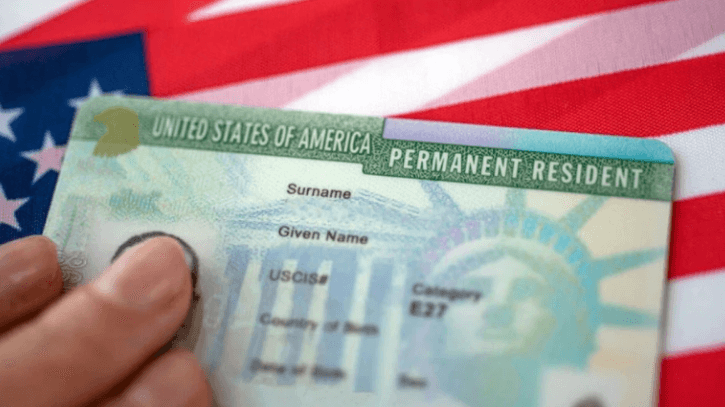
Arrive prepared: Bring all requested documents, your green card, state ID, and passport. Organize documents for easy access.
Dress appropriately: Business casual attire demonstrates respect for the process.
Answer honestly: All statements are made under oath. Lying has serious consequences including denial and potential criminal charges.
Listen carefully: Make sure you understand questions before answering. Ask for clarification if needed.
Stay focused: Answer the question asked without volunteering extra information that might raise new questions.
Be polite: Treat the officer respectfully. The interview is a formal government proceeding.
What Documents Should You Bring?
Appointment notice
Permanent resident card (green card)
State-issued ID or driver's license
Valid passport and all expired passports
Travel records if you traveled extensively
Tax returns if requested
Marriage and divorce records if applicable
Any documents specifically requested in your notice